



Connecticut parents and students are gearing up for a new school year, and this fall brings a welcome addition to classrooms in the state and in many others nationwide. Personal finance courses, long an afterthought in the classroom, are now a graduation requirement or legislated for implementation in 30 states, including Connecticut (starting with 2027 graduates under S.B. 1165).
This is good news if done well, but a crucial component is often missing from or mistaught in these courses: taxes. You wouldn’t hand a 16-year-old the keys to a car and expect them to know how to drive. We shouldn’t expect the next generation to fully grasp financial literacy without a basic understanding of taxes either.
Right now, most Americans don’t understand how the tax code works. According to a poll conducted by TaxEDU, a majority of respondents do not have a basic understanding of common tax concepts. Sixty-four percent of respondents couldn’t correctly identify the difference between a credit and a deduction. Fifty-two percent were unaware of how tax brackets work. Most believed that a bigger tax refund was a good thing.
These misunderstandings aren’t just filing-season headaches. They create real financial consequences across a person’s entire career, overall financial planning, and major life decisions, like moving to a new city or starting a family. Scroll any social media feed, and you’ll read story after story of people turning down promotions out of fear that they’d lose more of their paycheck by entering a higher tax bracket. When we’re not teaching people the basics of when and how we’re taxed, it lets fear do the decision-making at the cost of advancement and opportunity.
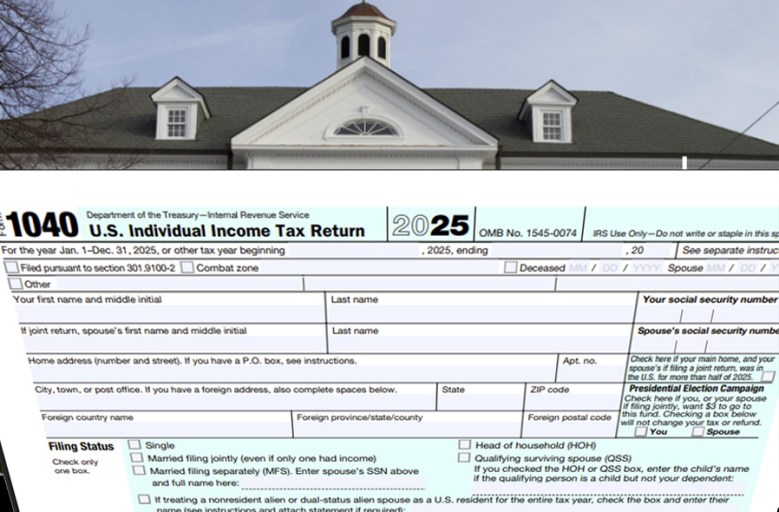
Even when tax is taught alongside personal finance, the lessons tend to start and end with sitting students down with a pencil and a W-2, skipping to step 20 without even identifying the basics of what taxes are and how they work. That’s like handing your teenager a screwdriver and asking them to build a transmission.
Financial literacy cannot exist without tax literacy. Taxes touch your paychecks and your Amazon purchases. Taxes play a role in the roads you drive on, the schools you learn at, and in your savings for college, a mortgage, and retirement. Their impacts range from inconsequential to substantial, but either way, they’re real.
And just like every financial decision you make has trade-offs, so does every tax —and it goes far beyond filing. Students with blue-collar parents have probably heard about the no-tax-on-overtime provision that was signed into law last year. But do they know that this exemption expires in three years? Or that its price tag is adding to the national debt?
Or consider students in one of the nearly dozen states that have tried to repeal property taxes this year. Do they know that zeroing out the property tax in a place like Florida could lead to sales taxes rising up to 20 percent just to fill the revenue gap? Or that rural counties would have to increase taxes higher than cities without property taxes in place?
Taxes and the policy decisions that drive them don’t happen in a vacuum, and how we teach taxes to the next generation shouldn’t start and end with what happens on April 15.
We need to shift the focus, to help students and teachers alike understand how our government is financed and what role we play as taxpayers in that system. States like Connecticut deserve kudos for finally prioritizing financial literacy. But before students can drive off into the sunset of being financially sound, they need to understand the nuts and bolts of the taxes that influence almost every financial decision they’ll make.
Zoe Callaway is Vice President of Education at the Tax Foundation.