



Every week, Patty, 78, walks through the doors of Neighbor to Neighbor for groceries. She isn’t there because of an emergency. She comes to the pantry because the math no longer adds up. “Money got a little bit tighter as the years went on,” Patty says.
Patty is a senior living alone in Greenwich, one of the wealthiest communities in the United States. She spent her working years here, built her life here, and planned to retire here. What she did not plan for was Social Security that would fail to keep pace with rising rents, utility bills that climb year after year, and a water supply in her building so unreliable that she and her neighbors haul in their own. By the time the bills are paid, there is little left for food. Patty says, “Seniors get forgotten — and the added costs, they just throw them through without realizing we’re living on Social Security.”
Patty’s story may surprise you. Not because it is unusual — but because it is happening here, in one of the most prosperous communities in the country. Across the country, 48 million Americans face food insecurity, including one in five children. And hunger does not discriminate by Zip code. It exists in rural towns, urban neighborhoods, and in our own backyard.
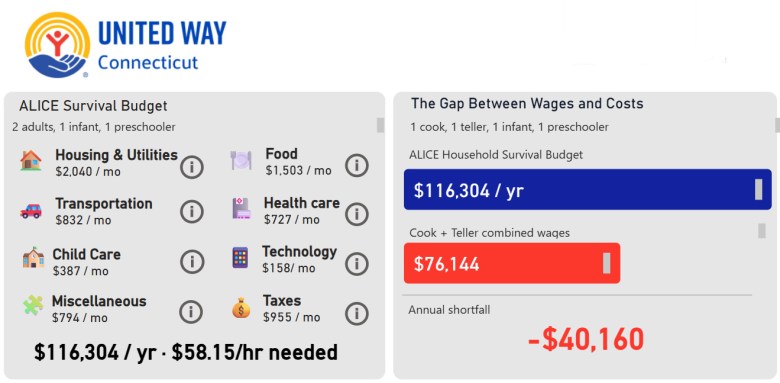
Here in Greenwich, 27% of residents can’t afford the basics, including food, housing, child care, and transportation, according to United for ALICE. And that number is climbing. Over the past year alone, Neighbor to Neighbor has seen a 14% increase in clients, driven by rising food and gas costs and federal cuts to SNAP benefits that have left thousands of families across Fairfield County with a widening gap in their monthly budgets. As Greenwich’s only food pantry, Neighbor to Neighbor is on the front lines of meeting this need.
Greenwich United Way’s Needs Assessment shows that Connecticut now ranks as the most food-insecure state in New England and second in the entire Northeast, with 14.3% of residents facing food insecurity. Statewide, food price inflation has risen 3.6%, while the number of Connecticut residents receiving SNAP has declined by 11%. That’s 41,845 fewer recipients in December than in January alone. Fifty-seven percent of food-insecure individuals in Connecticut are estimated to live in households below the SNAP eligibility threshold, with one in six Connecticut children experiencing food insecurity.
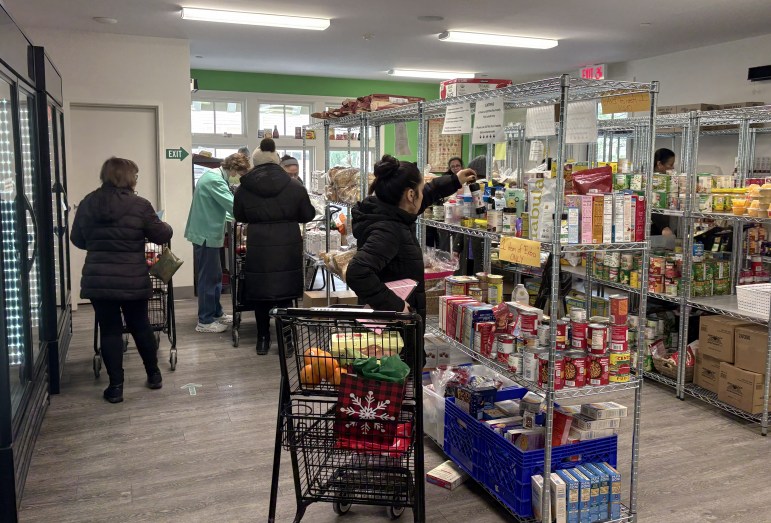
Neighbor to Neighbor has served Greenwich for more than 50 years, and we have never seen demand grow as fast as it is now. To meet the moment, we are redoubling our efforts to serve our neighbors. Over the past year, we have expanded our community garden program, grown our volunteer corps, partnered with the PTA to support the Care Closet at Greenwich High School, and distributed 33,750 meals to families with children who lose access to school meals during the summer. This holiday season, we will distribute 600 complete Thanksgiving meals to families across Greenwich.
We have always believed we are stronger together, which is why we are deepening our commitment to working with our partners across town to meet this moment, as rising prices and SNAP cuts will ripple through all of our organizations and the communities we serve.
This September, during Hunger Action Month, we are asking you to stand with us and donate to Neighbor to Neighbor’s virtual food drive. Every dollar donated goes directly toward feeding the 900+ households that rely on Neighbor — including clients like Patty, who are one unexpected bill away from going without.
The need is real, it is local, it is growing — and this is the moment to act. Donate now, spread the word, and learn more about how to get involved: ntngreenwich.org/hungeractionmonth
Sonya Keshwani is Public Affairs Manager at Neighbor to Neighbor