



Imagine someone finds a wallet on the sidewalk and returns it to its owner. Now, imagine they know a camera is recording what they do. In both scenarios, the outcome is the same. The wallet is returned. But what we learn about the person who returned it is quite different.
In the first case, their actions tell us something about their character. In the second, we cannot distinguish whether they acted out of concern for a stranger or because they knew that their actions could be traced back to them. This example raises an important point about society today. While surveillance can make people more likely to cooperate, it also allows us to secure that cooperation without actually having to trust one another.
Social scientists have spent decades studying the relationship between cooperation and trust in society. Findings reveal a distinction between getting people to behave cooperatively and getting people to trust one another. In a study published in Management Science, participants behaved more cooperatively when they anticipated monitoring, but acted more selfishly when they expected that their actions would go unobserved.
Importantly though, others often mistook someone’s strategic compliance for genuine trustworthiness. Other research published in the Journal of Experimental Social Psychology found that punishment systems could encourage cooperation while making people less likely to believe others would have cooperated on their own. Another study involving more than 4,000 participants across four countries found that monitoring not only affected trust, but could change how people understood their relationships. When monitoring was introduced, relationships based on mutual care began to feel more like transactions.
Taken together, these studies suggest that surveillance is not socially neutral. It can change how we interpret one another’s actions and what we come to expect from our relationships. That matters because cooperation is about much more than following rules. Think about everything a functioning community depends on that cannot be compelled or reliably monitored, such as volunteering, extending the benefit of the doubt, or working together when no one is required to do so. These are not small things. They are part of the infrastructure of community life.
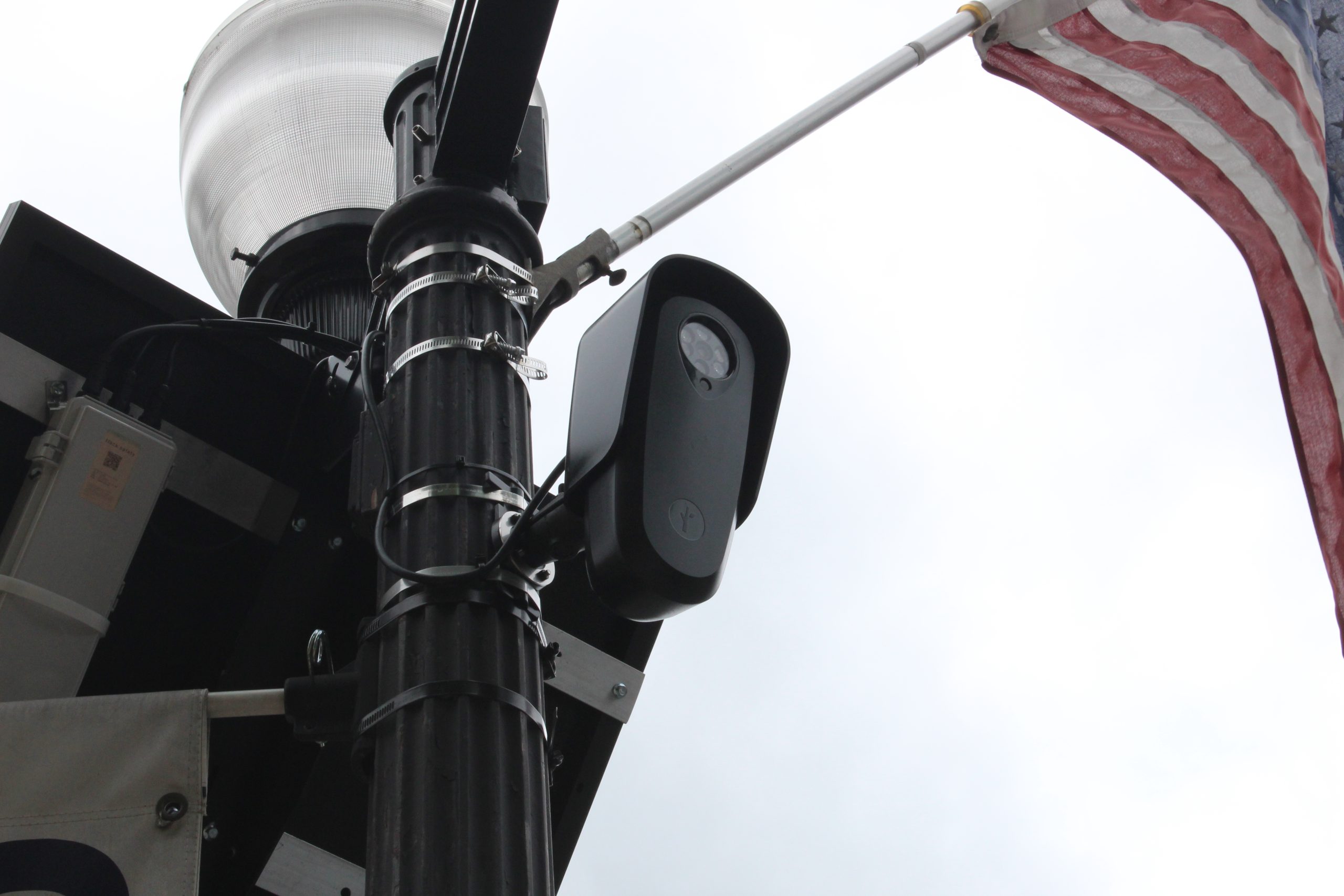
These ideas are especially relevant to the ongoing debate over automated license plate readers in Connecticut’s cities and towns. Police officials have defended the technology as valuable for criminal investigations. But, whether a technology helps investigators solve specific crimes is not the same question as whether its widespread use is appropriate for a community. Automated license plate readers collect information about vehicles passing through public spaces, regardless of whether their occupants are suspected of wrongdoing. That is a consequential change in the relationship between people and their government. We should ask more than whether cameras help police. We should ask what the public gives up when we use them.
Routine surveillance of Connecticut residents should not become a permanent feature of civic life. At its heart, this debate goes far beyond one company’s cameras or one town’s contract and raises the bigger question of what kind of society we want to live in. Is it one that functions because everyone knows that they are being watched? Or one in which people have the freedom to demonstrate to one another that they can be trusted? Public safety is not just about catching people who do wrong. It also depends on people who choose to do right even when no one is watching.
Jennifer McLeer is a sociological social psychologist and assistant professor of psychology at the University of Hartford.