


I couldn’t believe what I was hearing when Donald Trump started saying that Haitian immigrants in Ohio were eating people’s dogs.
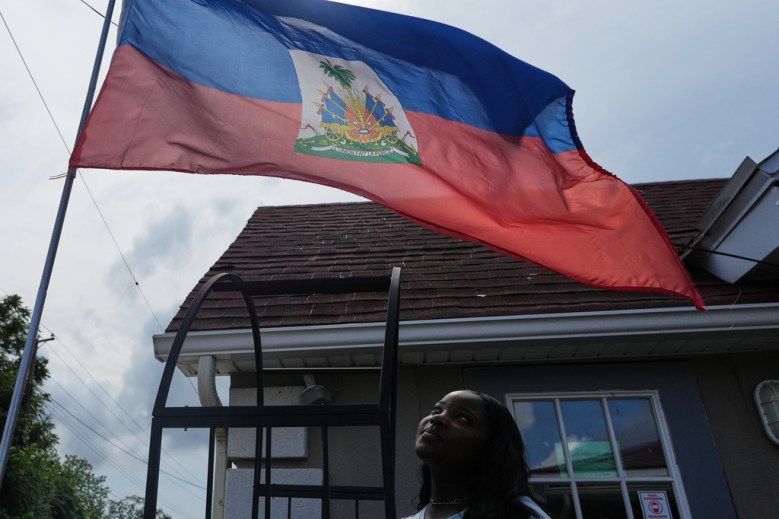
I’m Haitian. Growing up, I had storytellers at holiday celebrations, Creole spoken during meals, and really loud family debates mixed with even louder love and hugs. Because of all this, I don’t want to get involved in this topic, but it’s about my family, and that makes it personal.
I’m 21. Not many people my age know anything about deportation to Haiti. Every day, our feeds are filled with memes, music videos, and trends, but stories about Haitian families being deported rarely get the same attention. But this is happening right now, and more young people should understand what is at stake.
Here is what happened: after the disaster of the 2010 earthquake in Haiti that killed more than 220,000 people, the United States granted Haitians Temporary Protected Status, or TPS. The idea was simple. Haitians could legally live and work in the United States while conditions in Haiti improved, since the country was not stable enough for people to be safely sent back.
The Trump administration decided to stop TPS for over 500,000 Haitians this summer, the Supreme Court agreed, and the protection ended in late July.
Because gangs control roughly 70% or more of Port-au-Prince and surrounding regions, the first deportation flight from the United States following the end of TPS carried over 160 people and touched down in Cap-Haïtien instead of the capital city. Everyone agrees that truly dangerous people shouldn’t get special treatment, yet only some passengers on that flight had past criminal records. That same flight also transported former TPS holders.
Meanwhile, the U.S. State Department continues warning American citizens to avoid traveling to Haiti. If the government itself says Haiti is too risky for Americans to visit, why would it be acceptable to send Haitian families there?
When questioned about it, the Department of Homeland Security stated that it was “closing time,” which meant that Haitians were not required to return home but were not permitted to remain. These are families we are talking about. Whether you agree with strict immigration laws or disagree with them, this is the important part.
Haiti is not a safe country right now. This information comes from the United Nations, not just from what my family says. About 12 million people live in Haiti, but gang violence has made roughly 1.5 million of them leave their homes. That’s over 10% of the whole population. According to the UN, more than 3,100 people were killed between January and June of this year, 2026. In August, an attack by gangs near the capital killed 47 people, and five of them were children.
Following the TPS decision, about 75 Haitians have been held in detention in Ohio, and five Springfield, Ohio, residents were sent back to Haiti by early October. Springfield has somewhere between 12,000 and 20,000 Haitians living there, and close to 1,000 American-born children have Haitian parents. I want you to picture yourself as a kid born in America. The big U.S. shouldn’t have to worry about anything —”Land of the Free”—and being scared that your parents might not be waiting for you when you walk out of school.
My uncle lives in Canada right now. Different countries have different laws, so I didn’t think it affected us. But then my dad started having really quiet, serious phone calls with him. This was happening when news started coming out about people from Haiti being deported from the United States. Most people would think that Canada would be a safe backup plan. But it’s way more complicated than that. My family and others like us feel thankful that Canada isn’t sending people back to Haiti right now because of all the serious problems happening there currently. The problem is that rules that exist today could totally change next week, in the same way that TPS did.
Back in 2024, Donald Trump said that Haitian immigrants were eating people’s pets. This claim wasn’t true. But it kept spreading anyway. When false stories like this spread through the world, they turn real people into something to laugh at. When a country starts calling people “aliens” instead of “neighbors,” or “humans,” it makes it easier to kick them out of the U.S. This shows how words can actually become real policies, especially in the world we live in today.
Haiti gets treated the same way. People only talk about it when something really bad happens. Nobody ever mentions that Haiti was the first Black republic in the world or talks about how proud, funny, hardworking, and loyal Haitian people are. We are more than just our worst moments. This isn’t just about Haiti. People from 17 different countries have TPS protections. If one group can lose their protections really fast, then another group could lose theirs too. When we don’t speak up for the first group, it becomes easier for people to ignore other communities as well.
I’m not saying nations can’t keep their laws in place. I’m saying that sending people to a place the UN says is facing a major humanitarian problem is totally different from just enforcing the laws. UN Secretary-General António Guterres went to Haiti and said it perfectly himself: “The saddest thing is when nobody cares, when the world looks away and ignores things for way too long.”
What can you really do to help solve this problem? Sure, most of us aren’t the ones making immigration rules and policies. Still, you have the power to educate yourself before jumping to conclusions because of the media. Instead of just reading about Haitian people, try reading stories that Haitian writers have actually written themselves. Try meeting your Haitian neighbors. Even if it makes you uncomfortable, have conversations about this with the people you care about. Look into organizations in your area that support immigrant families, like Springfield’s Haitian Community Help and Support Center.
Also, if you’re able to vote or know someone who can, keep in mind that these issues come up during elections.
My uncle, the Springfield families, and the children who might return home to an empty house are not helped by silence. You are aware now. Don’t turn away, please.
Jamar Medor is a junior at Mitchell College, majoring in criminal justice.