

Connecticut elected officials are pushing back on a Trump administration proposal to overhaul how the U.S. counts residents for the 2030 census.
The proposed U.S. Census Bureau rule changes would exclude certain undocumented immigrants—and even some legal immigrants. And they’d stop collecting demographic statistics on race, ethnicity and sexual orientation.
The changes won’t benefit Connecticut, said Governor Ned Lamont said Friday.
Lamont said the Trump administration seems to be trying to reduce federal allocations to states like Connecticut.
“It’s just a game where they are trying to move people and resources artificially from blue states to red states. That’s why we have to stand up, and say no to that,” Lamont said.
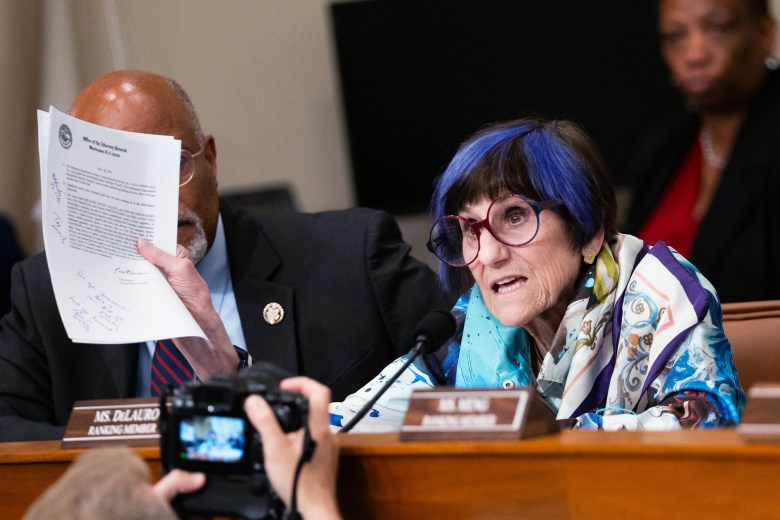
She’s prepared to use her position to keep the proposal from being implemented, said U.S. Representative Rosa DeLauro, who is set to chair the House Appropriations Committee in the next Congress.
“I am going to continue to work to make sure that every person is counted. Every community is counted and that every person is represented. And every state receives the resources that it needs,” DeLauro said.
The proposed changes could undercount up to 250,000 people in Connecticut, according to Lt. Gov. Susan Byziewicz, who heads the state’s census committee.
“That is a potentially significant loss of federal funding and it severely undercounts the number of people in our state,” Byziewicz said.
Connecticut joined a coalition of 24 states that submitted comments to the Census Bureau opposing the changes before the comment period ended earlier this month.
The bureau could finalize the new rules by the first quarter of next year.