
This story is part of CT Mirror Explains, an ongoing effort to distill our wide-ranging reporting into a "what you need to know" format and provide practical information to our readers.
President Donald Trump’s “One Big Beautiful Bill Act” — also known as House Resolution 1, or H.R. 1 — includes major changes to the federal Medicaid program that are set to take effect on Jan. 1.
Medicaid is the government health insurance program for people whose incomes fall below certain limits. The program is known as “HUSKY” in Connecticut.
The changes apply to residents enrolled in HUSKY D, the Medicaid program for adults without children.
On Friday, the Centers for Medicare & Medicaid Services announced it would provide states the option of implementing a ‘hold harmless’ period through June 20, 2027. The decision is meant to give states more time to implement the changes.
Here’s what you need to know.
What are the changes?
Beginning Jan. 1, HUSKY D enrollees will be required to meet work requirements, also being referred to as “community engagement requirements.” They will also have to prove their Medicaid eligibility every six months, up from every 12 months today.
To keep coverage, HUSKY D enrollees will have to prove they work at least 80 hours or earn a minimum of $580 per month. The requirement can also be fulfilled by demonstrating at least 80 hours of monthly participation in school, community service or a qualified training program.
Several exemptions exist, including, but not limited to, people who are:
- Already meeting work requirements for SNAP
- Parents, guardians and caregivers of a dependent child under 14 or an individual with a disability
- Enrolled in drug or alcohol treatment or a rehabilitation program
- Pregnant or postpartum
- Veterans with a total disability
Enrollees have to comply with the changes as of their first renewal in 2027. For example, a HUSKY D member due for their first renewal in February 2027 would have to begin demonstrating compliance that month and then would be due for their next renewal six months later, in August 2027.
Those states that implement the hold harmless period will still have to “assess whether individuals meet the work requirement or are excluded from it, but they will not deny applications or disenroll otherwise eligible individuals solely for failure to meet the requirement,” according to the Centers for Medicare & Medicaid Services’s press release.
One change to Medicaid already took effect Oct. 1. The program no longer covers several groups of lawfully present immigrants, including refugees, asylees and victims of human trafficking. An estimated 3,200 residents lost HUSKY as a result.
Will the changes affect me?
The new requirements only apply to people with HUSKY D, not those with HUSKY A, B or C. The state has created medicaidmattersct.org, a resource to help people navigate the changes. The site includes a questionnaire so people can figure out if the HUSKY changes apply to them.
[RELATED: Hartford coalition will help residents navigate Medicaid changes]
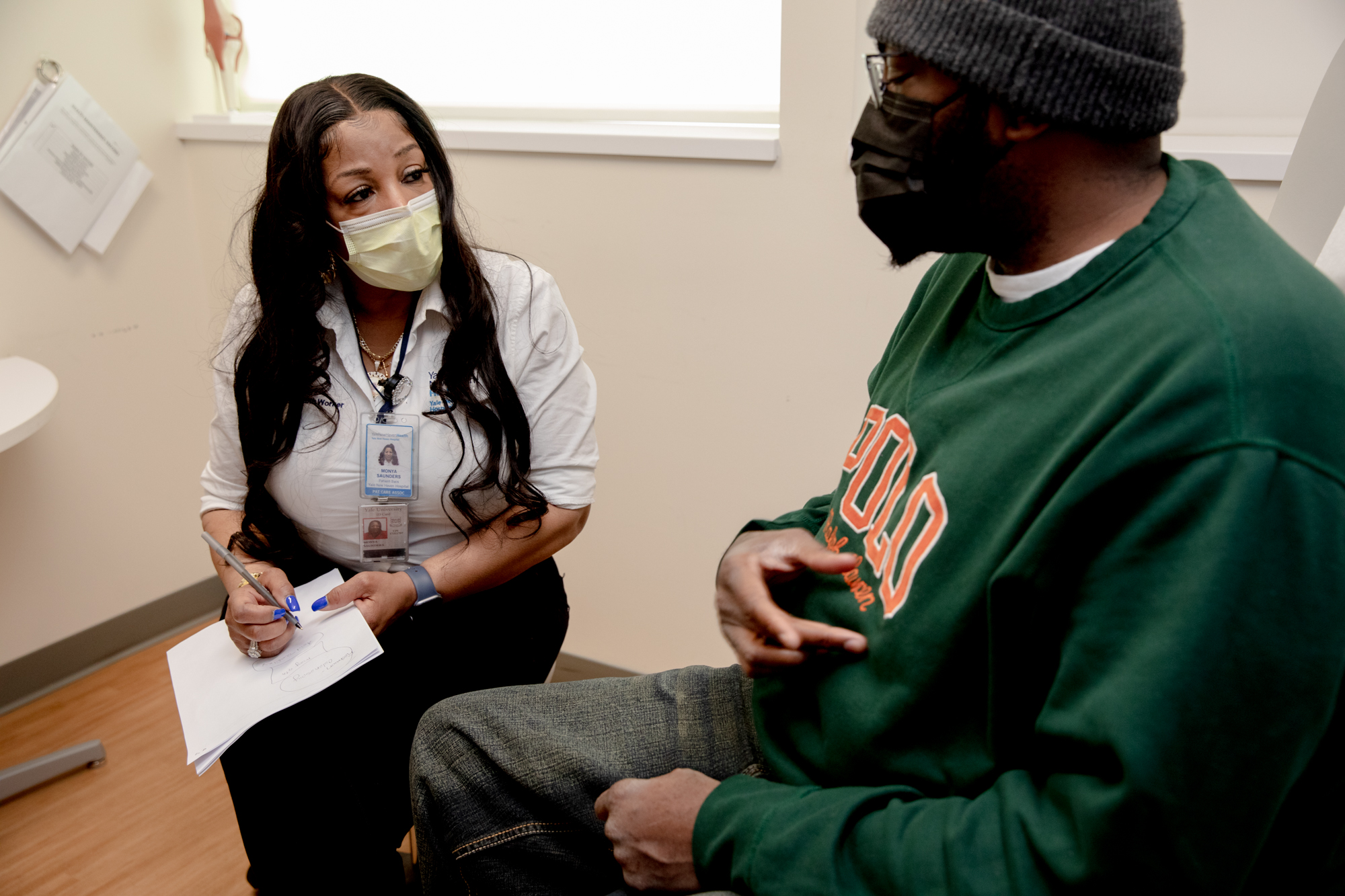
People looking for one-on-one support can reach out to their local Community Action Agency, where you can meet with a trained staff member or Community Health Worker Navigator. They will review your individual case and advise you on whether the changes apply to you and how to navigate them. You can find your local Community Action Agency here.
Could the midterm election results reverse these new policies?
Democrats won majorities in both the House and the Senate during the most recent midterm elections. Many of the candidates who won their races campaigned on reversing some of Trump’s healthcare policies, including the Medicaid changes.
But even with Democratic majorities in both chambers, Trump still has the power to veto any proposal to reverse the Medicaid changes. Overriding his veto would require getting Republicans on board. Or Democrats could opt to negotiate a deal with Trump, if he’s open to it.
State Comptroller Sean Scanlon said state officials hope Democrats will be able to get something done, but their success likely depends on Trump’s willingness to negotiate.
“We’re really hoping that that is something that they get done in the first couple weeks of a new Congress,” Scanlon said. “Of course, the president is still the president. What his appetite is to do deals with the Democrats and resolve some of these things is really unclear and I don’t think anybody knows at this point.”
After Friday’s announcement about the hold harmless period, Sen. Matt Lesser, D-Middletown, said he hoped the change “provides an indication that Donald Trump is hearing the American people and will join Congressional Democrats in completely repealing his Big Awful Bill. If not, they should compel him to do so.”