


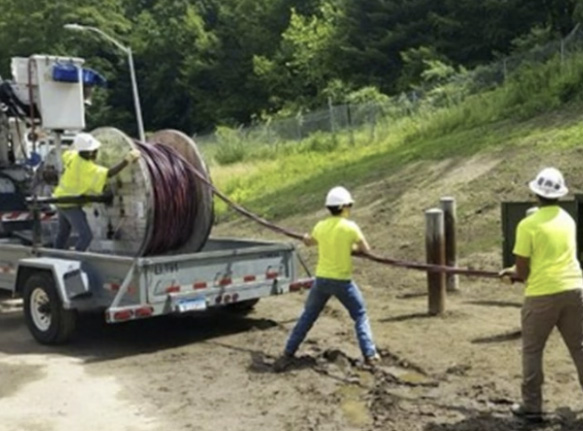
The men and women I represent at United Steelworkers Local 12000 work every day on Southern Connecticut Gas’s natural gas system, maintaining pipes, responding when problems arise and performing the work necessary to keep energy flowing safely and reliably to Connecticut homes and businesses.
That gives our members a practical perspective on energy regulation. Decisions made in hearing rooms and regulatory proceedings can seem far removed from the field, but over time they shape the work our crews can plan, the infrastructure they maintain and the ability of the system to serve customers and communities.
Under the previous leadership of PURA, one approach to limiting pressure on customer bills was to restrict or defer costs, including investments in the system. While that may have provided some near-term relief, it could not defer the physical needs of the system itself. Infrastructure continued to age, maintenance and replacement work remained necessary, and employees still had to keep the system operating safely and reliably. Deferring that work did not eliminate the need; it allowed projects to accumulate, making future planning more difficult and increasing the risk that routine infrastructure needs become larger, more complex challenges over time.
The new leadership at PURA inherited many of the challenges created by that approach. The current commissioners did not make those decisions, and they should not be asked to defend them. But they now have an opportunity to learn from that experience and establish a more predictable approach to the investments required to maintain the system over the long term.
Our members understand why that matters. Maintaining a gas system safely requires more than responding to the needs we can see today. Utilities and their workers need to look ahead, identify infrastructure that will need attention, anticipate where additional capacity may be required and build the skilled workforce necessary to perform that work.
When there is not a predictable approach to forward capital investment, that planning becomes much harder. Projects can be delayed or reprioritized, workforce needs become more difficult to anticipate, and decisions about hiring, training and developing the next generation of skilled workers become more uncertain. This is specialized work, and an experienced workforce cannot be created overnight. Maintaining those skills requires a steady and responsible pipeline of work.
The consequences also reach the infrastructure itself. Deferring maintenance or replacement does not stop pipes from aging or equipment from requiring attention. Instead, work that can be planned and performed methodically today can become more difficult to manage later. Our members would rather address infrastructure needs at a steady, responsible pace than continually push work forward until the need becomes more urgent.
That same need to plan ahead applies to the communities we serve. Across Connecticut, communities are looking to add housing, support local businesses and attract new employers and skilled workers. Reliable energy infrastructure is one part of the foundation needed to support that growth.
When parts of the gas system become constrained, the implications can extend beyond the utility. Limited capacity can make it more difficult to connect new customers, accommodate business expansion or support development in communities that are trying to grow. Planning ahead can help address emerging constraints before infrastructure becomes an obstacle to those opportunities.
That is why the distinction between the previous PURA and the PURA Connecticut has today matters so much. The lesson from the past is not that regulators should approve every investment a utility proposes. Regulators should scrutinize spending, demand accountability and make sure customers receive value for what they pay. But scrutiny and predictability can coexist.
A strong regulatory system can protect customers while providing enough visibility for utilities to plan necessary work, for employees to develop and maintain specialized skills, and for communities to know that infrastructure will be capable of supporting their future needs.
Connecticut cannot undo the regulatory decisions that brought us here, and the current commissioners should not be blamed for circumstances they inherited. What the new PURA can do is take a different approach going forward, one that recognizes that delaying investment does not delay the needs of the system.
For our members, that is ultimately what this debate is about. A more predictable approach to forward investment allows necessary work to proceed at a responsible pace, supports the skilled workforce needed to perform it and helps prevent infrastructure constraints from becoming larger challenges for customers and communities.
The new PURA inherited a difficult situation. It also inherited an opportunity to build something better: a regulatory approach that protects affordability while providing the consistency needed to maintain a safe, reliable system and support Connecticut communities for years to come.
Marcelo Assis is President of the United Steelworkers Local 12000 & 12000-1.