


Somewhere in Connecticut today, a person will check “yes” on a job application that asks about past convictions. They will be wrong, and they won’t know it, because the state erased that conviction and never told them.
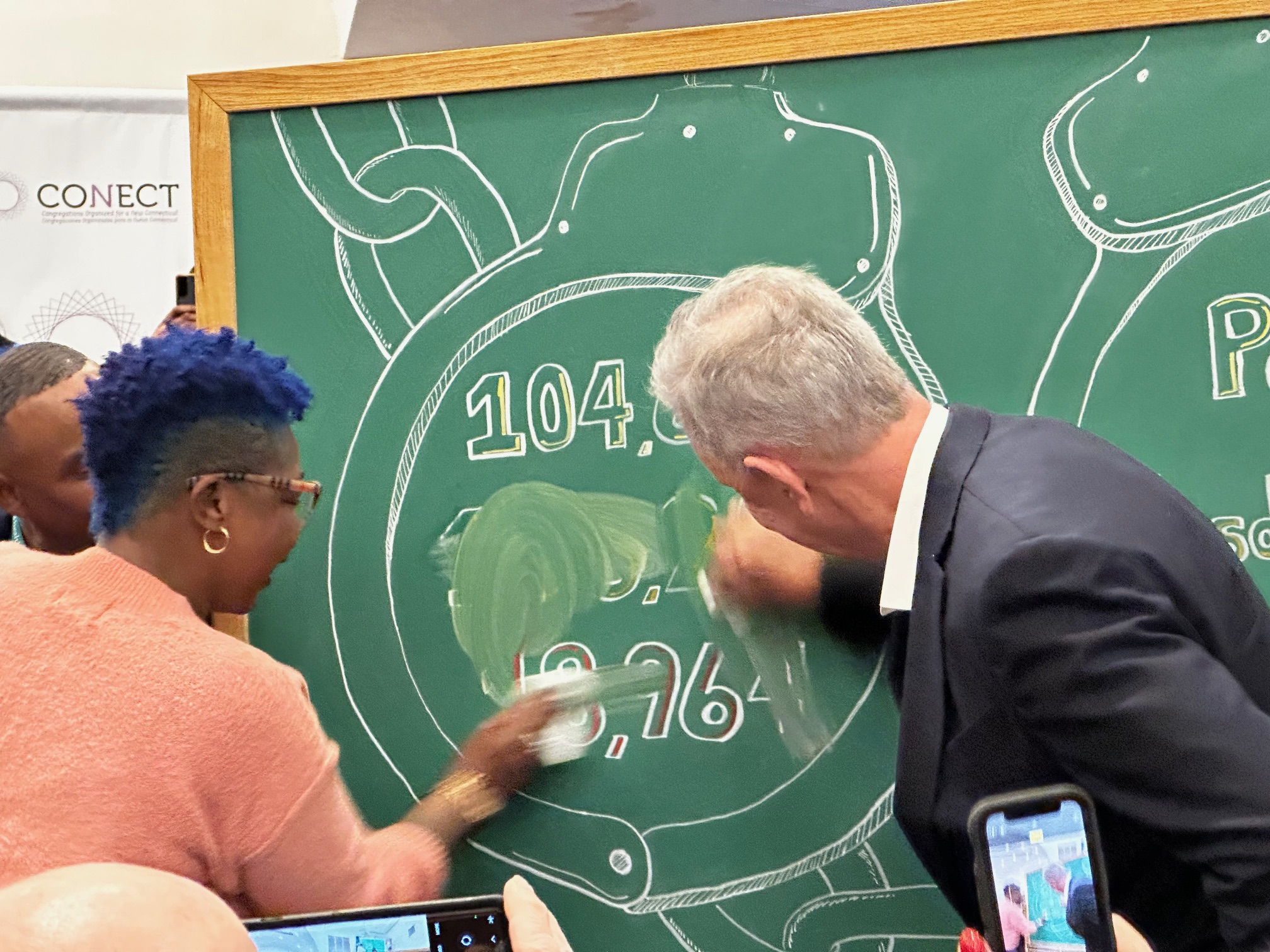
Connecticut’s Clean Slate law, signed in 2021, automatically erases most misdemeanors after seven years and lower-level felonies after ten, once a person has finished the sentence and stayed out of trouble. After years of delay, the state says it has caught up. As of July, all 170,000 eligible people have had their records erased, covering nearly 350,000 cases. New erasures now happen on a rolling basis as people become eligible.
That is a real achievement. Erasures were supposed to begin in early 2023, but as of April 2025 only about 13,000 people had been cleared. The state’s public safety commissioner once called the project likely the most complex IT project Connecticut has ever taken on. The Department of Emergency Services and Public Protection finished it, and it deserves credit.
But a law that clears your record without telling you is only half done.
Connecticut has no system to notify people that their convictions were erased. In March, state officials said they were still working out how to reach the people they had cleared. In July, the department said it hoped to launch a free online portal by the end of this year. That deadline is now about five weeks away.
The cost of the gap is easy to predict. People who qualify keep disclosing convictions they no longer have to. They pass on jobs that require a background check. They assume an old case still blocks them from an apartment or a license, and they never apply. Erasure only helps the people who know about it.
Until the state fills that gap, here is what anyone who thinks they might qualify should know.
The rules. Misdemeanors are eligible seven years after your most recent conviction. Class D and E felonies, unclassified felonies with a possible sentence under five years, and drunk-driving convictions are eligible after ten. You must have finished every part of every sentence, including probation and parole, with no new conviction during the waiting period.
The exceptions. Family violence offenses, sex offenses and a list of other crimes, including several assault and weapons charges, are never erased under Clean Slate. A drunk-driving conviction followed by another within ten years doesn’t qualify. Offenses committed before 2000 are not erased automatically; you have to petition the court.
How to check. You can search your name in the Judicial Branch’s online criminal case lookup, or request your criminal history from the State Police Bureau of Identification. If a conviction from 2000 or later should have been erased and still appears, the state’s Clean Slate website explains how to ask the department for a hearing.
What erasure means. An erased record isn’t destroyed, but it is sealed, and Connecticut law treats the person as never having been arrested on that charge. They may say so under oath. Employers may not require anyone to disclose an erased record, and any job application that asks about criminal history must say so in plain terms.
None of this should depend on people stumbling onto an op-ed or hiring a lawyer. The state already knows exactly whose records it erased. Officials have said Connecticut’s notice problem is similar to other states’, and that is fair. But after finishing one of the hardest technology projects in state history, a letter is the easy part.
So, two asks. First, launch the free portal by year’s end, as promised, and build it so a person can use it on a phone without a lawyer. Second, starting in 2027, send a plain-English letter to every person whose record is erased, saying what was cleared and what it means for them.
The legislature did its part in 2021. The department did the hard part this year. Telling people is the last step, and the cheapest one.
Nate Baber of Vernon is a Connecticut attorney. He writes plain-English guides to the state’s criminal courts at ChargedCT.com.