


The legislature should enact Senate Bill 1153 to protect our state’s public university faculty from people who, for personal or ideological motives, use the state’s freedom of information (FOI) law as a weapon to harass faculty and disrupt their research and teaching.
FOI harassment of faculty is real and often terrifying.
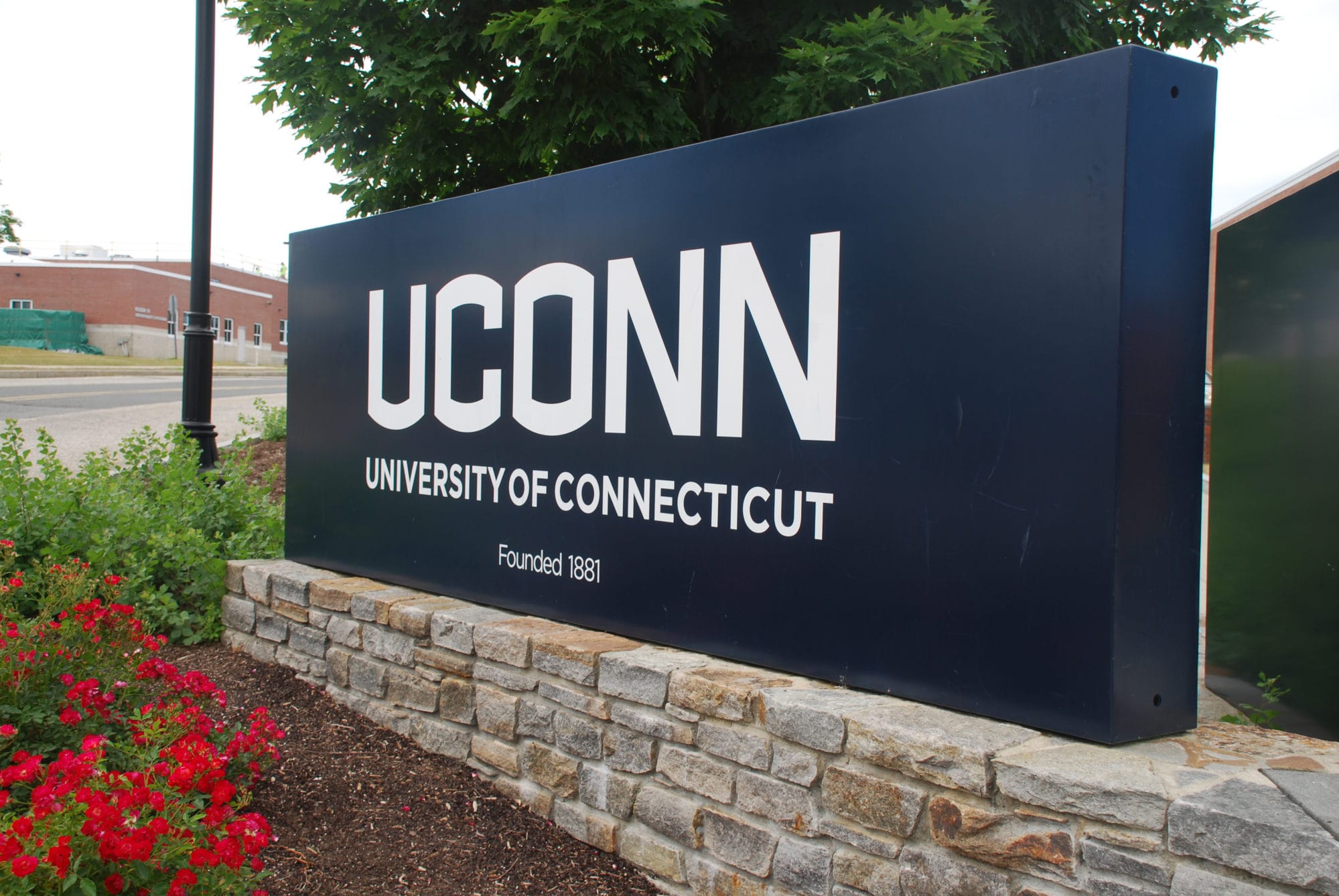
In one case, a University of Connecticut historian has faced multiple harassing FOI requests from an ideologically biased individual who is attempting to thwart her internationally recognized research on the Japanese military sexual enslavement of women and girls in the 1930s and 1940s. In another case, following hundreds of threatening emails, the harasser sent multiple FOI requests, over and over, to a UConn math professor targeting his emails and his other records.
This was never the policy goal of the FOI law, which applies to public records of a “public agency” or its “functional equivalent.” Individual university faculty members are neither when they research and teach.
But simply because they use the university’s email system or other information technology to do their academic research, harassers now file FOI requests for their emails, notes, and other materials that live on the university’s servers. As a result, faculty find it harder to do their job well and reduce FOI harassment risk faced by not only them but also their research teams, study participants, and non-university partners in public-private research collaborations. This makes Connecticut’s public universities less able to compete for high-quality talent, as many other states already exempt faculty research and teaching records from their FOI statutes, including Rhode Island, Maryland, Virginia — even New Jersey, which did this decades ago.
Senate Bill 1153 closes that gap by exempting from our FOI law records related to faculty research and teaching. At the same time, it keeps public accountability for research funding intact by preserving the FOI law’s coverage of “any financial records” of the university.
Sadly, recent op-ed writers opposing SB 1153 ignore the ongoing threats of FOI harassment of faculty. Instead, one says that SB 1153 helps “conceal research” so that, for example, a professor’s study findings on racial profiling “would be unavailable to the public.” Another, alleges it would make it harder to detect “waste, fraud, and abuse” of government funds, but ignores SB 1153’s financial-records carve-out. Still another claims that SB 1153 stops “public accountability” and “criticism” of “the ideological hegemony within America’s educational structures.”
These are incoherent word salads. For university faculty, the point is to publish their research for all the world to see. Faculty are judged by how well their published research stands up to criticism by their peers and anyone else and to read those publications all you need is an internet connection or a library card, not a FOI request.
SB 1153 doesn’t change the FOI law’s coverage of university financial records, rather it simply protects faculty from those who use the FOI law as a weapon to harass them for personal or ideological reasons. Surely if New Jersey and the other States can do this for their public university faculty, we can too. Our faculty deserve no less.
Michael Bailey is the Executive Director of the UConn-AAUP/Storrs.