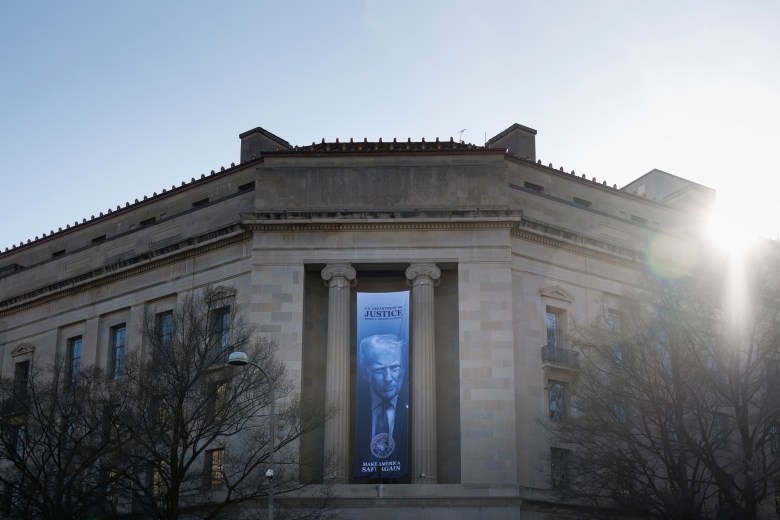
The U.S. Department of Justice on Monday filed a lawsuit against Connecticut over state laws that provide in-state tuition and financial assistance to immigrant students lacking permanent legal status.
In its complaint, the DOJ argued that Connecticut’s laws unfairly give benefits such as lower tuition and scholarships to students without legal status while denying the same benefits to U.S. citizens who live outside the state. The DOJ also argued that the laws violate federal statutes and encourage illegal immigration to the U.S.
“This is a simple matter of federal law: colleges cannot provide benefits to illegal aliens that they do not provide to U.S. citizens,” said Assistant Attorney General Brett A. Shumate of the Justice Department’s Civil Division. “This Department of Justice will not tolerate American students being treated like second-class citizens in their own country.”
In response to the lawsuit, Connecticut Attorney General William Tong, who voted for the in-state tuition law in 2011 as a state legislator, said he would defend the state’s policies.
“Note to Trump — stay out of Connecticut,” Tong said in a statement. “Connecticut offers in-state tuition and financial aid to all eligible Connecticut students because all kids deserve the opportunity to learn, to advance, and to achieve their dreams. Donald Trump doesn’t run UConn or any of our state colleges, and we’re not about to let him start.”
Gov. Lamont also defended the state’s policies, saying in a statement, “kids who grow up in Connecticut and graduate from Connecticut public schools should be able to afford to go to college here, including those who have applied for legal status.”
“We are making Connecticut the land of opportunity and education, and we will not accept his attempts to turn back the clock on progress,” Lamont said.
Connecticut first provided in-state tuition benefits to undocumented students under the 2011 state law, which required them to have attended high school in Connecticut for four years and earned a diploma. The state later reduced the high school attendance requirement to two years in 2015.
In 2018, Connecticut passed another law allowing students without permanent legal status to apply for and receive institutional aid at public colleges and universities.
The lawsuit also challenges other state laws involving financial aid at Connecticut State Community College, Roberta B. Willis need-based grants, and the state’s student loan reimbursement program.
The Trump administration has filed similar lawsuits challenging higher-education benefits in 16 other states.