
The sale of the 66-acre GE campus to the university could be construed as a final poke in the eye to the Malloy administration. As the former owner, GE paid the town of Fairfield $1.6 million a year on taxes, but because Sacred Heart is an educational institution it will pay no taxes to the town on this property.

Craig Hoffman

Posted inCT Viewpoints
What? 30,000 register to vote in Connecticut at the last minute?
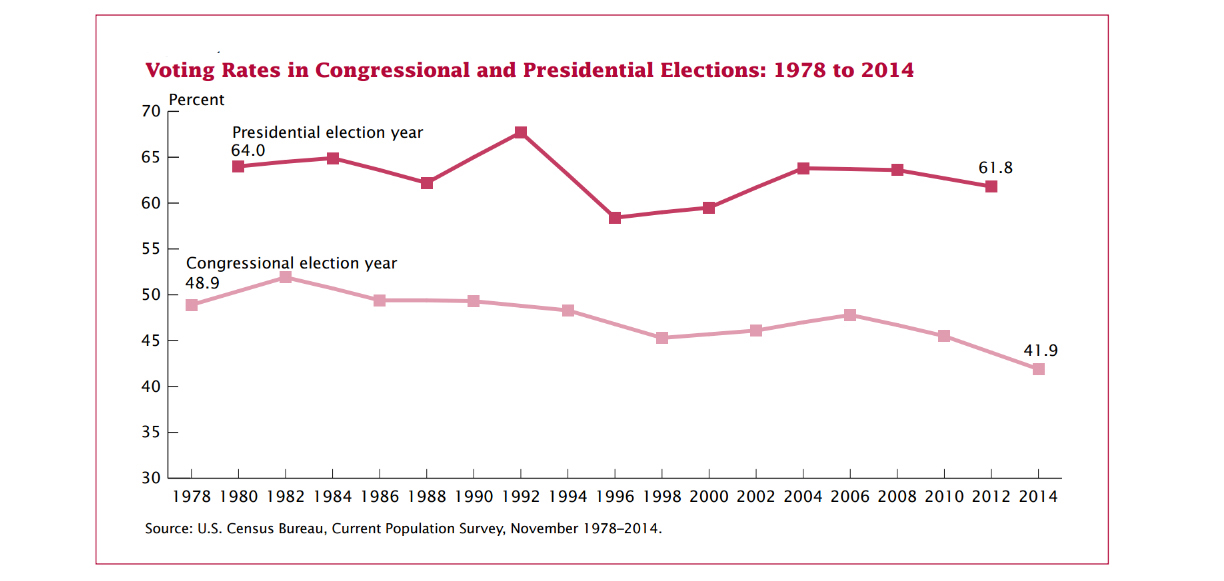
Last Tuesday on the evening news there was a piece about how the voting went in the state that day. Overall, it went well with few problems. However, this was the first presidential election since Connecticut started Election Day Registration and the Secretary of the State’s office said that more than 30,000 people took advantage of that.
What – The – Heck? Thirty thousand people waited until the last minute to register to vote? Are they all brain dead or did they all happen to move into the state the day before?

Posted inCT Viewpoints
A state-owned seaside hotel Connecticut cannot afford
On July 6 the Yankee Institute for Public Policy published an article about the former Seaside Regional Center hospital in Waterford, CT, which closed in 1996. The state legislature and then-Gov. Jodi Rell authorized the sale of the state property to raise money for the 2010 state budget. The property was to be sold to Allied Development Group for $8 million, and they would then turn the property into a seaside hotel and public park, employing about 300 people for construction and operation of the facility.
Posted inCT Viewpoints
Voter registration at the DMV — a train wreck in the making
The state DMV intends to create a system whereby anyone who goes to get a driver’s license or renew one at a DMV office will automatically be registered as a state voter at the same time. The state is responding to a Federal compliance issue, though the s0-called “Motor Voter” law encourages (but does not mandate) voter sign-up at DMV offices. This proposed project seems to me to be a solution in search of a problem, with the final result being a train wreck at the end of the journey for the following reasons:

Posted inCT Viewpoints
Require anger management classes to fight violence
The mass shooting at the Umpqua Community College in Oregon has predictably prompted President Barack Obama and others to call for yet more stringent gun control laws “to prevent this from ever happening again.” Never mind that criminals, by definition, do not obey existing laws, and it will happen again. I would venture that no […]

Posted inCT Viewpoints
No support here for Malloy’s transit lock-box idea
This is in response to Paul Hughes’ Sept. 22 article in the Waterbury Republican-American about Gov. Dannel Malloy’s request for public support backing a state constitutional amendment creating a lock box on transportation funds. The article quotes Malloy as saying “What’s important now is that the legislature enact a constitutional lock box so that as we move forward in funding that people understand that any dollar that is collected for transportation will be spent on transportation. Nothing else.” Gov. Malloy should think before he speaks, as I find his comment laughable for several reasons.

Posted inCT Viewpoints
Is Gov. Malloy fit to govern?
So Gov. Dannel “Giveaway” Malloy is offering “incentives” to keep General Electric’s 800 corporate employees here. How nice. This is an affront to all the other businesses in the state that have to keep paying high taxes and get no relief at all from the state. And to top it off, the taxes that all the other companies do pay will be used to provide the incentives to keep GE in the state! I’m sure they will be really happy about that.

Posted inCT Viewpoints
Forget mileage taxes; claw back diverted transportation funds
Television and published reports have recently covered the talks going on in Hartford about ways to fund Gov. Dannel Malloy’s $100 billion, 30-year transportation infrastructure plan. These include discussion of a plan to tax motorists according to the number of miles they drive. Before this plan is even considered, I have a radical idea: tally up every nickel that has been diverted from the Transportation Fund over the past 20 years — by BOTH PARTIES — along with what social programs or agencies were the recipient of those diverted funds. Then, every nickel of those diverted funds should be clawed back from their budgets and re-deposited into the Transportation Fund and used for the intended purpose of transportation infrastructure maintenance.