



Insanity can be defined as, “doing the same thing over and over and expecting different results.” Gov. Ned Lamont’s approach to tolls meets this definition, and is fatally flawed.
CT Viewpoints
We welcome informed and responsible commentary about local, state and national public policy from all Connecticut residents and organizations. Submit one here.
Posted inCT Viewpoints
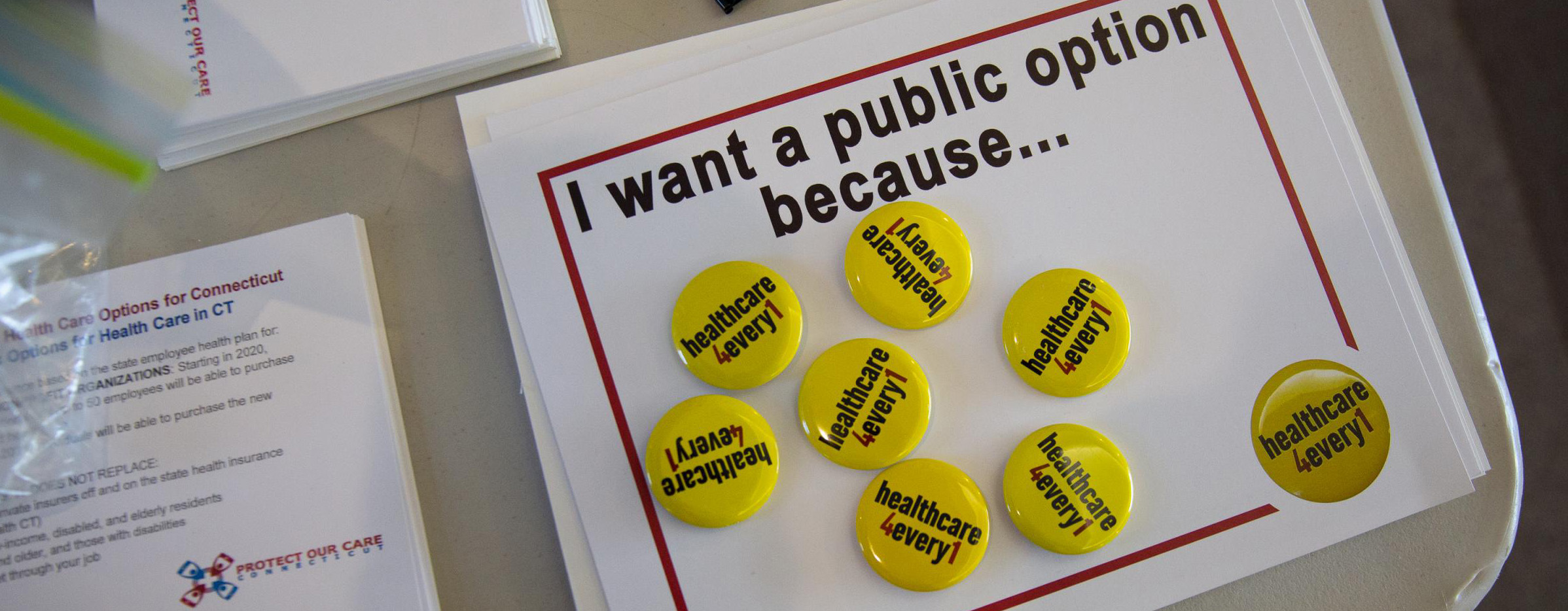
The Connecticut public option idea is good policy
If you’ve been paying attention to Washington, DC, progress on health care has been at a near standstill for the last decade since the passage of the Affordable Care Act. Ideology and politics has made progress on more affordable health care difficult if not impossible. Reasonable people can’t get in the same room and where disagreement exists, demonizing opponents instead of listening is the order of the day. … Which is why the recent proposal in Connecticut over a Connecticut Option is such a breath of fresh air.
Posted inCT Viewpoints
Early voting is more than a convenience
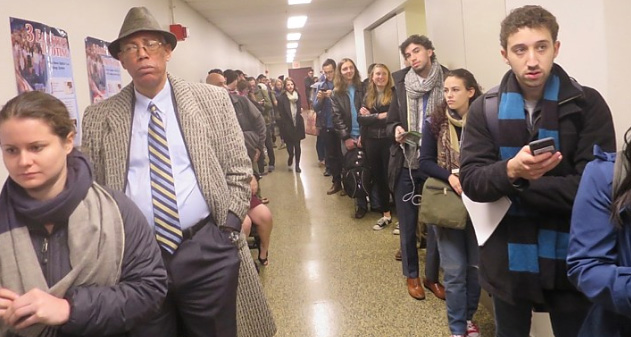
Jack Fresquez, Yale ‘21, left his final class on Nov. 6, 2018, with a mission to vote in the midterm elections. Due to a clerical mix-up, he was forced to same-day register. He took his place around 2:30 p.m. in a line that seemed to grow endlessly as the night went on. “I ended up waiting for over four hours,” he remembers. “On the second floor of City Hall, the line looped around the entire building. And there were two lines: first to fill out the [registration] papers, and then to submit them.” That was before Jack could even vote. While Jack was ultimately able to vote, others did not have the same luxury. For parents, elderly, disabled, or working voters, the wait is especially unfeasible.

Posted inCT Viewpoints
Craft brewers deserve access to affordable health care
Connecticut’s craft beer industry employs hundreds of full-time workers, and to help keep that number growing — without spending a dime — state lawmakers should pass legislation that will give more craft brewery employees access to the affordable health care coverage they deserve.

Posted inCT Viewpoints
It’s time to fix the broken teacher pension system
When he left office in January, Gov. Dannel Malloy could honestly claim that he had reformed and improved virtually every area of Connecticut state government. Except one. He was prevented by obstructionist Republicans from reforming the teachers pension fund. As a result, annual payments to the fund, which now total $1.4 billion, or 7 percent of the budget, could exceed $3 billion by 2032. Governor Lamont has now taken up the challenge of reform, offering a comprehensive solution in his proposed biennial budget.

Posted inCT Viewpoints
Let’s have a full time — and smaller — state legislature
My girlfriend, an educated teacher and longtime resident, can’t believe the Connecticut legislature doesn’t vote on anything for either seven or nine months a year. Every citizen should spend three days of their life at the legislature and witness the dysfunction first hand.

Posted inPolitics
Wall Street, lawyers, insurance and defense top donors to CT lawmakers

But the top donors to Rep. Jahana Hayes’s campaign were fellow Democratic lawmakers.
Posted inCT Viewpoints
Trump vs. Congress and our Constitution
Donald Trump is the most impeachable president in American history. Many Democrats, however, are running away from the word “impeachment” for tactical political reasons. Some Democrats say they have a sworn duty under the Constitution to present articles of impeachment for a vote in the House of Representatives, regardless of the refusal by the Republican-controlled Senate to hold a trial.
Posted inCT Viewpoints
A community college consolidation ‘to-do’ list
Gov. Lamont, here is a list of reasonable demands regarding community college consolidation:
Posted inCT Viewpoints
As rich get richer, poor stay poor, the middle class leaves
The election of Greenwich plutocrat Ned Lamont marks a watershed in Connecticut’s history as he is pursuing policies that ensure that the rich remain in Fairfield County, the poor stay invisible while sequestered in the inner cities, and the middle class heads for the door. Let’s look at what at what he is proposing:

Posted inCT Viewpoints
Which side of history will the Board of Regents choose?

As the plan to consolidate Connecticut’s public colleges moves forward, there is one thing the Board of Regents must do: take some remedial history courses. Their “Students First” scheme (so named without apparent irony) has no intention of canceling student debt or cutting the ever rising costs of college, which have increased over 1,000% since I attended the University of Connecticut. Our state’s history points to a better approach, based on the tradition, purpose, and vision of free and equal education access, promised to all American since the Founders. This approach was known as the Federal College.

Posted inCT Viewpoints
Let’s think critically about pregnancy resource centers
As someone who quite enjoys empowering people to think critically, I have found this quote by Soren Kierkegaard to be ever the more relevant as I consider the absurdly discriminatory and restrictive policies that seek to punish pregnancy resource centers for not providing abortions: “There are two ways to be fooled. One is to believe what isn’t true; the other is to refuse to believe what is true.”
Posted inCT Viewpoints
Giveaways to Millstone won’t guarantee more winter power
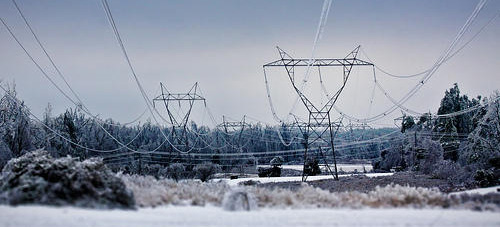
Even though we are about to enter the summer months, ensuring that New England is prepared for the cold months down the road with enough energy reliability is sound energy policy and the role of ISO-New England, the energy grid operator for the region. It is not surprising that ISO recently proposed creating a new compensation mechanism for resources to ensure winter energy security. What is surprising, though, is the way they’ve chosen to do it.

Posted inCT Viewpoints
A false comparison to other states’ tolls
Electronic driving taxes (a.k.a. “tolls”) are a bad idea for numerous reasons. The push for tolls in Connecticut is based on the false premise that a new revenue source is needed. The Special Transportation Fund (STF) needs to be returned to its original purpose of only funding upkeep of our roads and bridges.

Posted inCT Viewpoints
The tax cut that isn’t
Gov. Ned Lamont’s administration has become a master in the art of the “float,” publicizing a suggested new policy and then waiting to see public reaction before taking a firm position. Most of the time Lamont does not take a hard position, but he implies that his proposal is a positive one. It all comes across as being indecisive and, I believe, most of us see it as an abdication of leadership.