


Legislators released a draft proposal of a police accountability bill Thursday that would severely curtail the circumstances when an officer is justified in using deadly force.
The wide-ranging measure, headed for an impending special session, would allow towns to establish civilian review boards that have the power to issue subpoenas; narrow the instances in which a police officer is allowed to use deadly force; and empower an inspector general to investigate, and prosecute, officers’ misuse of deadly force.
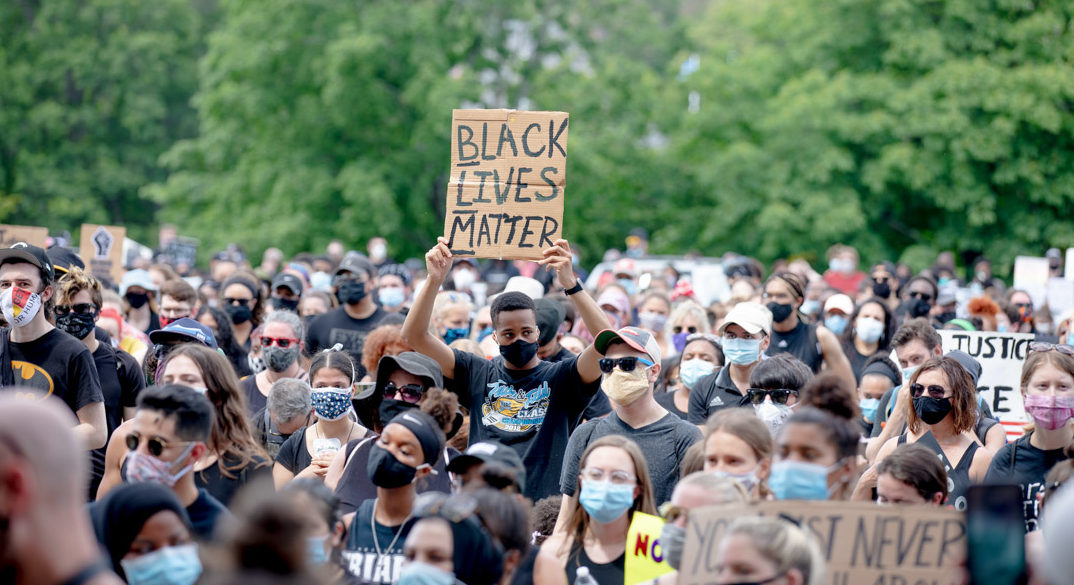
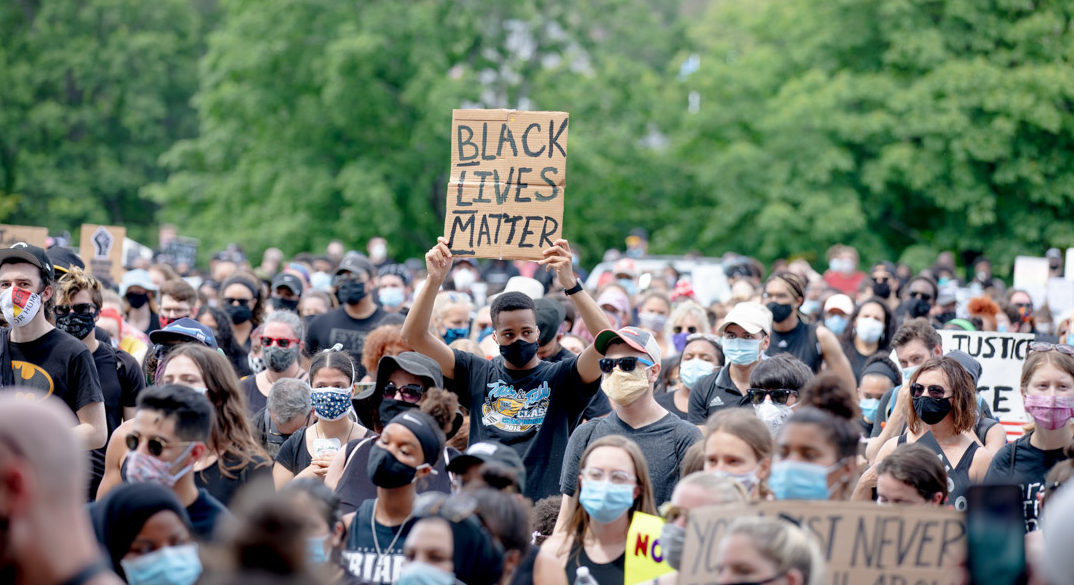
The 65-page draft bill is a result of hours of Zoom sessions between members of the Judiciary Committee. It is an effort to reform policing in the wake of the police killings of George Floyd and Breonna Taylor, and the thousands of Black Americans who came before them.
“This is the attempt at a bipartisan agreement,” said Sen. Gary Winfield, D-New Haven and co-chair of the Judiciary Committee. “There’s quite a bit of buy-in, at least in terms of the concepts.”
Members of the public will have an opportunity to weigh in before the special session, which will be dedicated to police accountability, later this month.

One of the most significant changes floated by the proposal would curtail police officers’ use of deadly force. Under current law, an officer can use deadly force if they have an “objectively reasonable” belief that it’s necessary to defend themselves or others. The statute does not consider whether the officer could have acted differently, if the police escalated the situation or if it was proportional to the alleged crime a person committed.
In the draft proposal, authorities could only use deadly force when they had exhausted all reasonable alternatives, reasonably believed the force creates no significant risk of injury to a third party and reasonably believes such use of force to be necessary.
When determining whether an officer acted reasonably, officials would consider whether the person killed had a weapon, and whether the officer either heightened or attempted to deescalate the situation. Officers who witness their peers acting in an ‘unreasonable’ manner will be required to intervene or will be subject to the same punishment.
The bill also would permit officers to use chokeholds “only when he or she reasonably believes such use to be necessary to defend himself or herself from the use or imminent use of deadly physical force.”
Notably, the proposed bill would also change the process of holding police accountable. Currently, state’s attorneys investigate officers’ use of deadly force and deaths in police custody, a system that has yielded just one criminal charge out of 76 cases since 2001.
Chief State’s Attorney Richard Colangelo would nominate the inspector general – a state’s attorney located in a separate building from their peers – to a four-year term. That investigator would prosecute any cases where they determine an officer used or abetted unjustifiable force. They would also make recommendations to the Police Officer Standards and Training Council regarding suspension, renewal or revocation of an officers’ certification.
Another significant part of the proposal takes aim at qualified immunity, which grants police wide protection from civil lawsuits. Under that legal doctrine, cops are not held financially liable for constitutional violations as long as they didn’t violate “clearly established” law. The special session bill would not allow qualified immunity to shield officers from civil lawsuits filed because they violated a civilian’s rights.
Among the other proposals in the draft bill:
- Police departments that serve communities with a high number of minority residents would need to make an effort to recruit, retain and promote minority officers so law enforcement agencies reflect the communities they serve. Those departments would then report their diversification efforts to the Police Officer Standards and Training Council.
- The Police Officer Standards and Training Council would create a statewide policy for managing crowds, a nod to the mass demonstrations throughout the state and country in the wake of the deaths of George Floyd and Breonna Taylor. Such measures would address officers’ “permissible and impermissible” uses of force.
- Police would be mandated to take implicit bias training, to recognize and mitigate unconscious biases.
- The Police Accountability and Transparency Task Force would broaden its scope to, among other things, examine: “no knock warrants,” the police action that led to the death of Breonna Taylor; the benefits and feasibility of requiring police to carry professional liability insurance, a provision experts think might make cops less likely to use deadly force; and the necessity of requiring the presence of a cop at a road construction site.
- Within six months of the bill’s passage, municipal police departments would need to complete an evaluation on the potential impact of the use of social workers to respond to certain calls. This could help ensure individuals suffering from mental health crises aren’t killed by police.
- It would become a crime to falsely report a crime based on a person’s race – as Amy Cooper did in New York City in May – religion, ethnicity, disability, or sexual or gender orientation.
- The Office of Policy and Management would create annual use-of-force incident reports based on figures provided by law enforcement departments across Connecticut. The police departments would be required to record each instance of the use of physical force likely to cause serious physical injury, each time a gun is fired and each time they engage in a pursuit.
- Police would not be allowed to use military equipment for training purposes or in response to an incident, except for special circumstances involving disasters or rescues.
