



In an era where climate change poses an increasingly dire threat to our planet, it’s vital that we reassess our daily habits and their impact on the environment.
One often-overlooked aspect of our lives that significantly contributes to greenhouse gas emissions is our relationship with food. The United Nations Food and Agriculture Organization (FAO) has forecasted that we need to increase current food production by 60% to meet the demand by 2050.
However, what if I told you that by simply eating less, we could help save the planet?
Let me start by addressing the alarming rates of obesity globally. In 2023, 39% of the global population (3.12 billion people) is obese, and the World Obesity Atlas estimates more than half of the world will be obese by 2035. Obesity in the U.S. affects 42% of adults (100 million) and 20% of children (15 million) and accounts for $147 billion in annual healthcare costs.
The intake of energy-dense foods that are high in fat and sugars has risen while physical inactivity has also increased. Obesity debates aside, it boils down to consuming excess calories relative to your body’s needs, influenced by personal and societal factors. The USDA reported in 2018 average consumption of meat, eggs, and nuts in the U.S. exceeded the recommended amounts by 1.5 times, while grain consumption exceeded by 1.1 times. Another study found food intake in the U.S. exceeded the need by 400 kcal/person/day. But the consequences of these lifestyle choices extend far beyond individual health – they have a significant impact on our environment.
Obesity not only increases the burden on healthcare systems but also leads to higher greenhouse gas emissions. This is largely due to the associated health issues that require medical treatments. Nearly 5% of the world’s greenhouse gas emissions are associated with the healthcare industry. By addressing overconsumption, we can help reduce the need for such medicines and subsequently cut greenhouse gas emissions.
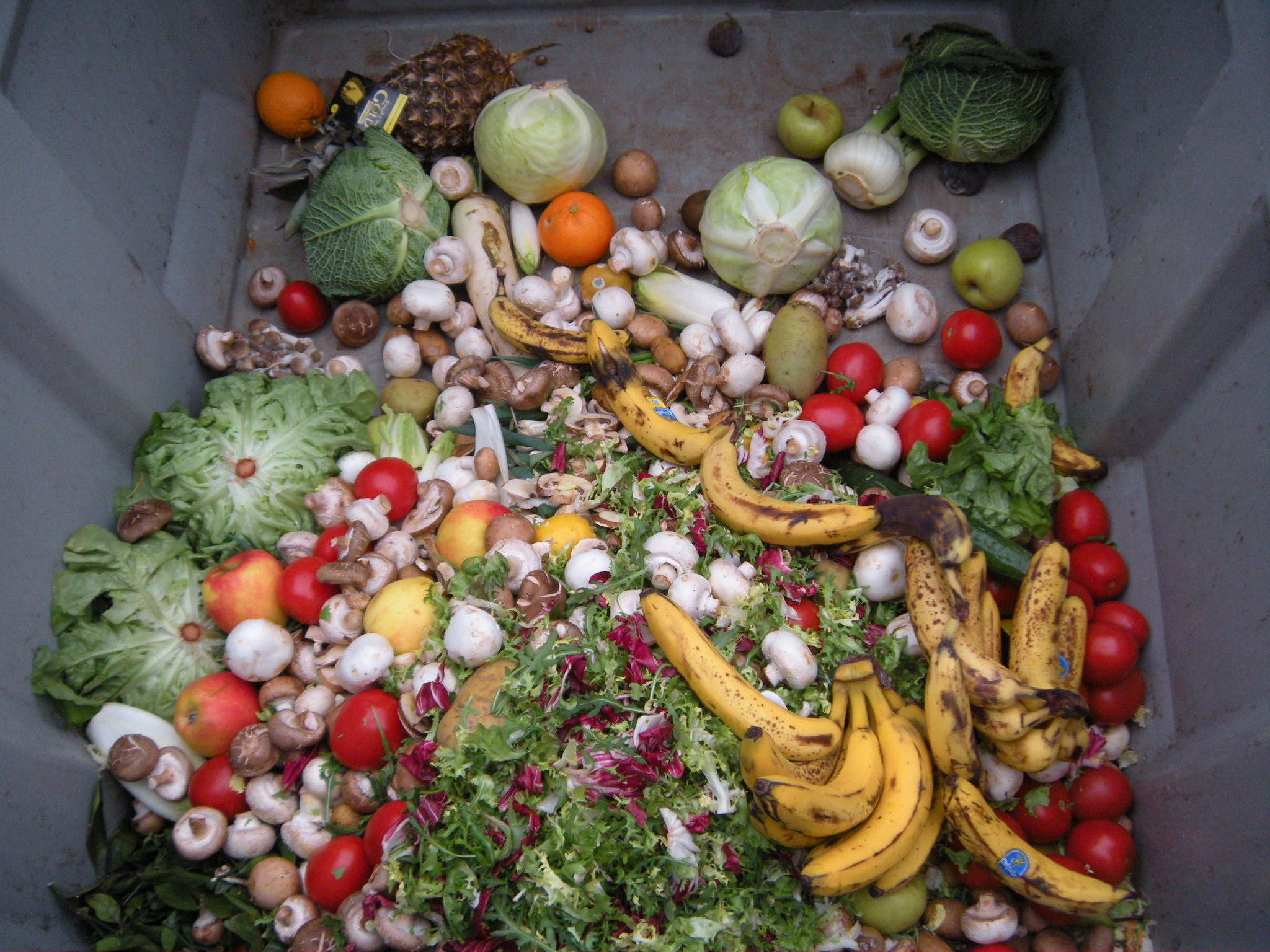
Another concerning issue is food waste. A staggering one-third of all food produced globally is wasted. Approximately 40% of the entire food supply in the U.S. goes to waste. This amounts to an average of 325 pounds of food wasted per person.
The Environmental Protection Agency estimated in 2021 that every year, U.S. food waste embodies 170 million metric tons of CO2 equivalent greenhouse gas emissions (» 42 coal-fired power plants). This estimate does not include the methane emissions from food waste rotting in landfills. Food waste comprises about 23% of the materials landfilled and incinerated in the U.S. Moreover, producing food generates a significant amount of greenhouse gas from the carbon footprint associated with fertilizer manufacturing to every step in the food chain. About one-quarter of all greenhouse gas emissions are caused by the global food system.
What is the solution? Simple mathematical calculations of the above-mentioned data reveal that if we could reduce food waste by 50% and curb overconsumption by 50%, we would only need about 60% of our current food production.
This approach is not only practical but also more sustainable than continually increasing food production to match rising demand while waste and overconsumption remain unchecked. This, in turn, would dramatically reduce greenhouse gas emissions. Less food waste would lead to less greenhouse gas from landfills while producing less food would decrease the emissions associated with its production.
The implications of this shift in our food consumption patterns are profound. Not only would we see a reduction in greenhouse gas emissions, but we would also mitigate the pressure to increase food production to meet the demands of a growing global population. This aligns with the FAO’s goals to create a more sustainable food system. It’s a win-win situation. Therefore, it is crucial to engage in a dialogue about our connection with food to address the climate change impact.
While a reduction in food production, overconsumption, waste, and associated elements in the value chain may indeed impact economic growth, it’s crucial to recognize that a slightly diminished rate of economic expansion is a far lesser concern when compared to the urgency of curbing the greenhouse gas emissions responsible for our planet’s environmental degradation.
The connection between our food choices, environmental sustainability, and personal health is undeniable. Education plays a pivotal role; teaching individuals about mindful eating habits and the environmental consequences of waste can instigate change. Governments and policymakers must implement stringent regulations to minimize food waste at every stage of the supply chain. By eating less and wasting less, we can significantly reduce greenhouse gas emissions, curb the need for extensive food production, and promote a healthier society.
It’s time to acknowledge the power of our forks in the fight against climate change. So, let’s start by making conscientious choices, not just for our waistlines but for the health of our planet as well.
Shuresh Ghimire, PhD, is an educator at the University of Connecticut Cooperative Extension who specializes in vegetable production.