


Earlier this spring, a mom of two showed up a little late to a community event. When I asked what happened, she smiled apologetically and said she needed to feed her kids first. By the time they arrived, the painting activity—the part her kids were most excited about—was almost over.
As a mom, this scenario is too relatable. These are the kinds of things that happen all the time. For many families I work with, getting through the day takes careful juggling—figuring out meals, housing, transportation—all before they can even think about joining a event or program, even a free one.
When basic needs aren’t met, it’s hard to focus on anything else.
I’ve worked in Connecticut’s nonprofit sector for more than two decades. I’ve seen trends come and go, programs shift, funding dry up and come back again. But this moment feels different. The ground feels a little less steady. With a federal shutdown threatening SNAP benefits and housing insecurity rising, families are being stretched to the limit. Nonprofits are being asked to do more than ever with less support, and it’s the same families—those already facing the hardest circumstances—who feel it first.
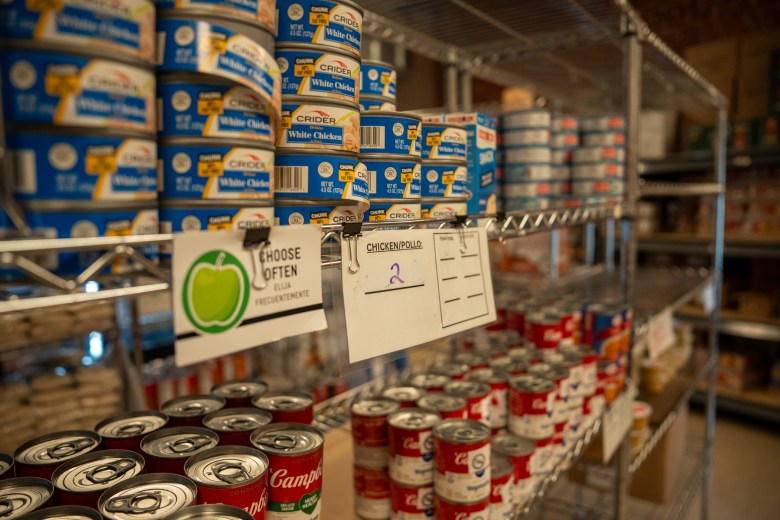
If SNAP pauses in November, we’re going to see it up close. Pantries will run low. Kids will head to school hungry. Parents will have a harder time concentrating at work or in training programs. And when that happens, even the best programs can fall short—not for lack of care or effort, but because survival always comes first.
Nonprofits have always been quick to fill the gaps when government systems fall short. But the truth is, we have limits too. We want our education, workforce, and youth programs to succeed—but none of that can happen if families are hungry or without a safe place to live. It’s a question we all need to keep asking: Are our participants fed? Are they safe? What’s really keeping them from showing up fully?
There are things we can do. Sometimes it’s as simple as providing snacks or meals during a workshop. Other times, it’s building new partnerships—with a local farm, a grocery store, or another organization—to make sure people have what they need. We can work together across housing, food, and education. It’s not glamorous work, but it’s real, it’s human, and it strengthens our missions—not distracts from them.
Funders, this is your moment too. A STEM program is important, but it won’t reach a child who’s hungry or sleeping in a car. The more flexibility you can offer in grants, the better equipped organizations will be to meet real, immediate needs. This isn’t extra—it’s essential.
The SNAP pause is just one example of something bigger. Food insecurity, unstable housing, and financial strain have been growing for years. Nonprofits are the pulse of our communities, and right now, that pulse is quickening. It’s on all of us to act—with creativity, urgency, and empathy—and to let the voices of those most impacted lead the way.
I keep thinking about that mom who showed up late. We took a few minutes to connect, offered some options, made room for her family. Later, she came back to volunteer. That small exchange stuck with me. Sometimes the most meaningful changes start in small, relatable moments—when we see someone’s reality and choose to respond.
The nonprofit sector is at a crossroads. We can keep doing business as usual, or we can start showing up differently—listening more closely, meeting people where they are, and leading with heart. How we show up now will shape more than our programs; it will shape the lives of the people we serve. And my hope is that we’ll choose wisely.
Maybeth Morales-Davis is a Connecticut resident and nonprofit advocate.