



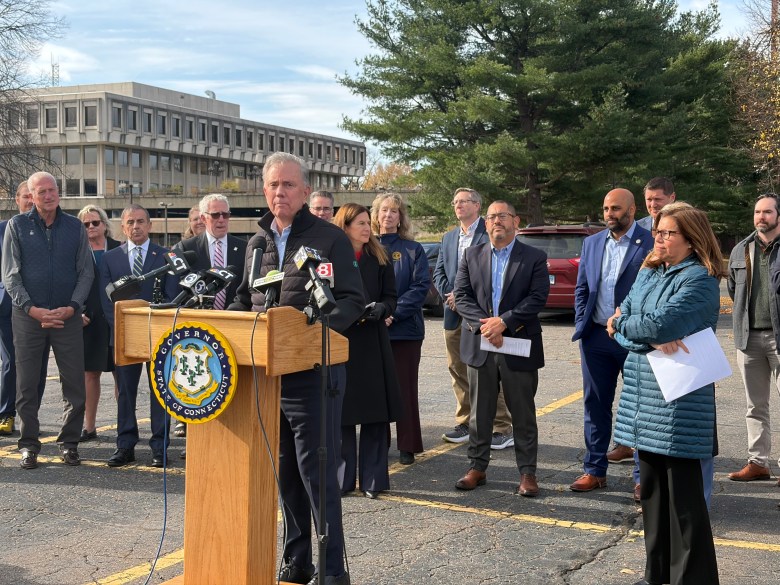
When Gov. Ned Lamont vetoed House Bill 5002, he halted the most substantial statewide progress we have seen in years on housing. That bill was shaped in public. Residents testified. Local volunteers showed up. Advocates brought data and lived experience. Legislators listened. The public did everything democracy requires when asked.
The new bill coming before lawmakers this week was drafted privately by a limited set of insiders and released only on November 7 — giving advocates, experts, and residents fewer than seven days to review it before a special-session vote.
It was not drafted with the public, not with the hundreds who testified, not with the experts, planners, tenants, or developers who worked for months on HB 5002 — but only with the insiders in the room. The rest of Connecticut is being told to wait quietly while a final version is pushed to vote on Wednesday and Thursday.
That is not transparency. That is not a partnership. That is not how a state in a housing crisis should make policy.
Here is who is being left out:
Renters in New London who have endured relentless rent hikes. Windham families who are dreaming of owning a home. Seniors in Montville, Lisbon, and Killingly who just want to stay near their families. Employers in Groton and Norwich who cannot fill jobs because workers cannot find housing nearby. The advocates who helped shape HB 5002.
The experts, the builders, and the tenants were all left out. So were the thousands of residents who initially testified and mobilized because their housing stability is at risk.
When legislation is created only by those already in positions of power, we get the same results that got us into this crisis. We end up wondering why bills pass but rents keep rising, zoning stays restrictive, and displacement accelerates. The answer is simple. Solutions that exclude the people living the problem will never be bold enough to solve it.
Here is the truth. A rushed, watered-down, privately negotiated bill is not progress. A bad secret bill is worse than no bill at all. It creates the illusion of action while allowing the crisis to deepen.
It is now planned that the revised bill could be brought to the floor for a vote as soon as November 12 or 13, with no meaningful opportunity for advocates, experts, practitioners, and residents to weigh in. The people who will live with the consequences are expected to accept them blindly. That is unacceptable.
Communities in Eastern Connecticut are doing their part. From Ledyard to Mansfield and New London to Hebron, towns have encouraged and approved new senior apartments, homeownership opportunities, and stable homes. Planners and volunteers are putting in the work to make housing more attainable. They deserve a state policy framework shaped with transparency and partnership. And the residents who lie awake at night worried about next month’s rent deserve to know that their stories still matter.
Housing is not theoretical here. It is the couple sleeping in their car in Waterford. It is the nurse commuting from Rhode Island. It is the family who can barely afford the rent, let alone buy a home someday. It is the veteran who cannot afford to live in the town where he raised his children. It’s our neighbors being forced out by predatory private equity landlords.
If leaders are confident in this bill, they should show it to the public now. Explain what changed. Explain who influenced those changes. Explain why those of us closest to residents were pushed out of the room.
This is a defining moment for Connecticut. We either insist on accountability and shared responsibility, or accept a system in which only those already in power decide who belongs, where decisions are made in the dark.
Residents need to speak up. Demand a housing future written with, not for, the people who need it most.
Open the doors. Restore trust. Connecticut’s families cannot afford closed-door decisions that look like momentum but leave them further behind.
Beth Sabilia is Director of the Centers for Housing Opportunity in Eastern Connecticut.