



Is it possible to live in our state without a car?
We have over 1.1 million cars registered in Connecticut (not counting SUVs, pickups and vans) for our 2.6 million licensed drivers. But that still doesn’t account for another half-million adults who don’t drive, by choice or economic necessity.

According to AAA, in Connecticut it costs about $11,000 a year to operate a new car (not counting its purchase price), well above the national average. You can blame high insurance premiums, property taxes, registration and maintenance… plus the cost of gasoline. That means the average driver pays about 70 cents a mile to drive.
But in most of the state, access to a car is essential for daily living, especially if you’re older.
Something like 19% of all Connecticut residents are over age 65. Over age 70, traffic fatalities increase with age; by age 85, drivers have probably outlived their ability to drive safely.
Every year some 600,000 adults in the U.S. stop driving. But because seniors make 90% of their trips in private cars, either driving or as passengers, what happens next?
When seniors stop driving it impacts more than their mobility. It can also affect their health. Seniors who stop driving make 15% fewer trips to the doctor. They can’t get out to shop as much. They isolate socially, which can lead to depression and a downward spiral in health.
Living in the suburbs, 80% of seniors reside in car-dependent neighborhoods. Some 53% of those areas don’t have sidewalks and 60% are not within a ten minute walk of a transit stop, assuming the elders can still walk that distance.
The cost of bus fare isn’t the main reason that dissuades seniors from riding the bus. It’s not knowing where the bus stops are, when they run, the lack of a shelter and, yes, probably a fear for their safety. Plus not all buses kneel, which makes boarding a challenge.
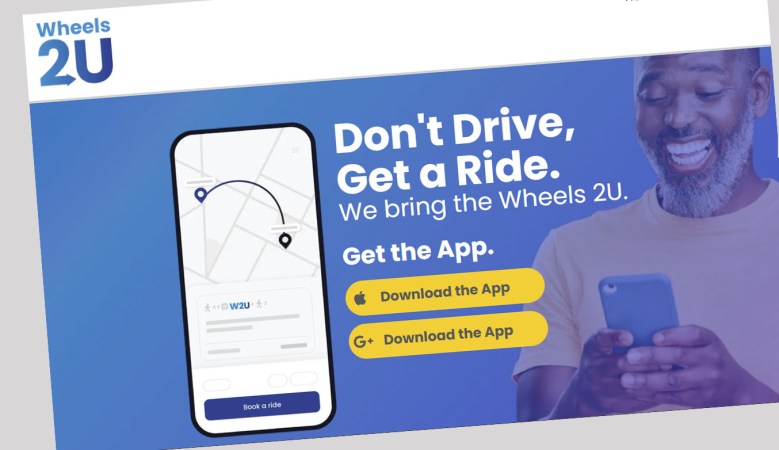
Many affluent communities offer free or low-cost ride services for seniors (and others with disabilities). In Greenwich there’s “Call A Ride,” in Fairfield “Dial A Ride” and in Darien “At Home in Darien.” And several cities offer on-demand, Uber-like services such as Norwalk and Westport’s “Wheels2U” and New Haven’s “Via NHV.”
At the other end of the mobility spectrum, many of our cities and towns have gone to great expense installing bike lanes. But when’s the last time you saw them being used? They sound great, offering a chance for exercise and enhanced mobility, but they’re hardly useful year-round. And they certainly don’t replace the utility of a car.
Metro-North, Shore Line East and the Hartford Line are great if you’re going to a city center. But getting to the station usually means relying on a car. And when you alight from the train in many towns, that last-mile to your destination still involves a cab or bus (if it runs your way).
So can you live, work and play in our state without a car? You decide.