



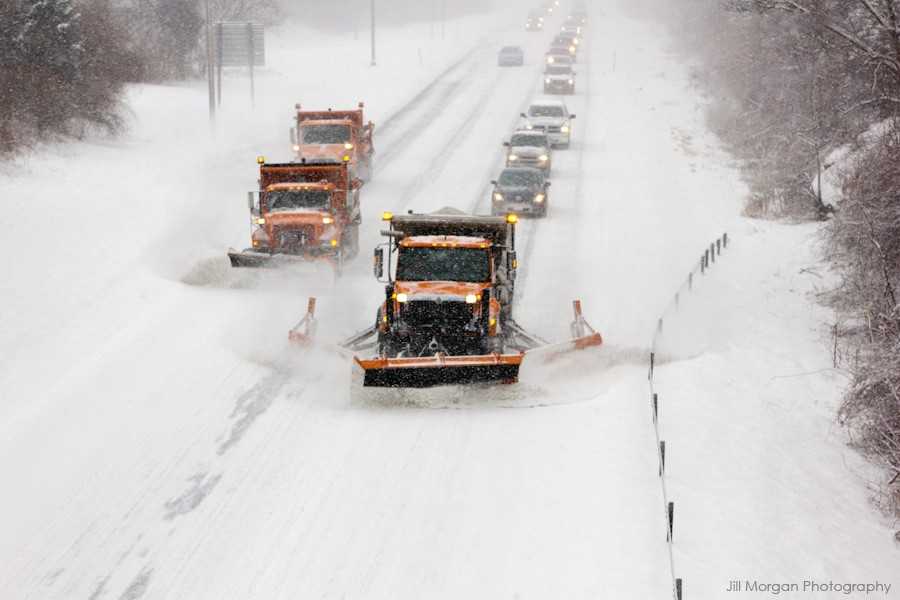
I hate winter. And winter hates transportation.
Growing up in The Great White North (Canada, eh?), winter seemed to last about six months. This winter in Connecticut seems even longer. But feet of snow and sub-freezing temperatures don’t have to stop you if you follow some tried and true travel hacks.

Traveling by car:
If a storm is coming, get your car off the street and into a garage. That way the trucks can plow and you don’t have to dig out your ride.
If you do have to clean off your car after a storm, include the roof in your efforts. Otherwise your car may start launching “ice missiles” at unsuspecting targets as you’re driving down I-84. That can mean a fine and possible injury to others.
Keep your gas tank full. Your windshield washer tank, too… with ice-melting fluids, not water. Replace worn wipers before winter storms. Frozen, shredded rubber on dirty glass turns night driving into roulette.
When you start your engine, let it idle for at least 20 to 30 seconds before driving to ensure adequate oil distribution. Don’t race the engine. This isn’t Daytona, and cold oil doesn’t respond well to your enthusiasm.
Drive with your traction control turned on and proceed with caution. Just because you’re in a SUV, don’t assume that because your car is bigger it’s safer.
Check your tires. For every 10 degree drop in temperature you lose one PSI in tire pressure. Under-inflated tires mean longer stopping distances (before factoring in the ice), lower fuel economy and higher risk of blowouts.
If you’re in an EV anticipate that your car won’t charge as well in the cold. And expect to lose 20-40% of your normal driving range. Pre-conditioning the battery while plugged in can claw back some of that mileage.
Without sounding like a scolding parent, just assume the worst because winter always does. Keeping an emergency kit handy: a blanket, flashlight, phone charger, and gloves in the car isn’t paranoia, it’s planning.
Traveling by train:
While train travel is much safer in bad weather, it’s not immune to physics. Sub-zero temperatures are the enemy of all things mechanical.
To their credit, Connecticut’s railroads have a much better record of performance in winter than in years past when service was pre-emptively cancelled to avoid stranding passengers. But remember… parts of this railroad are 100+ years old and centenarians don’t like playing in the snow.
While apps like TrainTime have vastly improved communications, they’re not perfect. Trust your eyes and crowd-source any mistake you see to the Twitter account @CTRailCommuters to advise your fellow riders.
If your station’s waiting room is locked or the platform is not shoveled / sanded, document it and call your town hall. Commuters deserve heat and a safe path to their train.
Grabbing the first train in the morning darkness turns you into a guinea pig as it encounters frozen switches and doors so later trains don’t have to. Overhead power lines can snap and strand you without heat, so opt for diesel powered trains if they’re an option.
And don’t forget to download and activate your ticket before boarding; this in case cell service is lost and you’re hit with an $8 fine under Metro-North’s new rules.
Keep your cell phone (and its winter-hating battery) fully charged and close to your body heat to preserve its power. Stashing your phone in a bag or outside pocket will drain your power quickly.
Finally, ask yourself “Is this trip really necessary?” Sometimes the smartest winter travel decision is deciding not to travel at all.