



As Connecticut Republicans prepare to gather for their May nominating convention, delegates will be asked to make one of the most consequential decisions of the election cycle: selecting a candidate for governor.
It is a decision that will shape not only the top of the ticket, but also the prospects of Republican candidates running for offices up and down the ballot in November.
Yet this year, delegates may be asked to make that choice without one of the most important tools voters and party leaders have to evaluate candidates: debates.
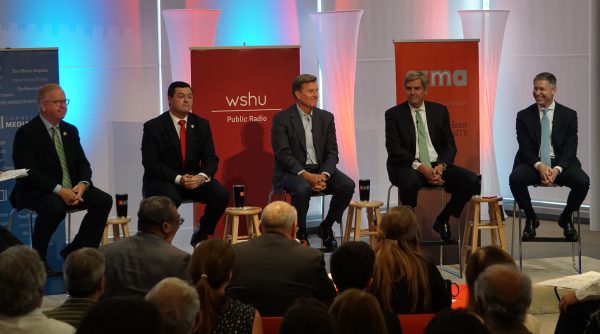
In 2018, when I was a candidate for governor, the Republican field participated in an extensive series of debates and forums prior to the May convention. There were five debates held across Connecticut’s five congressional districts, giving delegates and voters multiple opportunities to see the candidates together, side by side, answering the same questions.
Those debates did not stop at the convention. They continued through the summer, with additional forums leading up to the August primary — nine debates before the general election campaign even began.
They were not always easy. Nor were they meant to be.
Debates serve a critical purpose in the democratic process. They require candidates to think on their feet, respond to criticism, and articulate their positions clearly under pressure. They test not only a candidate’s command of the issues, but also their ability to lead in unscripted and often challenging situations.
For delegates tasked with selecting a nominee at the May convention, debates offer something no campaign event or policy paper can replicate: a direct comparison of the candidates in real time.
That opportunity appears to be missing this year.
Delegates should not have to rely solely on campaign messaging or individual appearances to evaluate the field before the convention. They deserve to see the candidates engage with one another, defend their records, and explain how they would lead the state.
This is especially important in Connecticut, where the political landscape presents significant challenges for Republican candidates in statewide elections. The eventual nominee — whether chosen at the convention or through an August primary — will need to be prepared not only to present a compelling vision, but also to withstand sustained scrutiny in a general election environment.
Debates help ensure that readiness.
They sharpen arguments, expose vulnerabilities, and ultimately produce stronger candidates. Just as importantly, they help build confidence among party leaders and voters that the nominee has been fully vetted before the general election campaign begins.
This is not about any one candidate. It is about maintaining a process that is transparent, rigorous, and worthy of the responsibility delegates are being asked to carry.
Connecticut Republicans have an opportunity — and an obligation — to put forward the strongest possible nominee. That begins with giving delegates the chance to see the candidates tested in the most direct and meaningful way available.
Before the convention meets in May, there is still time to make that happen.
It’s time to debate!
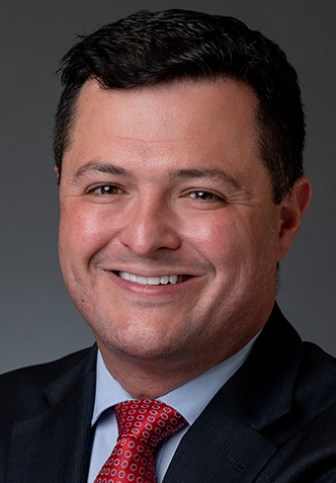
Timothy M. Herbst was the First Selectman of Trumbull from 2009-2017 and sought the Republican nomination for governor in 2018.