


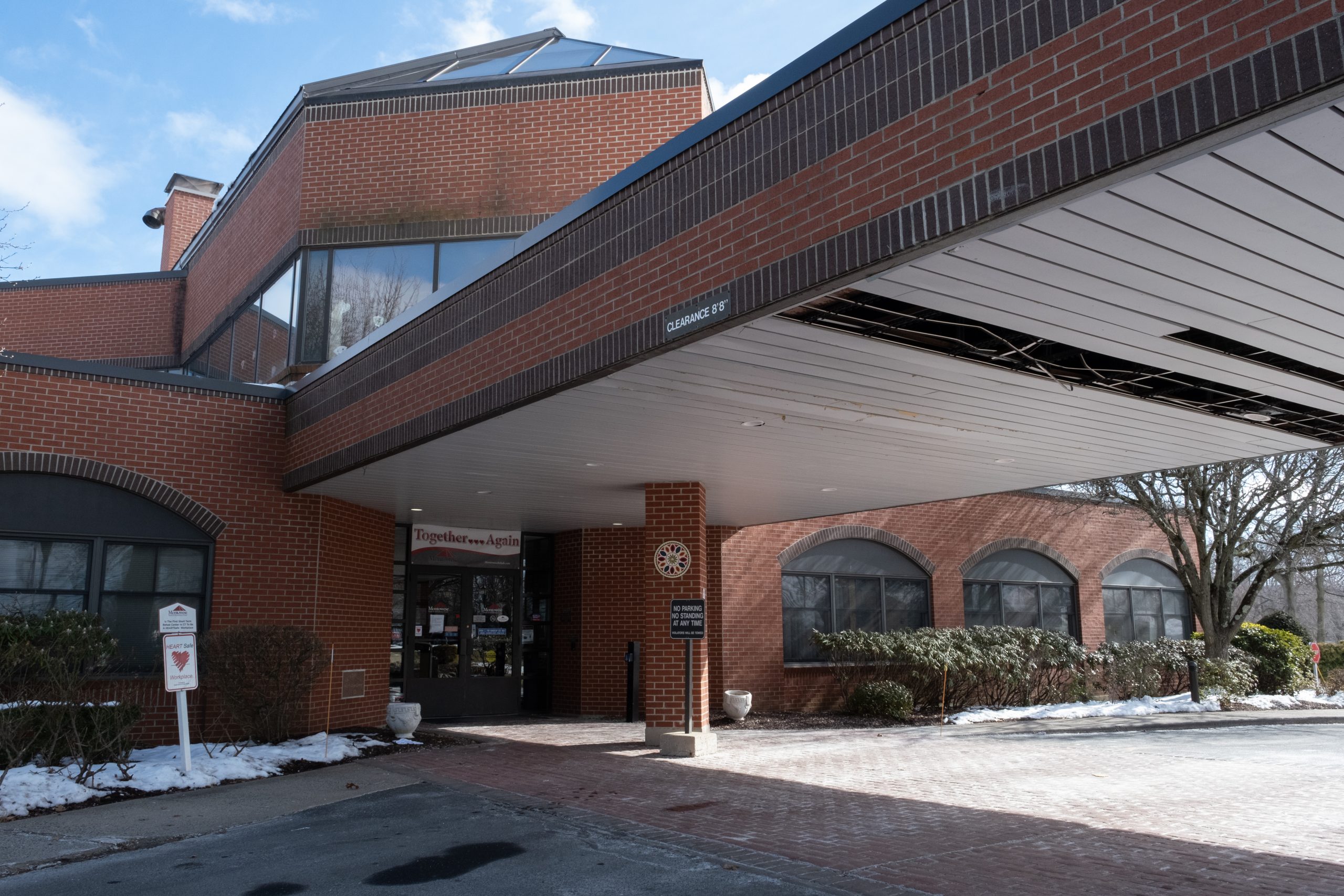
Nearly 200 residents at the St. Joseph’s Center nursing home in the affluent Connecticut suburb of Trumbull were evacuated last year after Legionella bacteria was found in the facility’s water system. Two months later, they were evacuated again over critical failures in the building’s fire safety systems.
Three years earlier, residents at another Connecticut nursing home, the Quinnipiac Valley Center, were relocated after two resident deaths triggered a state health investigation.
The nursing homes were both owned by private equity-backed Genesis HealthCare, among the largest skilled nursing operators in the nation. It’s already faced lawsuits or investigations in California, Georgia, Massachusetts, Missouri, Nevada and Vermont over allegations of patient neglect and abuse.
This year, Connecticut enacted what may be the strongest law in the country addressing transparency and accountability for private equity-owned nursing homes.
It is the latest in a string of states stepping into a regulatory vacuum created by limited federal laws and a presidential administration that’s proven friendly to private equity while showing little appetite for scrutinizing private equity’s role in the healthcare industry.
Private equity’s foray into healthcare over the past several years, particularly into hospital ownership, has drawn public outrage and legislative scrutiny.
It’s all happening as states are staring down steep federal cuts to Medicaid, the public health insurance for people with low incomes that is also the primary payer for long-term nursing home stays. Those cuts, experts fear, could ultimately direct more older Americans into nursing home care.
Last year, at least seven states (California, Indiana, Massachusetts, Maine, New Mexico, Oregon and Washington) passed legislation putting more guardrails around private equity’s involvement in healthcare.
Virginia is still considering a bill to curb predatory property financing practices that have been used by private equity in nursing homes.
Illinois lawmakers sent two measures to Democratic Gov. JB Pritzker that aim to strengthen oversight and transparency requirements of healthcare mergers or acquisitions, and place new restrictions on private equity ownership of disability service providers. The first bill was Democratic-sponsored, while the second had both Democratic and Republican sponsors.
Democratic Gov. Ned Lamont signed Connecticut’s measure last week. The new law requires nursing homes that are owned by private equity to disclose their financial dealings with the state and bans private equity from controlling day-to-day care decisions about nursing home residents. Lamont also signed a related bill to curb private equity’s influence over hospitals in the wake of financial moves by equity-owned health groups in his state that led to hospital closures.
Genesis HealthCare declined an interview with Stateline, but provided a statement saying it “remains focused on supporting our affiliated centers in delivering high-quality care to patients and residents.”
The nursing home industry argues that private equity controls a relatively small share of the nation’s facilities, and that reported problems have been the result of a few bad actors. The federal government estimated that about 5% of Medicare-enrolled nursing homes nationwide had private equity owners in 2022, but admitted that some nursing homes don’t always list all of their owners in the federal database. Some researchers have pegged the real share as high as 13%.
“Focusing on private equity in long term care has become a distraction from the real issues that impact the majority of providers, like chronic Medicaid underfunding and a growing caregiver shortage,” said John Kane, a senior vice president at the industry group American Health Care Association/National Center for Assisted Living, in a statement to Stateline.
“If we truly want to improve care throughout the health care system, we need policymakers to find a proper balance of oversight while still encouraging more investments.”
But a growing number of states are moving to regulate investment companies that draw heavily on Medicaid and Medicare dollars.
“The big question about private equity is not whether profit belongs in the nursing home; it’s whether public dollars meant for care are being converted into financial returns (for investors) without enough accountability,” said Gregory Orewa, an assistant professor at the University of Texas at San Antonio whose research has focused on private equity ownership in U.S. healthcare.
“Nursing homes exist to care for the most vulnerable who cannot care for themselves,” he said, “so we should be holding private equity or anybody to high standards on providing quality care.”
Quality and profits
Private equity firms use pooled investments from pension funds, sovereign wealth funds, endowments and wealthy individuals to buy a controlling stake in a company. Then they try to maximize the company’s value before selling it at a profit, usually within a few years.
Nursing homes and other long-term care facilities are attractive to investors because demand is always there; the share of Americans 65 and older has been steadily rising and is expected to continue.
Nursing home care is heavily subsidized by the government through Medicaid and to a lesser extent Medicare, the public insurance program for adults over 65 and some people with disabilities, offering investors a predictable revenue stream.
And it’s an industry where investors can scoop up struggling independent facilities and improve their margins through corporate consolidations, streamlining management, adjusting staffing or capitalizing on valuable real estate owned by the nursing homes.
Private equity’s defenders say it provides nursing homes with much-needed capital, disciplined management and operational improvements that help facilities scale up their services.
But the private equity model’s primary goal in any sector is to generate returns for shareholders, usually within a few years.
Critics say that priority conflicts with the kind of long-term investment that’s needed to provide quality healthcare, such as paying enough to hire sufficient staff or upgrading facilities.
“One of the biggest misunderstandings is that private equity ownership is only bad,” said Orewa, of the University of Texas at San Antonio. “The issue is more structural. Nursing homes operate on very thin margins, they depend heavily on public dollars and they care for the most vulnerable people who can’t easily exit when nursing home quality declines.”
Nursing home residents aren’t like other healthcare consumers. They may lack financial literacy, or their decision-making may be impaired by cognitive decline, which could lead to them making choices not in their best interests, researchers have noted. They’re a captive audience, often choosing a facility that’s nearby or near family, rather than shopping around for the best option.
Research on how private equity ownership affects nursing homes has found few positive effects. One large 2023 study found it increases a nursing home’s death rate by 11%. Private equity-owned facilities tended to maintain care quality for sicker patients by adding registered nurses, but researchers found those gains were offset by staffing cuts to the frontline nursing assistants who handle most of the hands-on care. Other studies have linked private equity involvement to increases in emergency room visits and rising Medicare costs.
Orewa and his colleagues published a comprehensive review last year of a dozen major studies, linking private equity ownership to a higher number of deficiencies in nursing homes, increased hospitalization rates and higher mortality. They also found that private equity-owned facilities bill Medicare more than other nursing homes.
Facilities’ financial outlooks initially improved after a private equity buyout, Orewa said, but they later faced long-term challenges. The financial maneuvers that private equity uses to extract more revenue from nursing homes can hurt their stability long term.
Hidden disclosures
All nursing homes that receive federal funding are required to publicly disclose the names of any entities that exercise financial control over them. But companies can use complex methods to mask that ownership, meaning it’s difficult even for experts to find out who really owns a nursing home.
“A lot of nursing homes will not provide that information, and their information may not be audited,” said Michael Fenne, healthcare policy coordinator at the Private Equity Stakeholder Project, a research group that tracks the private equity industry.
For example: The private equity-backed Portopiccolo Group acquired more than 130 nursing homes across 9 states from 2016-2022 and yet didn’t appear in federal data as an owner of those facilities, according to the consumer advocacy nonprofit Public Citizen.
And ownership information matters to consumers looking for a safe place for their loved ones: The Portopiccolo Group’s nursing homes have faced heavy fines. A 2023 study by watchdog group Good Jobs First found Portopiccolo had an average fine per facility of more than $81,000, landing it on a list of parent companies with largest average penalties in the U.S.
Predatory tactics?
Virginia lawmakers are considering a Republican-sponsored bill that would cut funding to nursing homes that pay excessive rents to landlords. If passed, it could become a first-in-the nation effort to directly curb a financial maneuver known as sale-leaseback that state regulators have deemed predatory.
In sale-leaseback arrangements, a private equity-backed firm buys a healthcare company, such as a nursing home chain, and then sells its underlying real estate property to a separate investment trust. This sale generates quick returns for investors but saddles the nursing homes with monthly rent payments they may struggle to make, leaving less money available for patient care.
It’s a tactic that has contributed to healthcare bankruptcies across the nation, including for Genesis HealthCare and for Georgia-based nursing home chain LaVie Care Centers.
Increased need for nursing homes
By 2030, 1 in 5 Americans will be 65 or over, and most older adults say they would prefer to remain living in their homes for as long as possible.
For many, that’s possible because of services — such as home health aides or visiting nurses — that are funded through Medicaid.
But elder care experts worry those services will be the first on the chopping block for cash-strapped states facing $665 billion in Medicaid cuts over the next decade from President Donald Trump’s One Big Beautiful Bill Act. This is because federal law requires state Medicaid programs to cover nursing home care, but home-based services are optional.
Most people who receive those home-based Medicaid services need the kind of care that would land them in a nursing home without such services, said Jason Resendez, president and CEO of the advocacy group National Alliance for Caregiving.
“When we take those benefits away, it doesn’t take away the need for that care,” he said. One of the impacts of cuts to home-based services “will certainly be more folks forced to make the hard choice of going into more institutional-based care.”
And cuts to Medicaid could financially weaken smaller, independent or safety-net nursing homes that serve lower-income patients who heavily rely on Medicaid.
“Those distressed facilities may become cheaper acquisition targets for private equity,” Orewa said. “That creates an opportunity for investors with capital to buy at a discount.”