



Homelessness in Connecticut is no longer hidden from view or confined to the margins of public life. It is visible in train stations, emergency rooms, shelters, libraries, and increasingly in the lives of working families who never imagined they would struggle to keep a roof over their heads.
Connecticut — like much of the country — has often treated homelessness primarily as a charitable concern or an emergency response problem rather than a housing systems issue. We built stronger emergency response systems because people in crisis needed immediate help. But over time, we also learned that even the best shelter system cannot compensate for a housing system that does not produce, preserve, or protect enough affordable homes. Too often, we respond after people lose their homes instead of preventing homelessness in the first place.
The lesson of the last 20 years is clear: Connecticut can build a better homelessness response system, but it cannot end homelessness without building a better housing system. In this moment, we must remember that homelessness is not inevitable – and that change is possible.
Twenty years ago , four shelters in Fairfield County began working together to reduce chronic homelessness and improve access to housing resources across the region, not by acting alone, but by aligning around a common strategy. That collaboration — initially called Fairfield ‘08, now known as the Housing Collective — helped transform how Connecticut approached homelessness response, emphasizing shared goals, data-driven decision-making, and regional coordination over fragmented systems and silos.
The results were significant. For more than a decade, Fairfield County saw homelessness decrease across multiple populations while federal investment in coordinated homelessness response increased substantially. Communities demonstrated that when homelessness response systems align around measurable outcomes, shared accountability, and permanent housing solutions, homelessness can decline.
This progress matters because it disproves one of the most damaging myths surrounding homelessness: that nothing works. The lesson was that systems can change. Housing works. Prevention works. Shared data, common goals, and sustained public investment work.
That lesson ultimately pushed The Housing Collective further upstream. If homelessness is fundamentally a housing problem, then the solution cannot end at the shelter door. We must also help communities plan for, produce, preserve, and build public will for affordable housing.
To meet that need, The Housing Collective spurred the creation of the Centers for Housing Opportunity. Together, we help communities understand local housing needs, create pathways for affordable homes to be approved, financed, and built, preserve existing affordable homes, and build the public will needed to move from plans to action.
But the pressures Connecticut faces today are testing those gains.
The housing affordability crisis has changed the landscape, evidenced by the most recent Point-in-Time count, which shows Connecticut has experienced a deeply troubling 10% increase in homelessness.
Across Connecticut, the pressure is showing up everywhere. More residents are spending one-third, half, or more of their income on housing. Older adults are entering homelessness after years of stability. Families are stuck in shelters because there are no housing options affordable to them. Nonprofit providers and public systems, already stretched thin, are being asked to manage the fallout from a housing shortage.
This moment requires more than temporary fixes. We cannot continue asking emergency systems to solve problems created by decades of underbuilding, underinvestment, and resistance to affordable housing.
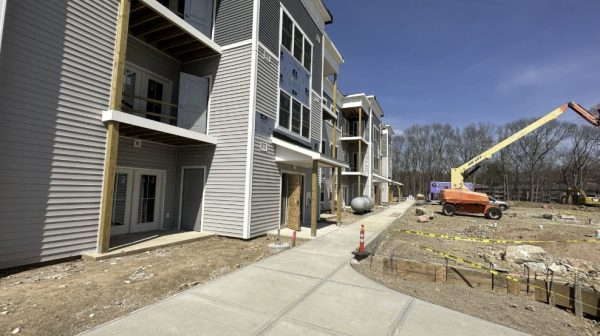
If Connecticut is serious about reducing homelessness over the next 20 years, we must finally treat housing as essential infrastructure. Housing is just as important to the health of our communities and economy as transportation, healthcare, or education. That means expanding affordable and supportive housing, investing in prevention before people lose their homes, preserving the affordable homes we already have, strengthening regional coordination, and modernizing the systems responsible for responding to crises.
It also means setting clear regional housing goals, funding affordable and supportive housing at the scale of documented need, and giving towns and regions the technical capacity to create homes. Across our state, we need to create meaningful zoning reform so cities, towns, and villages can build housing of all stripes. Progress will not come from managing scarcity more efficiently. It will come from reducing scarcity itself.
As I prepare for retirement after three decades working in this field, I remain convinced that Connecticut has the capacity, expertise, and partnerships necessary to make meaningful progress. I have seen communities come together, systems improve, and homelessness decline when leaders commit to long-term solutions instead of short-term reactions.
But progress will require sustained public commitment and a willingness to collaborate across sectors, regions, and political divides.
Twenty years ago, collaboration helped transform how parts of Connecticut responded to homelessness. The next 20years will depend on whether we are willing to build the housing systems Connecticut needs and ensure every resident has a safe, stable, affordable home.
David Rich is Chief Executive Officer of the Housing Collective.