



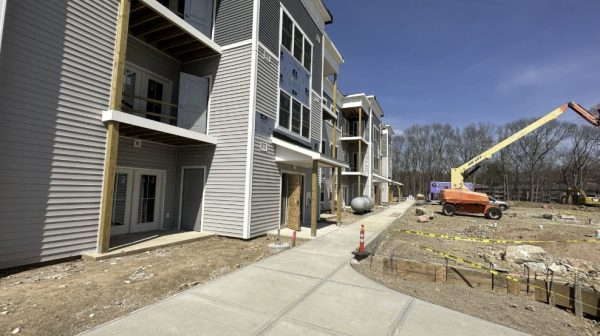
For years, housing has been one of the few issues everyone seemed to agree was a problem but no one could quite agree on how to solve. Enter the passage of the 21st Century ROAD to Housing Act.
The new legislation represents one of the most significant federal housing reforms in decades, bringing together Republicans and Democrats around reality: the United States isn’t building enough homes, and the shortage is affecting families, employers, and communities in every corner of the country.
The bill won’t solve the housing crisis in Connecticut or anywhere else overnight. It wasn’t designed to. But it provides states like us with a stronger set of tools to increase housing production, better utilize federal housing programs, preserve more affordable housing, and reduce some of the barriers that have made it harder to build the homes our communities need.
That’s good news for Connecticut. For years, we have watched housing costs outpace wages, homeownership become increasingly out of reach, and employers struggle to recruit workers because people simply can’t find homes they can afford. Chances are you live in a community where young adults are struggling to find a home they can afford. Older residents are finding it difficult to downsize. Families are spending more of their income on housing, leaving less for childcare, healthcare, education, and retirement. Many of us have grown to almost accept this as the norm.
But these things aren’t normal. They’re symptoms of a housing market that hasn’t kept pace with demand.
This new federal legislation recognizes that reality. Among its most important provisions are long-overdue improvements to the Low-Income Housing Tax Credit, the primary financing tool for affordable housing development in the United States. By increasing available tax credits and making financing more flexible, Congress has made it easier for affordable housing developments to move from concept to construction.
The legislation also invests in reducing unnecessary barriers to housing production. It encourages communities to modernize planning and permitting processes, supports adaptive reuse of existing buildings, expands opportunities for manufactured housing, and strengthens tools that help local governments plan for their future housing needs.
These may not be the provisions that generate headlines, but they are exactly the kinds of policy changes that can make a meaningful difference over time.
And they align with the conversations and efforts already taking place across our state among local officials, nonprofit organizations, developers, business leaders, lenders, and residents that recognize that housing isn’t simply a social issue. Communities that cannot produce enough housing struggle to attract employers. Businesses struggle to recruit workers. Families spend more of their income on housing and less in their local economies. Young people leave for places where homeownership feels attainable. These challenges affect every municipality, regardless of size or geography.
The federal government has now provided additional tools to address those challenges.
The question is whether states will use them. Connecticut has an opportunity to do exactly that.
Many communities across the state are actively working to remove barriers to housing production. Federal support can help accelerate that work by providing new financing opportunities, encouraging innovation, and rewarding the communities that are willing to meet the housing needs of residents.
At the same time, we cannot mistake increased housing production as the complete solution.
Building more homes is essential. Without significantly increasing supply, affordability will continue to worsen. But many Connecticut residents will continue to need housing that the private market alone cannot provide. Older adults living on fixed incomes, people with disabilities, households experiencing homelessness, and families with the lowest incomes will still depend on rental assistance, supportive housing, and existing deeply affordable homes. Those investments remain every bit as important as increasing overall housing supply.
Increasing production and protecting our most vulnerable residents are not competing priorities. They are complementary ones. A healthy housing system requires both.
As Connecticut continues shaping its housing future, our goal shouldn’t simply be to build more homes. It should be to create a housing system that gives young adults the opportunity to stay in Connecticut, allows older residents to age in their communities, provides working families with affordable options close to jobs and schools, and ensures that people facing the greatest housing challenges are not left behind.
The passage of the 21st Century ROAD to Housing Act is worth celebrating. It reflects years of advocacy from organizations across the country, including our partners at the National Low Income Housing Coalition and colleagues throughout the New England Housing Network, who worked to elevate the experiences of states like Connecticut and demonstrate why comprehensive housing reform was needed.
Now the focus shifts from Congress to states and local communities. That work belongs to all of us. If Connecticut embraces the opportunities this legislation creates while continuing to invest in the people and communities who need housing the most, we’ll be well positioned to build a stronger housing future and more competitive state for generations to come.
Chelsea Ross is Executive Director of the Partnership for Strong Communities.