



One of my favorite things about growing up in Glastonbury has always been our farms. I grew up picking blueberries at Dondero Orchards and strawberries at Belltown Hill Orchards with my dad. I worked at a local farm stand. For me, these places are more than just businesses; they are part of my town’s identity.
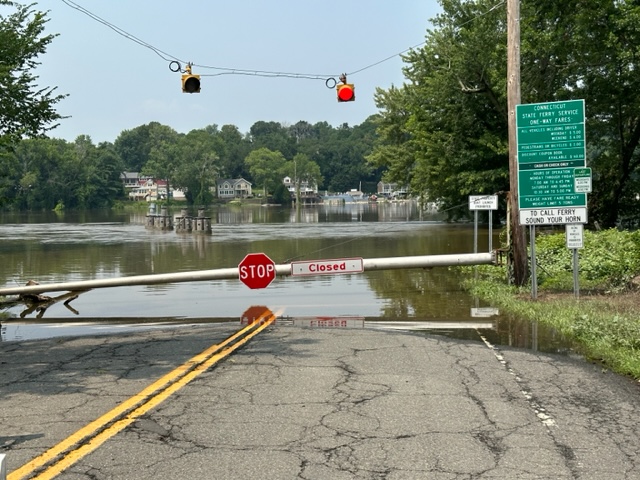
That is why the flooding that hit Connecticut farms in 2023 felt so personal. Farms along the Connecticut River experienced heavy and devastating crop losses. Somebody has to pay for these damages. And the question Glastonbury residents have been asking is: who pays?
Five other residents and I recently spoke during public comment before the Glastonbury Town Council about a proposed municipal resolution supporting a Connecticut Climate Superfund. The proposed resolution would express municipal support for state-level legislation intended to create another source of funding for climate adaptation and resilience.
Being a young person leading this effort seemed daunting at first, but I quickly realized this issue needed a voice, and that I could be that voice. Engaging with other Glastonbury residents and the Town Council members on this issue taught me the importance of community engagement and being an active resident.
The Climate Superfund is modeled on the “polluter pays” principle behind traditional environmental cleanup programs. Under the proposed Connecticut approach, certain major fossil fuel companies responsible for substantial historical greenhouse gas emissions would make payments into a state-administered fund. The Connecticut Department of Energy and Environmental Protection would oversee funding for eligible climate adaptation and infrastructure projects.
So why should that matter to a town like Glastonbury?

Without additional sources of funding, many climate-related damages become public expenses. Connecticut residents already face high housing, energy, food, and tax bills. Municipalities and taxpayers are often left paying for infrastructure damages and resilience projects, instead of the major companies driving these expenses.
That is why I believe the Climate Superfund proposal deserves public conversation.
I had hoped the Glastonbury Town Council would have listened to the youth in town and added the municipal resolution on an upcoming agenda. Although that has not happened, I appreciate The Glastonbury Citizen for covering the issue, the council members who have expressed interest in the proposal, and the residents who have participated in the conversation.
Glastonbury cannot establish a statewide Climate Superfund on its own. It is crucial that more towns express their perspectives and stories and contribute to debates at the Capitol. Municipalities understand firsthand what it costs to maintain roads, protect water systems, respond to floods, and preserve local resources. Municipalities and towns are going to continue footing the bill when extreme weather strikes if the State does not step up.
As Connecticut considers how to prepare for a changing climate, we should at least be willing to have a serious conversation about whether taxpayers should continue bearing these costs on their own, and what responsibility the companies that contributed to greenhouse gas emissions should have in helping communities prepare for what comes next.
Allison Desmarais is a senior at the University of South Carolina and a Glastonbury resident .