



A baby’s mental health story begins earlier than most people realize. It starts before birth, shaped in part by the health, stress, safety and support experienced by the mom carrying that child.
Pregnancy can bring extraordinary joy. It can also bring uncertainty, fear and stress. Those emotions are a normal part of life, and experiencing them does not mean a mother is harming her baby. We know that persistent stress and the conditions surrounding a pregnancy can affect maternal well-being and the environment in which a baby develops.
That is why supporting maternal mental health is also an investment in infant mental health.
I was reminded of this recently when I attended the launch of “Big Work Happens Here,” a new Connecticut initiative focused on infant mental health and the role each of us can play in shaping the well-being of the next generation. The campaign calls that collective effort “Team Baby.” Importantly, the work starts before a baby is born.
Research has linked prenatal stress with changes in birth weight and heightened stress reactivity later in life. That makes the environment surrounding pregnancy important, from the quality and accessibility of healthcare to whether a mother feels safe, supported, heard and able to get help when she needs it.
In my work in maternal health, I have seen how seemingly simple things can change a pregnancy experience: A provider who takes time to listen; a family member who recognizes that a mother is struggling; a doula who helps her understand her choices; a care team that connects her with resources before stress becomes a crisis.
But that support does not reach everyone equally.
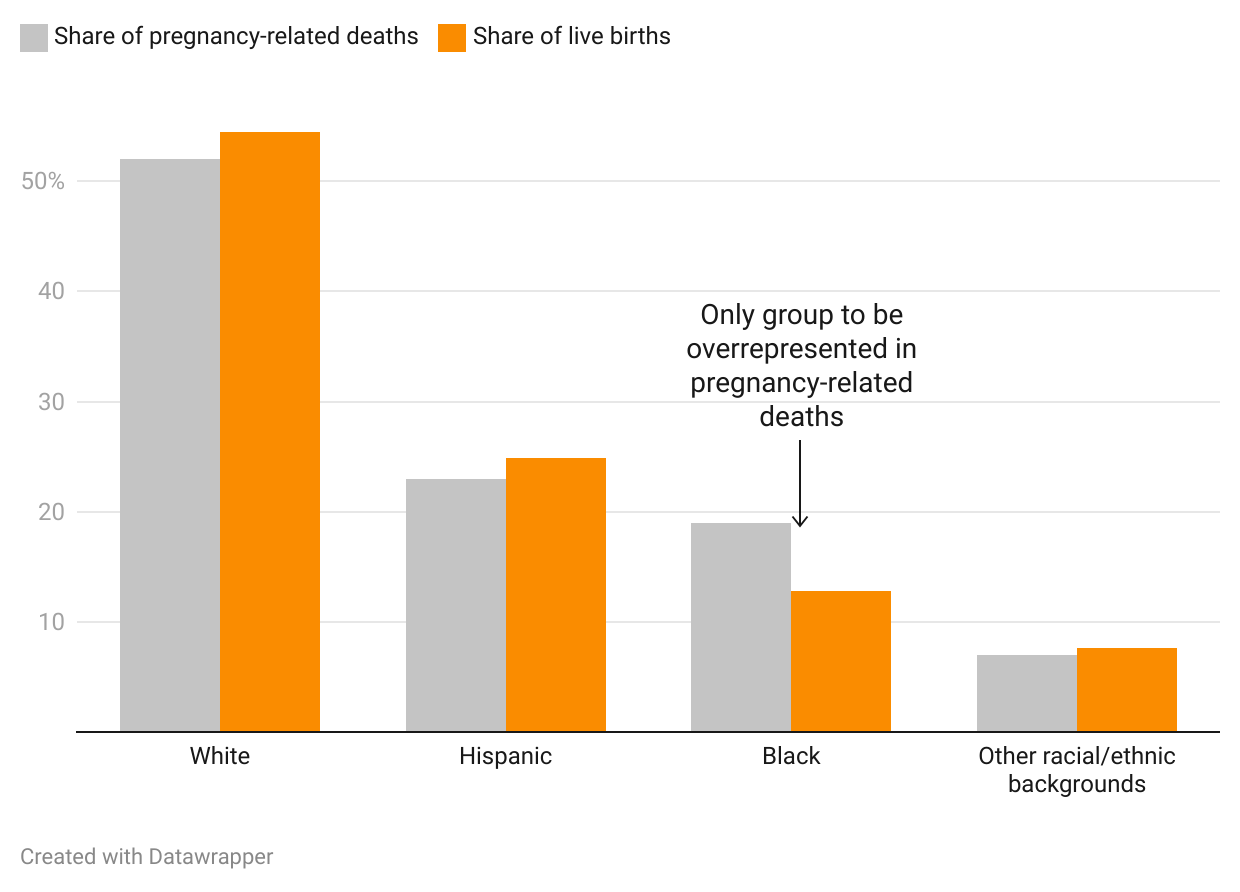
For Black women, pregnancy occurs against the backdrop of disparities in maternal health. And Connecticut is not immune. Despite our state’s reputation for wealth and health, significant differences in maternal outcomes remain. According to the 2026 Connecticut Maternal Mortality Review Committee report, Black people accounted for just 13 percent of live births in Connecticut but 27 percent of pregnancy-associated deaths.
Those numbers are not abstractions. Black women know them. Their families know them. They see these experiences in their communities. The knowledge itself can add another layer of worry to a time that should be filled with joy and anticipation.
Nor can these disparities simply be explained away by education or economic opportunity. National research found that Black women with a college degree or higher were 1.6 times as likely to die from pregnancy-related causes as white women who had not completed high school. Among women with college degrees, Black women were 5.2 times as likely as white women to die from pregnancy-related causes.
Perhaps most troubling is that research has found that more than 80 percent of pregnancy-related deaths are preventable.
We can and must do better.
These statistics can be frightening, and women should know them. But knowledge should empower, not paralyze. Every woman deserves the opportunity to reclaim the joy of pregnancy and to be an active participant in her care.
That means knowing maternal warning signs. It means choosing providers who listen and take concerns seriously. It means asking questions and participating in decisions about the birth experience. When something does not feel right, it means speaking up and being heard.
Healthcare providers have an enormous responsibility, but we cannot do this work alone. That is what I find so compelling about the idea of “Team Baby.” The team extends far beyond the obstetrician’s office or hospital walls. It includes nurses, doulas, behavioral health professionals and other caregivers. But it also includes partners, grandparents, childcare providers, friends, neighbors and others who surround a growing family. You do not need a medical degree to make a difference.
Sometimes support begins with asking a mother how she is really doing, and then taking the time to actively listen to the answer. It can mean offering help, recognizing when someone is struggling or simply making sure that a mother knows she is not alone.
Those moments may seem small however, their impact can be anything but.
The work of building a healthier generation begins long before a child takes a first step. It begins before birth, with healthier, safer and better-supported mothers and families. Every one of us has a place on that team.
Daileann Hemmings is System Director of Maternal Health Equity at Hartford HealthCare.