



As President and Chief Executive Officer of YWCA Hartford Region, and as a member of the YWCA USA Board of Directors, I serve a mission to eliminate racism and empower women. I have never seen that mission come to life more clearly than it did this month.
Recently many women wondered whether the ground beneath them was shifting, yet they did not lose hope. Rights and protections they had fought for came into question, so they organized. And when their value at work, in public life, and in their own families seemed open to debate, they decided to run.
And on November 3, they won. On election night in Austin, Gina Hinojosa, Texas’s first Latina governor-elect, told her supporters, “No one would have imagined that one day, a little girl from the RGV would stand before you here as the next governor of the greatest state, Texas.” Across the country, women who had been underestimated were elected.
Consider Amy Acton. As a young girl in Youngstown, Ohio , she spent one winter living in a tent. She grew up to become a physician, led her state through a pandemic, and in January will become the first woman elected governor of Ohio. She ran on housing and health because she has lived both. In New Mexico, Deb Haaland, a citizen of Laguna Pueblo , became the first Native American woman elected to lead a state, promising childcare families can rely on and homes they can afford.
These women did not ask anyone to vote for them because they are women. They spoke to what every family talks about at the kitchen table. Can I see a doctor? Can I afford childcare? Will my rent go up again? Their message crossed lines of race, party, and region, and voters answered.
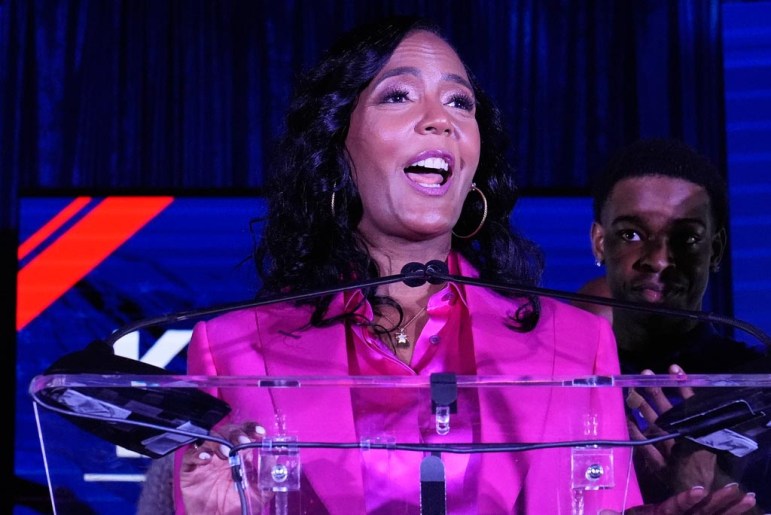
And it was not one party’s story. In Tennessee, Republican Marsha Blackburn became the state’s first woman governor, promising a state “where hard work pays off, where families can put down roots, and where everyone has the opportunity to build a better future.” In Georgia, Democrat Keisha Lance Bottoms became the first Black woman ever elected governor in the United States, saying her win was “for the caregiver who can’t afford healthcare.” Two women from opposite parties, speaking the same language of families and opportunity.
A record 159 women will serve in the next Congress. For the first time, three Black women will serve in the United States Senate at once, and Peggy Flanagan of Minnesota will be the first Native American woman elected to the Senate.
Repeatedly I have heard Americans of every background say this month, “Thank you, Black women. Election after election, you showed up, organized and led. This year, you led the nation to new ground.”
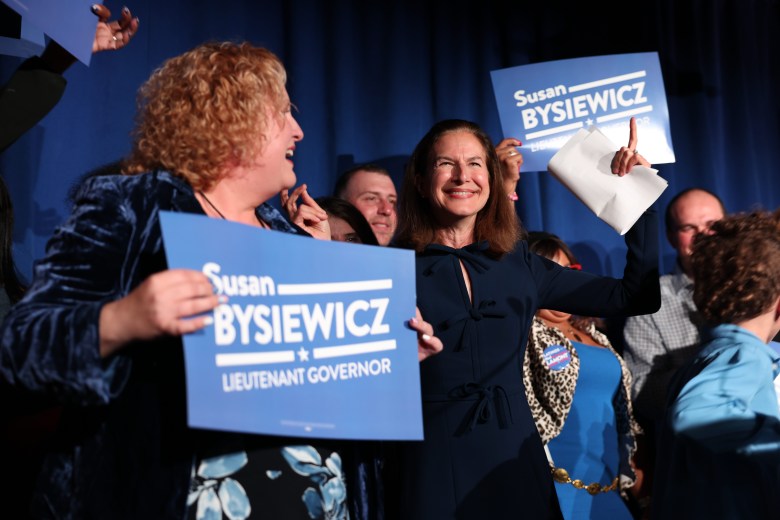
Connecticut answered with steady growth too. By our count, 71 women will serve in our next General Assembly, up from 68. In Greater Hartford, Maryam Khan moves up to the state Senate, and newcomers Tiffani McGinnis of West Hartford and Angie Parkinson, an East Hartford teacher, take their seats for the first time. Lt. Gov. Susan Bysiewicz was reelected to a third term. And U.S. Rep. Jahana Hayes, reelected to a fifth term, said she would start the very next day running to lead the House Education and Workforce Committee.
However, we know that the work does not begin in Washington or Hartford. It begins in our towns. Who serves matters. Through our 50/50 Campaign, YWCA Hartford Region works to make sure municipal boards and commissions reflect the communities they serve. Many of the women elected this month began on a school board or a planning commission. If you have ever wondered whether you belong at that table, know the answer is yes.
That is why this moment brings me such joy. In America’s 250th year, YWCA Hartford Region approaches its own 160th anniversary. Founded in 1867, it opened its doors to young women who came to Hartford for work and needed a safe place to live. At that time, they could not vote. This January, their daughters and granddaughters will lead states and take their places in Congress and our State Capitol. The needs these women ran on, health, housing, childcare, education, and good jobs, are the same needs that bring families through our doors every day. They are important to all.
On election night, Deb Haaland said this moment is not only about history. It is about our future. The people have spoken. Women led the way. Now it is our turn.
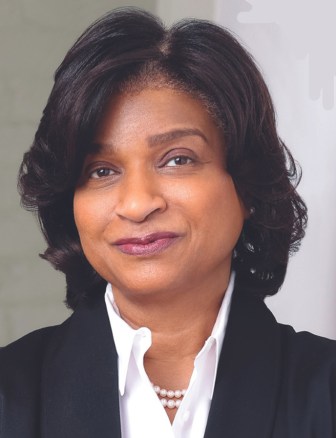
Adrienne W. Cochrane is President and Chief Executive Officer of YWCA Hartford Region, where she also serves ex officio on its board, and is a member of the YWCA USA Board of Directors.