Do you know where your hard-earning savings are going? Now I know about mine, and I’m not happy.
I have taught or advised hundreds of Connecticut college students, while saving for retirement through TIAA, the largest manager of retirement funds for “those who do good in the world:” over 5 million professionals in academia, medicine, culture, and other nonprofits. Like most educators, I certainly thought I was doing good in the world.

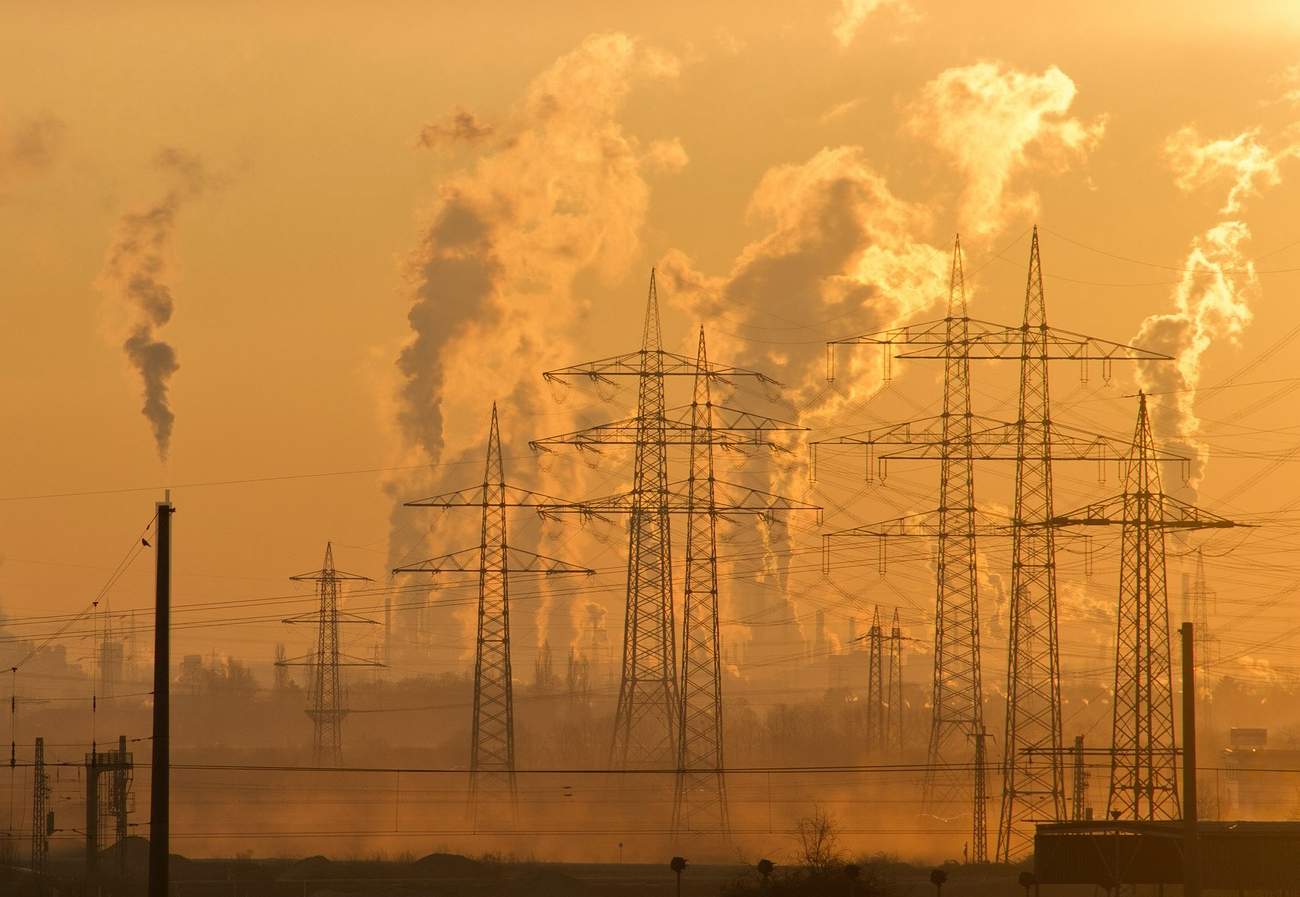
But now I’ve found out where TIAA is putting our money. At least $78 billion of it is being held in fossil fuel investments — the last place I want it to be.
Here’s an example. TIAA is the world’s fourth-largest holder of coal bonds – money that props up the world’s dirtiest energy source. TIAA does not seem to be listening to experts on the dangers of continued coal extraction and burning. As Global Energy Monitor explains, for the world to limit the rise in global average temperature to 1.5 degrees Celsius, “all existing coal plants must be retired” – and no new coal plants can start operating.
Yet , according to the Institute for Energy Economics and Financial Analysis, at least $91.5 million of TIAA’s money is in Adani, which is right now building the Carmichael coal mine in Australia. The mine has faced spirited and widespread opposition from Indigenous groups and environmentalists – enough so that production has been delayed and is now well behind predictions.
With global pledges to reduce greenhouse gas emissions, it is entirely possible that the mine may never produce enough coal to be profitable. It would therefore become a stranded asset, one in which liabilities exceed its value. Recognizing the risk, many other finance companies, including Citibank, Goldman Sachs, and J.P. Morgan, have decided not to do business with Adani. Yet TIAA continues to do so.
It’s not that TIAA is ignoring the climate crisis. CEO Thasunda Brown Duckett leads off the company’s 2022 climate report this way: “We view climate risk as investment risk.”
But TIAA’s plans to mitigate that risk are shamefully inadequate. In May 2021 TIAA committed to bringing its $285 billion General Account to net zero carbon emissions by 2050. But dig a little deeper, and you realize that such a goal, while laudable, doesn’t mean much. Only 30% of the General Account’s assets are subject to any interim targets. Why is that? TIAA says that “inconsistent emissions disclosure and carbon accounting standards” make it difficult to fully measure the carbon footprint of the other 70%. And even the General Account is only a small portion of TIAA’s assets under management, which total $1.4 trillion.
TIAA trumpets reductions in greenhouse gas emissions in its own operations – for example, by installing energy-efficient appliances on its recently renovated campus in Charlotte, NC. I commend TIAA for doing so and I hope that other businesses seek to cut emissions at their own facilities. But greenhouse gas emissions “associated with financial institutions’ investing, lending and underwriting activities” – what are known as financed emissions – “are on average over 700 times higher than their direct emissions.” That is from a report by CDP, an international nonprofit focusing on the environmental impact of companies and governments. For TIAA to focus on the emissions of its own offices, while ignoring the emissions generated through the companies in which it invests billions of dollars, is disingenuous.
TIAA does claim to be concerned with financed emissions and explicitly supports the methodology of the Partnership for Carbon Accounting Financials (PCAF), which has developed “a global harmonized approach to measuring and disclosing financed emissions.” But go to the list on PCAF’s website of the more than 375 institutions that have signed on to the standard. Guess who is missing: TIAA and its in-house asset manager, Nuveen.
My retirement savings may be a drop in the $1.4 trillion bucket of TIAA, but it is a dirty bucket that I want no part of. Instead of securing my future, my money may very well undermine it.
My requests of TIAA are clear:
- Stop, immediately, funding new fossil fuel infrastructure. Although some investments are going to require extra scrutiny, it does not take an investment genius to realize that lending money to an oil or gas company for extraction and refining directly contributes to greenhouse gas emissions.
- Lead efforts to develop consistent measurements of financed emissions. TIAA can do more than “engage with policymakers” and “ask” its portfolio companies to “adhere to . . . best practices.”
- Include all assets under management in a 2050 net zero goal, and set interim targets.
- Start divesting all existing funds from fossil fuels.
TIAA: give me a retirement plan I can feel good about again.
Suzanne Solensky lives in Stratford.