
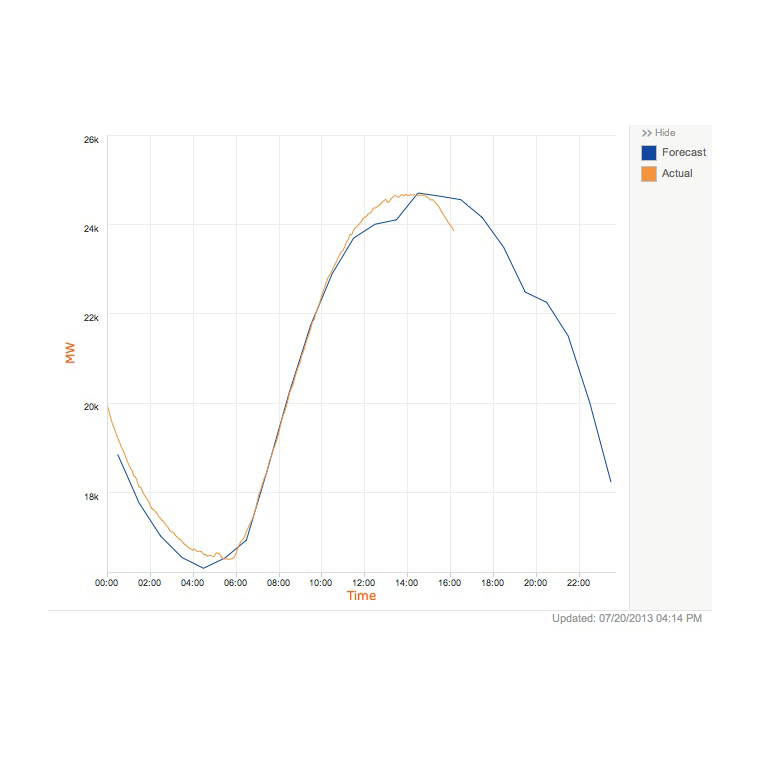

The heat wave seems to have toppled at least one power demand record. A spokeswoman for the Independent System Operator that runs the New England grid – ISO New England – said preliminary results for Saturday showed a peak demand in the region of 24,653 megawatts. If that holds, it will set a new record for weekend power demand. […]

Jan Ellen Spiegel
Jan Ellen is CT Mirror's regular freelance Environment and Energy Reporter. As a freelance reporter, her stories have also appeared in The New York Times, The Boston Globe, Yale Climate Connections, and elsewhere. She is a former editor at The Hartford Courant, where she handled national politics including coverage of the controversial 2000 and 2004 presidential elections. She was an editor at the Gazette in Colorado Springs and spent more than 20 years as a TV and radio producer at CBS News and CNN in New York and in the Boston broadcast market. In 2013 she was the recipient of a Knight Journalism Fellowship at MIT on energy and climate. She graduated from the University of Michigan and attended Boston University’s graduate film program.
Posted inNews
Power demand soars as week ends
The New England power grid was put on “power caution” status Friday afternoon as the region baked for a fifth day. The Independent System Operator that runs the grid – ISO New England – instituted its procedure for a capacity deficiency around noon as power demand zoomed past 27,000 megawatts toward a predicted high of […]
Posted inNews
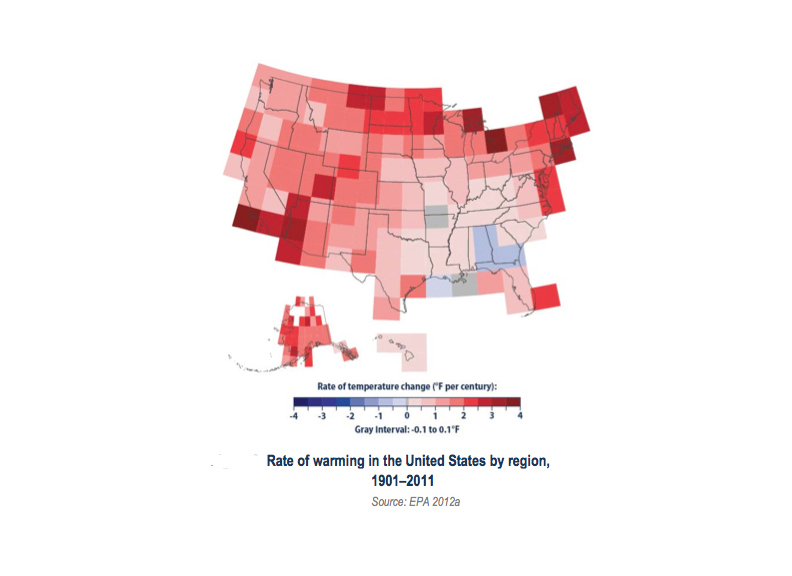
Heat strains region’s power as reports warn of more to come
The independent system operator that manages the New England power grid may be close to dealing with an emergency similar to last year’s shutdown of one of the Millstone Nuclear Power Station units. As ISO New England warns that the current heat wave could push power usage to near record levels by Thursday, it faces […]

Posted inEnergy & Environment
CT shoreline may not be ready for another storm hit
This is the second in an ongoing series of stories that will examine environmental and climate issues affecting the Connecticut shoreline. Waterford — Brian Flaherty trudges up Waterford Beach Park on a spectacular mid-June morning, stopping at a scruffy section of the dune that separates the beach from the salt marsh behind it.
Posted inEnergy & Environment
After outcry, renewable energy project details to be revealed
The approval in 2011 of a revamped commercial renewable energy incentive program in Connecticut was heralded by the industry here, particularly solar companies. For years they’d wrestled with unreliable funding that left them constantly unsure of whether they’d be able to proceed on projects.
Posted inEnergy & Environment
Environmental doings while you were doing other things
While you were scrambling toward the July 4 holiday and probably a lot more concerned about getting to the shore, getting a steak on the grill or otherwise getting away, there were a number of developments worth noting in the world of the environment and energy.
Posted inNews
The hurricane forecast means … wait
So what does the hurricane forecast mean? It mean it is still a crapshoot how the season will turn out. The forecast does not predict where the storms might go or whether they’ll even hit land. And if they hit land, which land. At the risk of taking people off their guard, the Hurricane Center […]

Posted inNews
Storm surge — the hurricane season’s least understood threat
This is the first in an ongoing series of stories that will examine environmental and climate issues affecting the Connecticut shoreline. It was exactly the 2013 hurricane forecast no one wanted to hear: An active to extremely active Atlantic season, according to the National Hurricane Center. Specifically – a 70 percent chance of 13 to 20 […]
Posted inNews
CT ahead of the game on Obama climate plan
President Obama’s big climate action plan announced with great fanfare in a major speech on Tuesday is likely to be a piece of cake for Connecticut, especially on one of its three main components –- cutting carbon pollution. As a member of the Regional Greenhouse Gas Initiative, the nation’s first power plant emissions reduction and […]
Posted inEnergy & Environment, Politics
All’s well that ends well in energy — maybe
The Clean Energy Finance and Investment Authority — the state’s first-in-the-nation green bank –- could wind up getting back all of the $30.4 million commandeered for general revenue. And all $5 million from the Regional Greenhouse Gas Initiative that was to be diverted to general revenue from energy efficiency programs is once again destined for energy efficiency.
Posted inEnergy & Environment
Budget cuts to green bank irk enviros and concern solar industry
It took a day or so for the smoke to clear on the House version of the budget -– and once it did, the energy and environment community was aghast. Funding for the Clean Energy Finance and Investment Authority –- the state’s first-in-the-nation green bank — had been commandeered for general revenue. More than 20 percent was redirected in fiscal year 2014, and nearly all of it the following year.

Posted inNews
Senate, House wrangling over state’s first-in-the-nation GMO labeling
Don Tuller is pretty sure what will happen to his Tulmeadow Farm ice cream business if legislation to require labeling of some genetically engineered foods becomes law in Connecticut. “I think it will probably destroy my wholesale market,” he said. The sweetened milk and cream mixture he buys from Guida’s Dairy contains some corn syrup, […]

Posted inNews
Seaweed: It’s what’s for dinner
Thimble Islands – Brendan Smith sidles his small fishing boat, Mookie, alongside a row of basketball-size black buoys, bobbing barely a mile off Branford in the Thimble Island section of Long Island Sound. “That’s my floating long-line gear and those float on the surface,” he says. And then pointing to what looks like a dark […]

Posted inEnergy & Environment
Funding hampers sewage treatment upgrades post-Sandy
The Environmental Protection Agency’s announcement earlier this month that it was awarding $569 million for improvements to wastewater and drinking water treatment facilities damaged by Hurricane Sandy should have been great news here in Connecticut.
Posted inNews
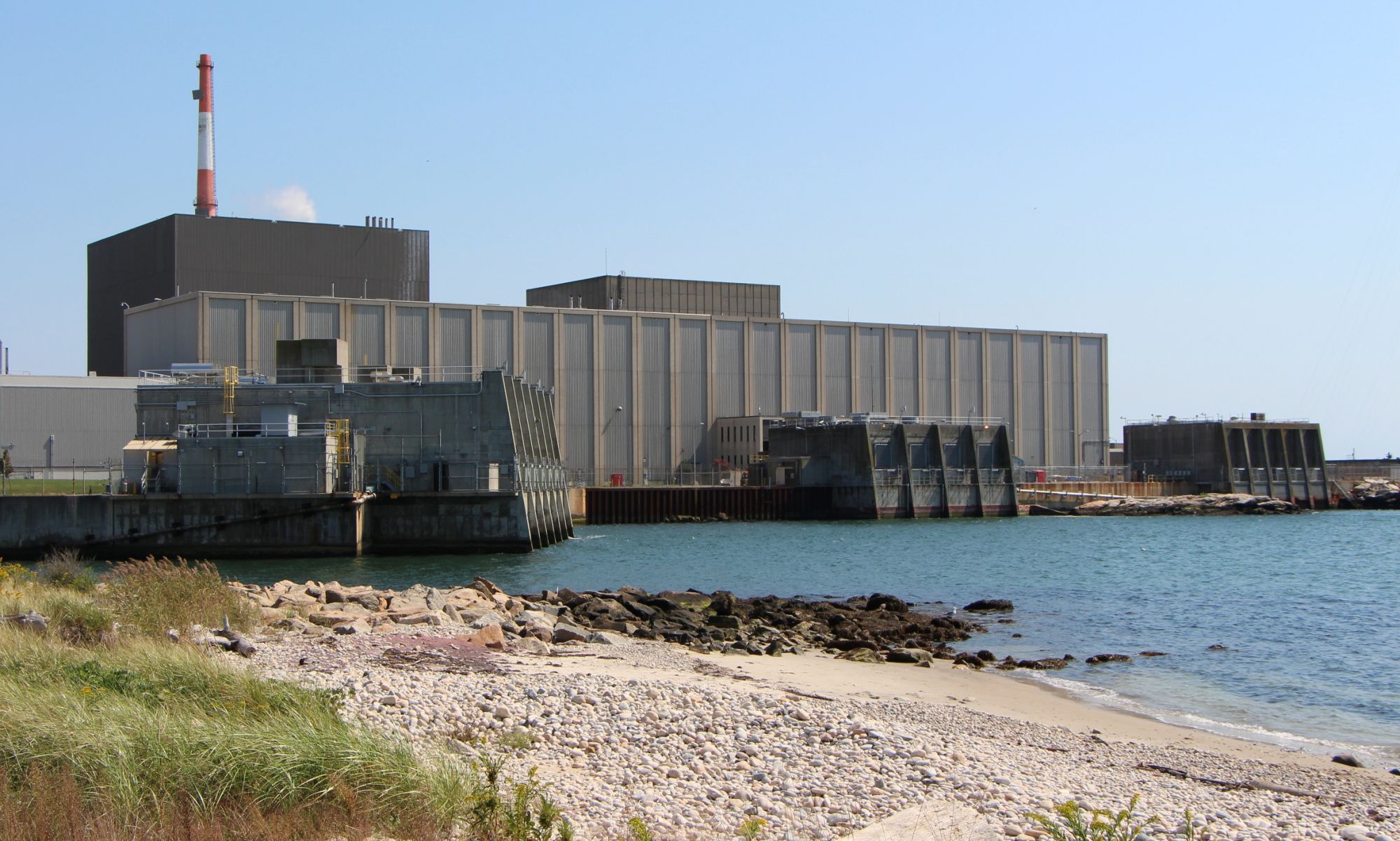
Millstone asks NRC for flexibility to avoid climate-related shutdown
The owner of the Millstone Nuclear Power Station has requested license changes to avoid a repeat of the climate-related shutdown that occurred last summer. In two letters to the Nuclear Regulatory Commission, Millstone’s owner, Dominion, asked that the seawater used to cool its two remaining operating units be allowed to reach a temperature of 80 […]