

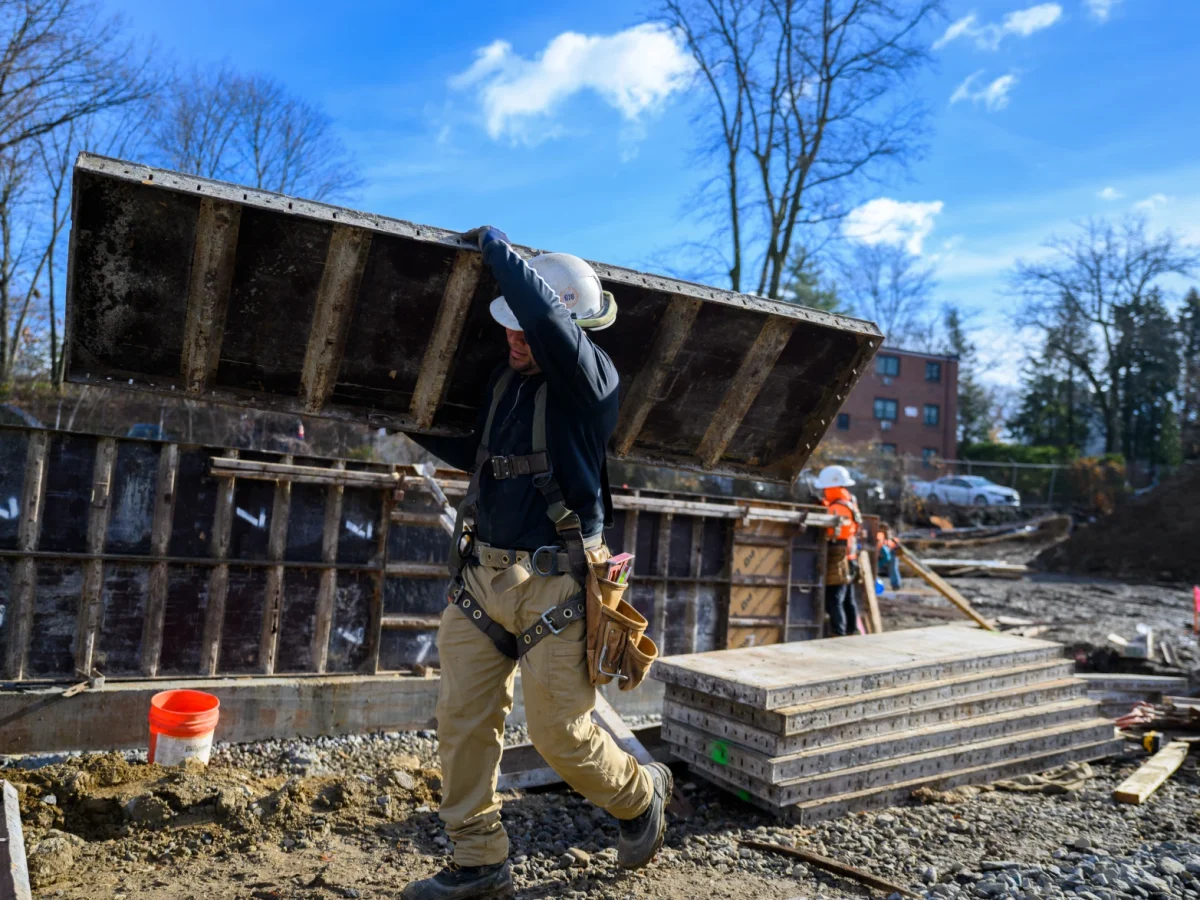
Policymakers must make a moon-shot effort to rebuild the residential construction workforce in order to increase production to the level needed to meet Connecticut’s housing needs.

Jim Perras
Posted inCT Viewpoints
CT’s climate change and housing policy shouldn’t be at odds
The governor’s new climate bill unnecessarily pits climate change mitigation and resiliency against his stated goals of promoting housing affordability.

Posted inCT Viewpoints
The negative impacts of ‘stretch codes’
Unfortunately, good intentions are not immune from unintended consequences. Case in point, Gov. Ned Lamont’s bill to introduce stretch codes to Connecticut (House Bill 5008: An Act Concerning the Establishment of High-Performance Green Building Standards For Voluntary Adoption By Municipalities).

Posted inCT Viewpoints
“Missing middle” can offer more housing choices
How can Connecticut promote economic development, do more to keep its college graduates from leaving and generally improve our quality of life, all at the same time? We could begin by reforming state and municipal land-use laws to encourage increased development of “missing middle” housing, which has become scarcer in Connecticut as demand increases.

Posted inCT Viewpoints
Make CT more accommodating to housing and businesses
With the legislature’s failure to pass House Bill 6749: An Act to Reorganize the Zoning Enabling Act and to Promote Municipal Compliance, Connecticut missed a great opportunity to spur economic development and address glaring issues of housing affordability, diversity and accessibility.

Posted inCT Viewpoints
Taxing home repairs and renovations is bad policy
There are several significant public policy reasons why Gov. Ned Lamont should reconsider his effort to impose a sales tax on the repair and renovation of Connecticut homes. Not the least of which is the regressive nature of the sales tax on services and its disproportionate impact on inner cities, the poor and our elderly on fixed incomes.