



Three recent opinion pieces, “Let’s tax Connecticut’s segregation” by New Haven Mayor Justin Elicker, “Connecticut property taxes define structural racism” by Anne Dichele of Quinnipiac University, and “Ending segregation will stimulate Connecticut’s economy” by Dan Arsenault of Desegregate Connecticut, call for zoning reform for a more equitable society. It is a welcome effort in mitigating the housing crisis, but the matter is complex from historical development predating zoning and cannot be solved by taxing other towns for their failure of meeting impossible state mandates due to geographical limitations.
CT Viewpoints
We welcome informed and responsible commentary about local, state and national public policy from all Connecticut residents and organizations. Submit one here.

Posted inCT Viewpoints
Connecticut needs to make big changes in ‘who does what’ in the electric power industry
Marissa Gillett, Chair of the Public Utilities Regulatory Authority, delivered a blunt message to Eversource in the wake of Tropical Storm Isaias: “Utilities are in the business of delivering reliable service, and the public should know that I’m not interested in their excuses.” But part of the problem is that Eversource has been tasked with juggling two additional lines of business: procuring electricity for default electricity customers and providing them with a variety of energy products and services. We’d be better off taking those jobs away from the utility and limiting their monopoly to maintaining the poles, wires, and transformers that we all depend on.

Posted inCT Viewpoints
For your business or organization, it’s easy being green
The most valuable asset you have is your reputation, and whether you are running a company, organization or municipality, the public’s opinion of you and your place in the world is critical to your success. One area of laser-like public focus right now is environmental stewardship —how responsive your company or organization is to climate change, and what you are doing locally to protect and preserve our environment.

Posted inCT Viewpoints
Connecticut renters face a disaster

As we slip into the dog days of August, momentarily distracted from the pandemic by the outsized devastation wrought by Tropical Storm Isaias, many Connecticut families nervously worry and wait for the next impending disaster. People are worried about losing their home – a lot of people. Without a significant investment in housing assistance and […]

Posted inCT Viewpoints, Talking Transportation
Oz Griebel’s gift to Connecticut commuters

Every commuter on Metro-North owes a tremendous debt of gratitude to one man: Oz Griebel. He is the reason we can ride the new M8 rail cars.

Posted inCT Viewpoints
Trees vs wires — a contest we should not keep having
Tuesday, Aug. 4 was a very bad day for our people and our trees in Connecticut. Close to a million customers of United Illuminating and Eversource lost power – rivaling the outages caused by Hurricane Irene and Superstorm Sandy — and thousands of trees came down.

Posted inCT Viewpoints
It’s time for Connecticut to require every citizen to vote
It is time to require every citizen of Connecticut to vote. As the governor, secretary of the state, state legislators, and registrars around the state address the challenges of making this November’s elections work, we should not lose sight of our election system’s two greatest problems — low voter participation and an electorate that is not fairly reflective of all the state’s people.

Posted inCT Viewpoints
Connecticut Republicans need to get serious about federal candidates
The fiasco of primary eve — in which Thomas Gilmer, the Republican Party endorsed candidate for the Second Congressional District, was arrested for disturbing allegations of domestic violence – highlights yet again the Connecticut GOP’s problem finding candidates for federal elections.

Posted inCT Viewpoints
For Black youth, is democracy hypocrisy?
This country’s cradle-to-prison pipeline needed bypass surgery even before the George Floyd violence videos. Society and its justice system foment destructive patterns of youth development.
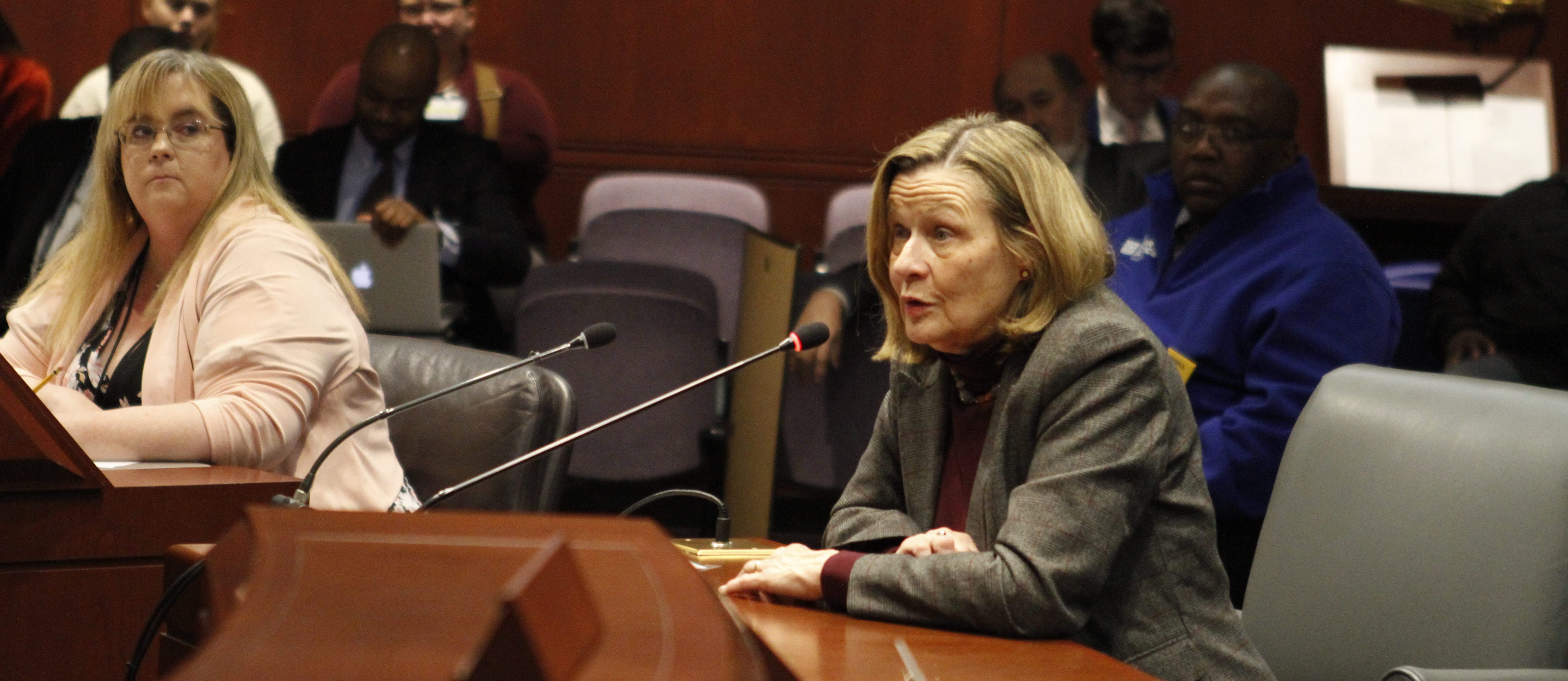
Posted inCT Viewpoints
The public’s voice in the time of coronavirus
As the social and economic pressures brought on by COVID-19 grow, the cracks in many of our time-honored systems are starting to show. One of the most vivid examples of this are the prosaic-sounding -– but vitally important -– rules and regulations for how citizens engage with government and how legislators respond.

Posted inCT Viewpoints
Zoning is not the whole story in ending housing inequity
One reason the single family detached house on a small lot proliferated so widely, at least in the Northeast, is that it was very cheap to develop, requiring no advance investment from the municipality.

Posted inCT Viewpoints
Reopening schools in CT: A return to Gilead
Gilead, a biblical land rich in spices, balm, and myrrh, is a common allusion in literature. It is on the river Jordan, and is famed far and wide for the aromatic balsam produced there that soothes and heals. Our home state of Connecticut is often viewed similarly, as a bucolic place of peace and comfort. Yet here, in Connecticut, instead of healing and protecting, we are deliberately jeopardizing our young and putting our teachers in peril, all because our governor and his cronies are pushing to reopen schools in person.

Posted inCT Viewpoints
Why no pre-storm planning? Why such high electric rates?
Calls are coming from all quarters for an investigation of Eversource and how badly prepared the company was for Tropical Storm Isaias. The loudest outcry comes from Gov. Ned Lamont and officials of the Public Utility Regulatory Agency (PURA). As the governor and PURA regulators thump their chests in outrage, I want to ask: didn’t Eversource apprise them of their preparations, or lack thereof, in pre-storm meetings? Oh, wait. There weren’t any pre-Isaias meetings, were there?

Posted inCT Viewpoints
Housing is healthcare and Connecticut needs more of it
While debating a long overdue relief bill, a choice has been presented between preventing a catastrophic wave of evictions and housing those who are already experiencing homelessness. This is a false and harmful choice.

Posted inCT Viewpoints
Ending segregation will stimulate Connecticut’s economy
In general, legislators, advocates, government officials, and others tend to agree in theory that affordable housing is important when it comes to supporting our state’s most vulnerable, spurring economic development, and diversifying our towns and cities. However, the exact methodology by which Connecticut could implement meaningful reform is often a point of great contention.