



For homeowners looking to put solar panels on their roofs, the main goal is usually pretty clear: saving money on electric bills. But installing solar can sometimes come with complications.
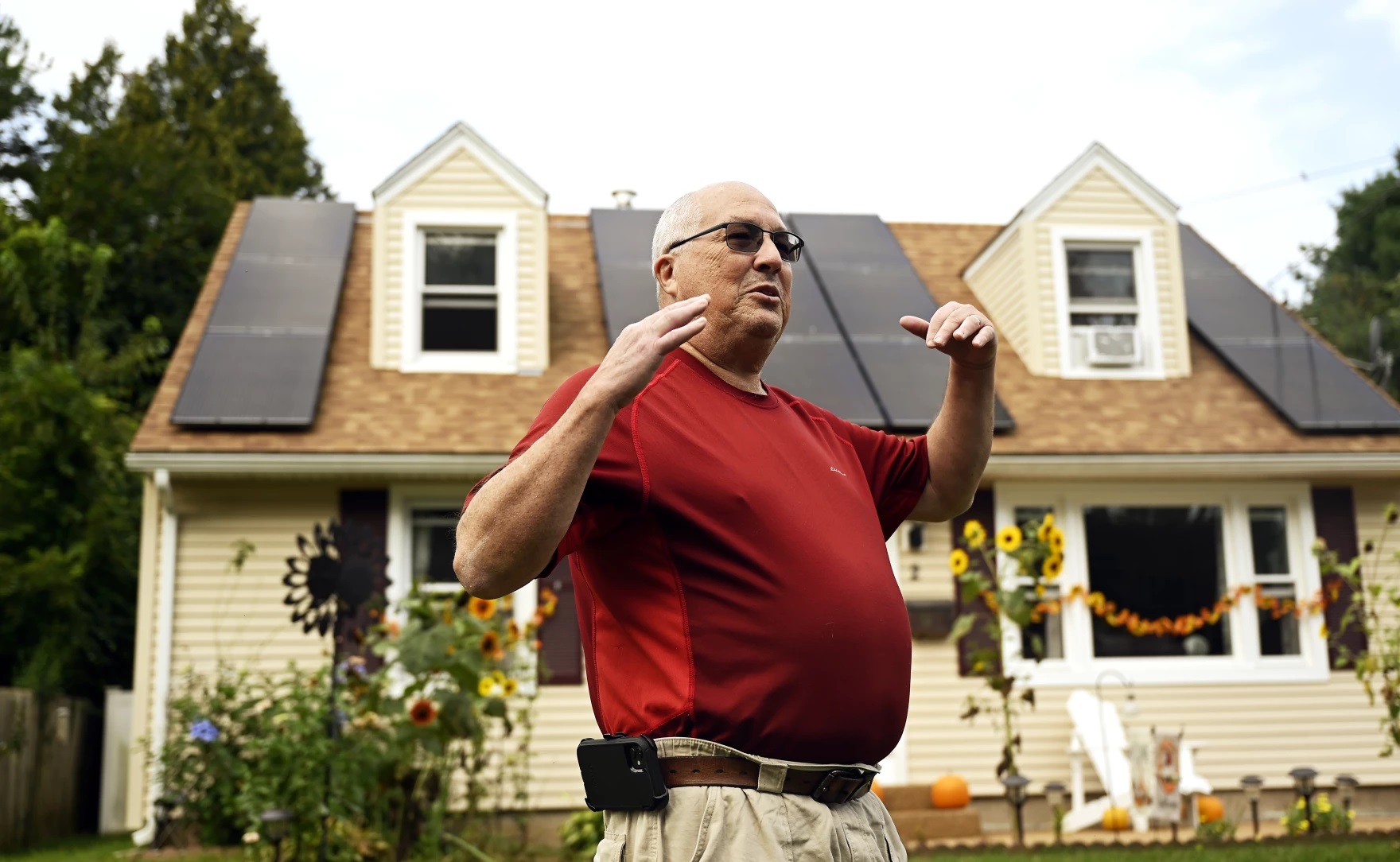
On a corner lot in Enfield, George St. Amand has a two-story house with a pretty flat roof in the back. Not great, because solar panels work best at an angle. So for a while, he said, solar companies kept shooting him down.
“Every time I went into, like, Home Depot or Costco or some of the other places where they have the little booths of solar people, I’d say, ‘Hey, I’m interested!’” St. Amand said. “For many, many, years, I kept getting the same story, that they couldn’t do it.”
But then, he found a company that said it could.
“They pulled up to the house, and they said, ‘Yeah, there’s enough pitch, we can do it.’ And I’m like, ‘Great.’” I signed up … and the agreement was I’d be paying so much a month, because it’s basically a lease.”
And those agreements? They can be complicated, involving national solar companies, local contractors and lenders. St. Amand signed a nearly 30-page contract. But he said he’s pretty satisfied with the deal, especially in the summer.
“I’m saving about $50 a month over what I was during peak time,” he said. “So, I think that’s a win.”
The solar industry has been growing in Connecticut, fueled by cheaper technology and new payment models. Last year alone, more than 5,000 people installed rooftop solar panels.
But the rise has also left some homeowners vulnerable. Connecticut Public reviewed several dozen complaints filed with the Department of Consumer Protection since last year. It’s a relatively small number. But the complaints were from homeowners who said they were promised financial benefits that never materialized. Others signed contracts they didn’t fully understand.
“These agreements are 20 to 30 pages long. They contain a lot of legal information,” said Ed Kranich, with the Connecticut Green Bank, which uses public dollars to leverage private investment in clean energy.
“It’s pretty complicated, some people just don’t get it or, maybe a salesperson will explain it to them and they don’t remember,” Kranich said.
If you’re thinking about going solar, you can buy or lease the panels. Or, in an arrangement that’s similar to a lease, you can buy the power those panels make, while the system is owned and maintained by someone else. That’s called a Power Purchase Agreement, and it’s what St. Amand did.
But his system operator is based in Texas, which meant that when his panels stopped working on two separate occasions, he had to call an out of state company who then had to call someone in Connecticut to fix it.
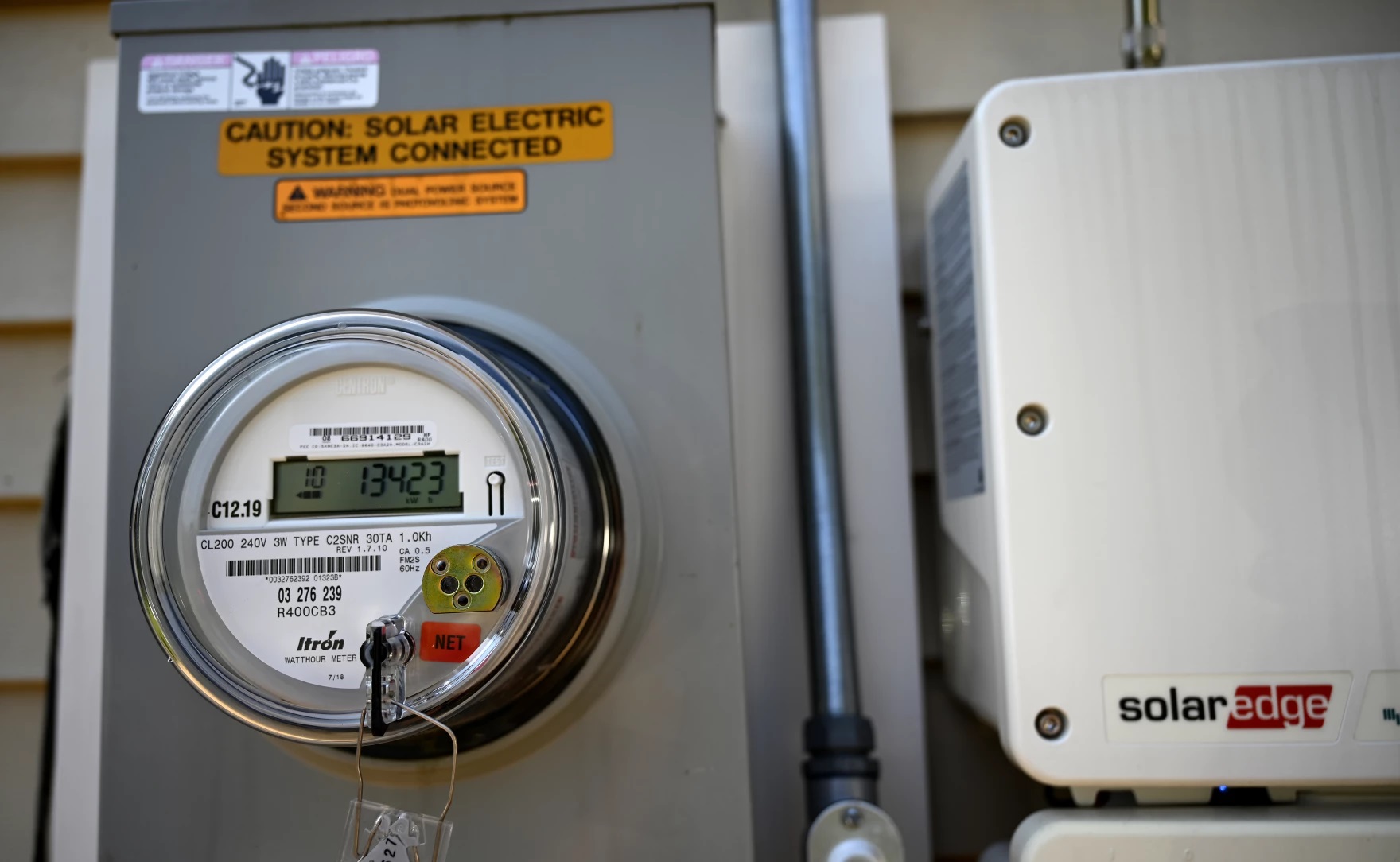
All that phone tag took a long time.
“So I call them and they say, ‘Well, we have to research it.’ I’m like, ‘OK,’” St. Amand said.
All told, St. Amand said the second time his panels broke, he wasn’t producing any power for about a month. But, eventually, he got a credit on his bill for the missed production.
Kranich said it’s important for consumers to figure out what a company will do if the panels don’t work and what their bills will look like over the term of their agreement.
Luke Frey, of the Better Business Bureau, said there’s a common theme running through the complaints he’s seen in Connecticut.
“A lot of people complain that it actually cost them more money than they thought it was going to,” Frey said. “People feel like they are almost guaranteed to be producing all of this solar power if they get solar panels on their home. And that’s not always the case.”
His advice?
“You really need to be asking about … how well are they going to be able to produce energy. How much direct sunlight does my roof get every day?” Frey said. “Do research online and see what people’s reviews are of these companies.”
Advocates said other states have adopted some important consumer protections, like creating mandatory disclosure forms, and setting up a process for complaints.
St. Amand said it wasn’t always clear to him whom to call when he had to complain, but now that the problem is fixed, he’s happy with his decision to go solar.
“If you have the exposure and you get enough sunlight, I’d say do it. It’s worth it,” St. Amand said.
As long as the panels work.