



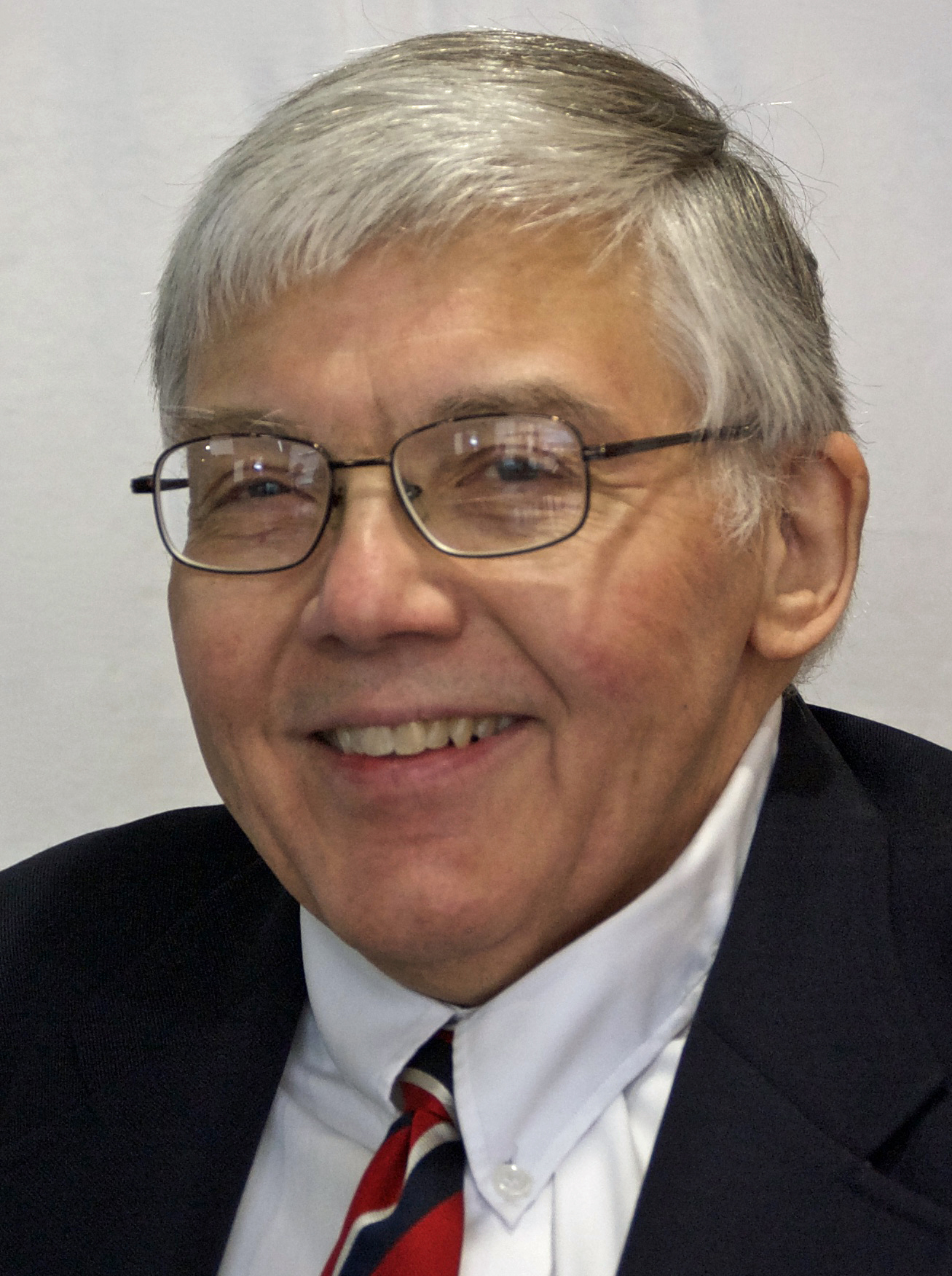
My last interview on that October date was with the chancellor. I had applied for the position of Vice Chancellor of Academic Affairs at the Connecticut State University System. After a grueling day of presentations and interviews, the search consultant ushered me to an interview with Bill Cibes.
It was at the same time a challenging and refreshing session. I knew right then that I wanted the Vice Chancellor’s job as an opportunity to work with a boss like him. He asked none of the usual questions addressing my accomplishments and professional background. Instead, we talked about concrete and present issues, and probed my mind on how I would approach them. It was not about coming up with cookie-cutter steps but about thinking through strategies and possible solutions. It was about using reason to identify the most appropriate direction. Watching his mind at work it became apparent he was someone who sought input, who welcomed inquiry and who would be respectful of the opinion of others. I was not wrong.
Bill was my boss for over five years. When he retired, I did not hesitate to tell him that he was the best boss I ever had during my many years as an administrator in higher education.
Bill always asked questions because he was inquisitive by nature. While his intelligence was above anyone I knew, he clearly wanted to continue learning. Before responding, I needed to resort to all knowledge and analysis at hand, usually having to research and consider a wide range of information that could shed light on the issue or purpose at hand. He would listen attentively, take notes, and use my contribution as starting point for his own search and exploration, until he was fully comfortable.
He appreciated everyone’s input. His cabinet meetings were the most inclusive I have ever witnessed. He would pose a challenge and seek everyone’s opinion, truly everyone’s. It was not only the direct reports who would offer their perspectives, it was also several middle managers who were present during those meetings. Bill would listen, write their input down, and consider everything said. He did not believe in top-down approaches, but in the need to consider everyone’s voice.
[RELATED: Bill Cibes, a force in CT politics and higher education, dies]
He usually stayed late in the office, and I often found him doing his own photocopying, or wiping the snow off a car of a colleague on crutches. He worked harder than everyone else. He was not afraid of complex questions and complex answers. He sought the deepest and most detailed sources. Yet his presentations were unique in their crisp clarity and reflection of principle.
Bill always gave credit and acknowledged those who had helped him or provided him with the data or materials he needed. I never saw him steal the limelight from anyone else.
One of the qualities I most appreciated in Bill was his conviction and skill at protecting the academic side from political intrusiveness. During my tenure we answered many questions from the legislature and numerous interest groups at all levels, but Bill never issued a directive to be imposed on the academic side. We disagreed on several occasions and sometimes he did not support my recommendations, but his tenor was always embedded by his characteristic respect of others.
Bill was a master on policy, budgets, data analysis, and had great understanding of broader issues in our state and nation, such as promoting affordable housing and the need to have a strong press that incorporates investigating reporting as safeguard for democracy.
After his retirement I often spoke to him and sought his perspective many times. I always loved talking with him about politics and events of the day because of the depth of his insight and his vast knowledge.
As The New York Times wrote about him many years ago, he was indeed CT Management Maestro. But also, someone who valued diversity and believed that ensuring access to education and better life opportunities were a must.
Bill fully personified the words of the 15th Century Spanish poet Jorge Manrique in the couplets he composed on the death of his father.:
“What a friend to his friends, what a master to servants and relatives,
What an enemy of enemies, what a master of the brave and brave,
What a sense to the discreet, what a grace to the gifted,
What a reason, how kind to subject, and to the brave and harmful, what a lion!”
I came to Connecticut after Bill Cibes offered me the job of Vice Chancellor over 20 years ago. Like that of most people, my life has been shaped by layers formed by experiences and people I have known and interacted with over time. I am a better human being because I worked with Bill, who cared deeply about Connecticut, about education and about a system of accountability and fairness that works for the good of all.
Estela Lopez lives in Manchester.