


This story has been updated.
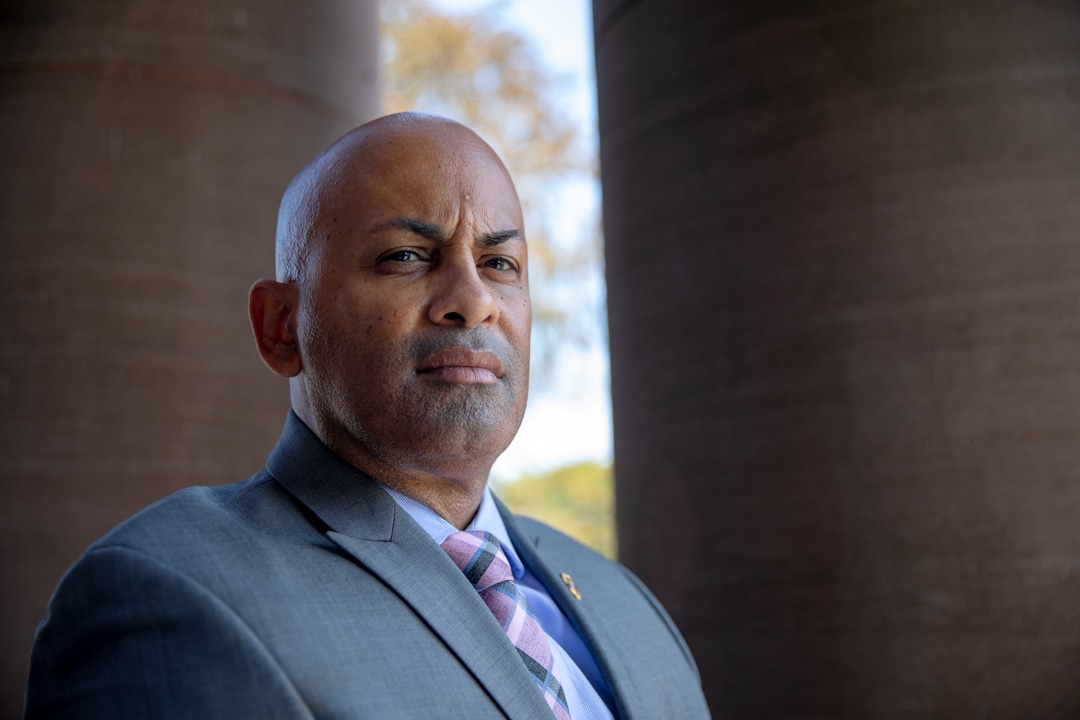
Department of Correction Commissioner Angel Quiros, who was appointed as COVID was upending the correction system in 2020, will be retiring on May 1, he told department staff on Thursday.
Quiros’ tenure marked a tumultuous period for the department, from COVID complications to the permanent closure of a number of prisons, reports of multiple drug overdoses, allegations of sexual assault of inmates and of correction officers, untimely deaths and the appointment of the department’s first independent watchdog.
“This decision was not made lightly,” Quiros wrote in the memo. “The department has been more than a workplace — it has been a community and, for many years, a second home.”
Quiros was appointed commissioner by Gov. Ned Lamont in June 2020. He has worked in the Department of Correction since 1989, beginning as a correction officer and rising to the ranks until he became deputy commissioner under Rollin Cook.
Quiros’ tenure began during the COVID-19 pandemic, when incarcerated people were put at high risk of contracting the disease because of the close quarters they live in. By January 2021, nineteen incarcerated people had died from the virus, raising questions about the system’s ability to protect people who had preexisting medical conditions.
Quiros also oversaw the closures of Northern Correctional Institution, Willard Correctional Institution and Radgowski Correctional Center as the prison population declined.
Quiros has supported the installation of body scanners in prison facilities to replace strip searches, something that advocates have called for for years. He also supported free electronic messaging for incarcerated people when Lamont proposed eliminating this from the budget.
Recently, the Department of Correction came under scrutiny in response to an audit raising issues including medication not being provided on time and questions about employee training. A report from the Corrections Ombuds detailing unsanitary conditions in the facilities, delays in necessary medical care and staffing shortages that regularly confined incarcerated people to their cells has also raised concerns among lawmakers and advocates. And the results of a four-year investigation into allegations of sexual assaults on incarcerated women by corrections officers has prompted new legislation to codify federal guidelines on sexual assault reporting into state law.
In a statement on Friday, Lamont praised Quiros’ record as commissioner and thanked him for his years of service.
“Working in our correctional facilities is challenging public service that plays an important role in maintaining the safety of our communities,” Lamont said. “Over his 37-year career, Angel has been a steady and thoughtful leader, supporting correctional staff and helping guide efforts that strengthen facility safety while advancing meaningful reforms.”
Logan Williams, a spokesperson from AFSCME Council 4, which represents corrections workers, said in a statement that the union extended its best wishes to Quiros in his retirement.
“While we did not always agree on every policy or decision, we recognize and appreciate his many years of public services to the State of Connecticut,” the statement read.
Barbara Fair, the executive director of Stop Solitary CT, told CT Mirror that when Quiros was first appointed, he wasn’t willing to speak with her. Five years later, she said, she is able to sit down and talk with him about ways to reform the current prison system.
Fair said that she’s not under any illusion that the Department of Correction will be transformed by the arrival or departure of a single person.
“One person didn’t build the system, and removing one person from it is not going to disrupt it too much,” she said.
She said she hopes the next commissioner will be able to pick up where Quiros left off — able to sit down with advocates and discuss the changes that need to be made in the department.
“Someone to actually hear us … actually hear what we’re saying, and who is committed, truly committed, to making this a better system,” Fair said.
This story has been updated to include a comment from AFSCME Council 4, the union representing correction officers.
