Posted inCT Viewpoints

CT juvenile centers must operate with understanding of trauma

The recent report from the Office of Child Advocate states that the vast majority of children and youth at the Connecticut Juvenile Training School and Pueblo have “histories of trauma, abuse, neglect, complex psychiatric disorders and special education needs.”
It then goes on to detail the use of isolation and restraints as behavior management strategies or for discipline even in non-emergency situations. I want to start by saying those charged with rehabilitating and treating this vulnerable population face difficulties and challenges. But are cycles of punishment that go nowhere and only harm our youth any better? I say no, and I offer an alternative: operating from an understanding of the impact of trauma.

Posted inCT Viewpoints

A battle for the soul of juvenile corrections shapes up in Connecticut

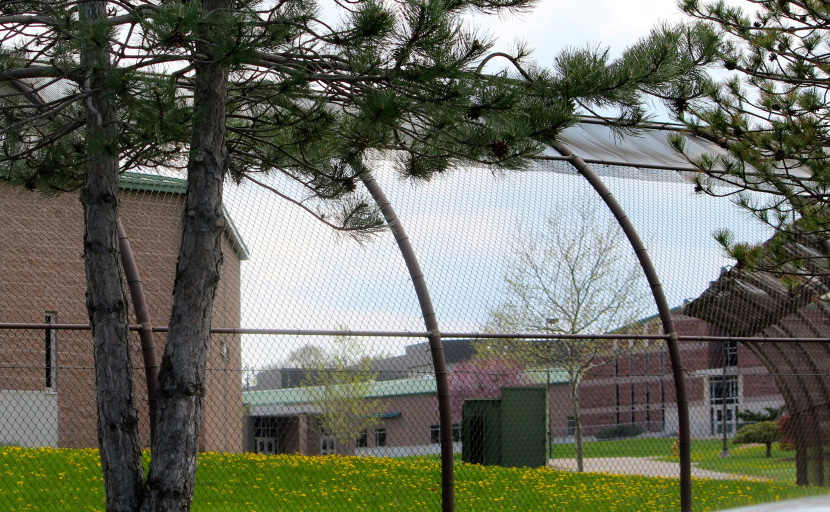
At the end of a grueling three-hour hearing on Aug. 21, state Rep. Toni Walker, chair of Connecticut’s Juvenile Justice Policy and Oversight Committee, laid the issue on the table. Referring to the Connecticut Juvenile Training School, Connecticut’s only state-run youth corrections facility for boys, she asked, “The real question is, does Connecticut need CJTS? [Does the facility provide] the level of care that we really require in this state? Is CJTS the best method of delivering the needs for that population?” These questions are being hotly debated in Connecticut thanks to new revelations of a rash of suicide attempts and pervasive use of physical restraints and seclusion, both at CJTS and in the small Pueblo unit that opened nearby last year to serve troubled girls.

Posted inEducation

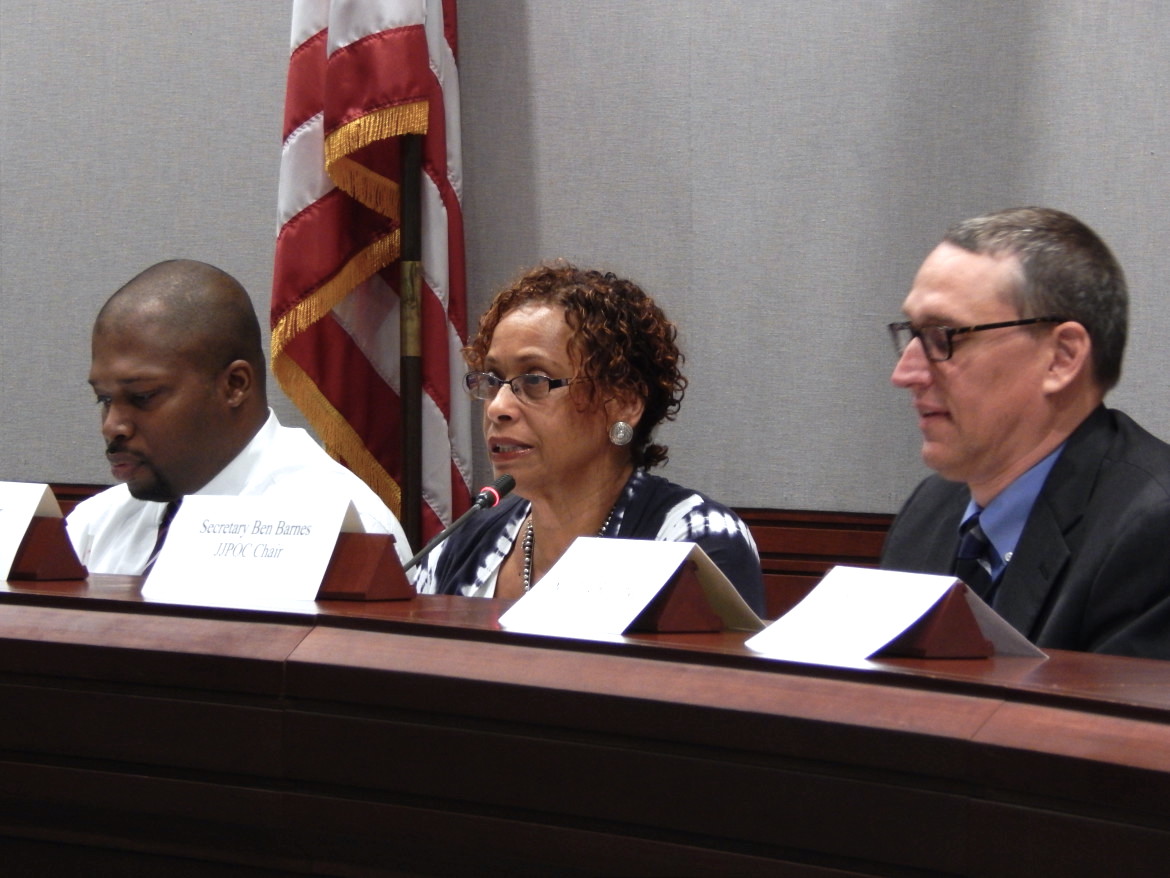
Panel probes future of CT’s juvenile jails

Discussion by members of a key oversight committee examining conditions at the state’s juvenile jails centered on some fundamental questions: Do young people – many of whom have psychiatric needs and histories of trauma – leave better off than they came in? Can the facility’s problems be addressed through better staff training or programs, or are they symptoms of problems inherent in the jails?

Posted inCT Viewpoints

Connecticut’s juvenile detention program needs reform

Sexual abuse. Physical abuse. Emotional abuse. Neglect. Sex Trafficking. Community violence. Violent deaths of family and friends.
This is just a partial list of the traumas that many – if not most – youth who become involved in the juvenile justice system in Connecticut have experienced in their short lives. No wonder that they become willing to act “by any means necessary” in order to survive and protect those close to them — even if this lands them in juvenile prisons such as the Department of Children and Families’ Training School for boys and Pueblo Unit for girls.

Posted inCT Viewpoints

Close the Connecticut Juvenile Justice Training Center

In a scathing 68-page report released July 22, the Office of the Child Advocate reported on its findings after an investigation of the Connecticut Juvenile Training School over the past 18 months. OCA conducted site visits and interviewed staff and residents; viewed videotapes; and analyzed facility reports, educational attendance data and treatment plans. The youth prison model embodied at CJTS can’t be fixed. CJTS should be closed and here’s why:

Posted inCT Viewpoints

Call for DCF’s Katz to resign is about children, not politics

Recent reports concerning the Department of Children and Families, along with Commissioner Joette Katz’s long history of failure, misplaced priorities and lack of transparency and accountability, leave me with no confidence in her willingness or ability to openly and seriously confront critical issues within her agency. That’s why I felt compelled to call for her resignation.

Posted inCT Viewpoints

CJTS is no place for traumatized kids

The Office of the Child Advocate’s report on the Connecticut Juvenile Training School reveals conditions requiring decisive action to keep youth safe. It is encouraging that the Department of Children and Families recently released its own report on CJTS acknowledging problems with the facility. Both reports leave me convinced that many of the youth at CJTS simply do not belong there.

Posted inCT Viewpoints

In Connecticut juvenile justice, children get many second chances

A two-part series in the Connecticut Mirror this week asked the question of whether youth who break the law in Connecticut receive a second chance. It focused on the relatively small share of youth in the juvenile justice system who are placed in secure settings rather than the vast majority who receive services at home and in the community. What the article left out is that youths who are committed by Juvenile Court judges to the Department of Children and Families and placed at the Connecticut Juvenile Training School have received many second chances before that point.

Gift this article