

I am the president of the board of directors of the Arc Connecticut, the state’s oldest and largest advocacy group for people with intellectual and developmental disabilities (I/DD). I am writing to applaud the efforts of several key legislative leaders for the part they are playing to preserve funding for people with I/DD despite the State’s increasingly difficult budget situation.
social services

Posted inCT Viewpoints
Lawmakers should consult the disabled community on this
Barriers faced by people with disabilities are often not understood by those who are not disabled; living with dignity, respect, and independence is a daily challenge. … An important but less obvious barrier is the use of inappropriate language; words such as “lame,” or “retarded” remain in popular use. Disabled people are among the last minority groups where discrimination and inclusion are under-recognized issues. …
Drafting SB796 “An Act Concerning the Use of Respectful and Person-First Language,” the state attempts to encourage the use of respectful language.

Posted inCT Viewpoints
Cost to Connecticut taxpayers of a homeless person for a year: $33,000
What price homelessness? Can you put a price tag on what it means to lose your housing? Apparently, you can. The Commissioner of the Department of Housing recently testified at a public hearing that it costs the state of Connecticut $33,000 if a person who becomes homeless stays homeless for a year. The $388,000 proposed […]
Posted inCT Viewpoints
State and federal budget cuts leave those in need behind
Connecticut’s Community Action Agencies are facing state and federal budget cuts unlike anything we’ve seen in our 50+ year history of serving low-income and working poor individuals and families. Last month over 200 CAA network staff, board members, and customers attended Community Action Day at the State Capitol to make their voices heard against these cuts, which will severely impact our ability to effectively serve Connecticut’s most vulnerable residents.
Posted inCT Viewpoints
Cuts to senior citizen programs don’t just hurt seniors
Supporting seniors at home is not just a senior issue, it’s an inter-generational one. As a college student —and family caregiver for my grandmother— I am deeply concerned about the governor’s budget cuts that make it harder for older adults to age with dignity at home.

Posted inCT Viewpoints
There are better budget options than raising taxes and cutting services for poor, middle class
A common-sense approach to the state’s challenges is one that includes new revenue in addition to strategic spending cuts that does not ask low- to moderate-income residents to disproportionately shoulder the responsibility of our collective challenges and that supports the state’s long-term economic health.

Posted inCT Viewpoints
Shifting services to community can make state’s human services better
The huge state deficit means there is a stark choice ahead for legislators: Preserve an antiquated system and balance the budget with brutal spending cuts that eliminate services for thousands of the state’s most vulnerable individuals. Or take the opportunity to update and modernize the state’s delivery of services in a way that maximizes dollars and provides the vital care that some families have waited for years to get.
Posted inCT Viewpoints
Families of disabled children need better access to respite care
A father of twin autistic boys is urging legislators to support Sen. Terry Gerratana’s bill that would enable DDS workers help families of disabled children and repurpose closing regional centers into respite care centers so families can continue to care for their loved ones at home.

Posted inCT Viewpoints
Connecticut’s independent living centers save money
Thousands of individuals across Connecticut turn to the state’s Independent Living Centers each year for services that provide living skills and support their access to housing, employment, health insurance and medical care. We urge the General Assembly to renew its support for independent living centers, because providing services that help individuals with disabilities live their lives and be contributing members of our society is good for those individuals and good for our community.

Posted inHealth, Money
How health care and Medicaid fare in Malloy’s budget

About 9,500 parents would lose Medicaid, fewer seniors would receive home care, mental health and substance abuse treatment providers would receive millions of dollars less from the state, and school-based health centers would see a 10 percent funding cut under the budget plan Gov. Dannel P. Malloy proposed Wednesday.
Posted inCT Viewpoints
Adequate DCF funding critical to breaking cycle of abuse
There is no higher priority than the well-being of our children. Our future and theirs depend on decisions we make today. That’s why it is essential that Connecticut’s legislative leaders support a key budget item to protect the most vulnerable of our children by affirming the governor’s recommendation to protect the budget of the Department of Children and Families (DCF).
Posted inHealth, Money
Nonprofits say privatizing social services could save CT $1.3B

Hoping to stave off cuts in the next state budget, nonprofit social service providers said privatizing an array of services for the intellectually disabled and mentally ill could save more than $1.3 billion in total over the next three years.
Posted inCT Viewpoints
Nonprofits must be part of CT health, social service and budget solutions
Amid the negativity and divisiveness this election season, one issue has brought together Americans from across the country and both sides of the political aisle: the role of charitable nonprofits. In a recent report, nearly three quarters of those surveyed said they trust public charities with their checkbooks more than government and want to see expanded access to charitable giving.

Posted inCT Viewpoints
Join Connecticut’s effort to end homelessness

On Jan. 24, 2017, the Connecticut Coalition to End Homelessness (CCEH) seeks volunteers to join us in this year’s national census of homelessness, the Point-in-Time (PIT) count. The PIT Count is an important annual exercise to count the total number of homeless on a given night across Connecticut and the country.
Posted inCT Viewpoints
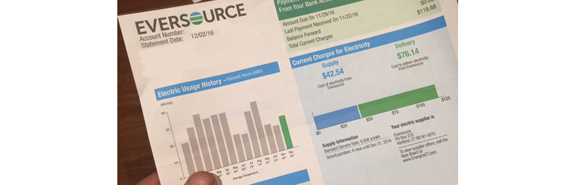
Needy families suffering; CT’s high electric rates must be addressed
If faced with the choice to feed your family or keep them warm, which would you choose? If you had to choose between buying medicine and paying your light bill, what would you do? For thousands of families across Connecticut, these are the cold realities they face each and every day during the winter months.