Connecticut position as the leader in Children’s Dental Medicaid is in jeopardy. Gov. Dannel Malloy’s April 2016 budget proposal calls for a 10 percent cut to Children’s Dental Medicaid reimbursement rates and reduces eligibility for HUSKY A Parents to 133 percent of the Federal Poverty Level (FPL). Our state made significant strides from the low access to dental care for Medicaid-enrolled families in 1999 to the present and we cannot let this success to be rolled back.
social services
Posted inCT Viewpoints
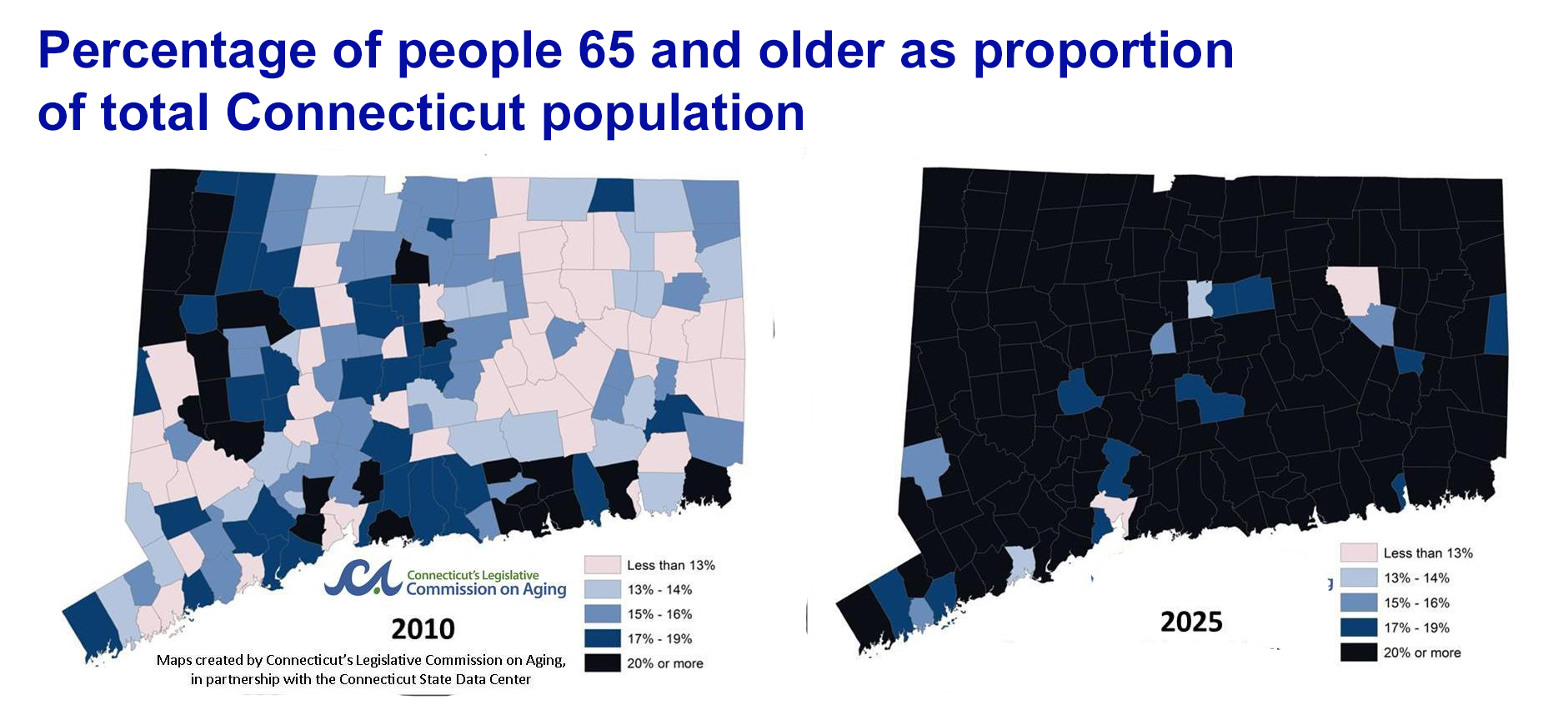
An aging Connecticut needs the Legislative Commission on Aging
In 2013, Connecticut’s legislature took a bold and smart step. It created an ongoing, statewide initiative to help Connecticut communities be more aging-supportive. It charged Connecticut’s Legislative Commission on Aging with leading the way. Then, this year, in a shocking move, the Appropriations Committee budget, and consequently the governor’s revised budget, targeted the Commission on Aging for elimination, at the very moment the 23-year-old commission has catapulted Connecticut into national and international recognition for its achievements.

Posted inCT Viewpoints
Behavioral health calamity threatening seniors in CT and elsewhere
The tsunami that devastated Thailand and much of Southeast Asia began as a wave of 6 inches. Rolling across the vast expanse of the Pacific Ocean that small wave grew until it reached landfall and destroyed entire towns and communities, killing over 250,000 people. A similar wave and devastation are possible for our increasing senior population with the lack of attention they are receiving in behavioral health.
Posted inCT Viewpoints
Why legal aid lawyers matter to Connecticut
In an ideal world, perhaps we wouldn’t matter. People would not need to access the judicial system to resolve disputes or protect their rights. They would not experience discrimination. Tenants would be able to have reasonable discussions with their landlords and arrive at an outcome acceptable to all parties. Unfortunately, we do not live in an ideal world.
Posted inCT Viewpoints
Expediting childcare for homeless kids is right for all of us
Over 1,000 families and more than 2,000 children were homeless in Connecticut over the course of 2015. It is best for the health of these families — particularly for their children — and less costly for our communities to resolve family homelessness quickly by helping these families stabilize their lives. To do so requires streamlining access to quality childcare for these children to help them through a difficult period, while freeing their parents to find work or sign up for needed employment training, and secure permanent housing as quickly as possible.
Posted inCT Viewpoints
Connecticut needs to support quality child care, better pay for child-care workers
In response to “Child care funding: A choice between the struggling and destitute,” I agree that our state shouldn’t be leaving its most vulnerable out in the cold. When the allocation of our tax dollars becomes so focused on numbers, we lose a critical understanding of what’s at stake: the well-being, health and future success of our children.

Posted inCT Viewpoints
Legislators, stop using the disabled as a fiscal punching bag!
There is no honor in how the state has disrespected persons with intellectual and developmental disabilities(IDD). Their plight is dire. With the last rescission, the IDD population since 2013 has lost nearly $100 million from its agency — the Department of Developmental Services(DDS).
Posted inCT Viewpoints
Keep Connecticut’s commitment to community action
As discussions and negotiations begin around the FY 2016-2017 midterm budget adjustments this legislative session, it is critical that the state continue its deep-seated commitment to Connecticut’s Community Action Agency (CAA) Network and antipoverty efforts. For more than 50 years, Connecticut’s CAAs, the state and federal designated antipoverty agencies, have provided basic human needs services such as food, shelter, heating assistance, and childcare to limited income individuals and families in all 169 cities and towns.

Posted inHealth, Money
Advocates say social service, mental health cuts will hurt

Gov. Dannel P. Malloy’s proposed budget calls for cutting funding for mental health and substance abuse treatment, hospitals, community health centers, school-based health clinics, asthma treatment, respite programs for those who care for people with dementia – and more.

Posted inCT Viewpoints
Upcoming CT count is opportunity to help end homelessness

The Connecticut Coalition to End Homelessness is calling for individuals across the state to join us Jan. 26 in the largest national data collection event on homelessness of the year. The Point-in-Time (PIT) count is an important annual exercise to estimate the total number of homeless on a given night across Connecticut and the country and a wonderful opportunity for individuals to get involved in ending homelessness.

Posted inCT Viewpoints
Connecticut IS preventing and ending homelessness
In August of 2015, Connecticut made history when we became the first state to end the long term homelessness of veterans with disabilities. We are also on track to end the long-term homelessness of all Connecticut residents with severe disabilities by the end of this year. Rep. Dan Carter wrote in a recent op-ed that our state’s system to addressing homelessness, “merely put a Band-Aid on the hopelessness of those already without a home.” He also referred to the people we serve as, “’statistics’ who will be back out on the street in no time at all.” These statements could not be further from the truth.
Posted inCT Viewpoints
Prevention is the key to fighting homelessness in Connecticut
We all know one person or another who is living paycheck to paycheck and literally a step from being forced onto the street. This happened to a woman I know and her 10-year-old daughter a few weeks ago. In my effort to assist her, I was shocked to learn how few resources are available to keep people in their homes when faced with difficult times.

Posted inCT Viewpoints
You can help reduce food insecurity in Connecticut
The Bartletts are a family of four with two children, aged 8 and 4. Mr. Bartlett recently lost his job and Mrs. Bartlett works part-time for a retailer at just above minimum wage. Even with their limited income and some benefits including help from the Supplemental Nutrition Assistance Program (SNAP, formerly food-stamps), it is still extremely difficult for them to regularly put nutritious food on the table. With Thanksgiving just behind us, and the rest of the holiday season ahead, food insecure households like the Bartletts will face additional challenges as they continue to struggle to make ends meet and still observe their holiday traditions.

Posted inEnergy & Environment, Health, Justice, Money, Politics, Transportation
Democrats: Suspend public financing of elections, cut transportation and local aid


The leaders of the legislature’s Democratic majority Monday recommended suspending the state’s public-financing of elections for 2016, cutting social services and retreating from two major initiatives on transportation and municipal aid.
Posted inMoney, Politics
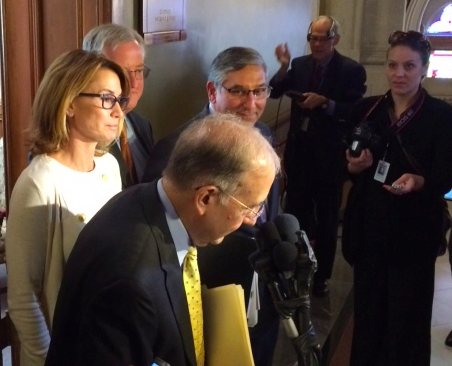
Malloy, legislators optimistic after first budget session
Gov. Dannel P. Malloy and legislative leaders hailed the first round of budget talks as a cordial first step toward a bipartisan solution, even if they have yet to agree on the scope of the state’s budget shortfall.