


Gov. Ned Lamont’s income averaged $16.2 million over the last four years. GOP nominee Ryan Fazio averaged $109,634 over the last three.

Keith M. Phaneuf
Keith has spent most of his four decades as a reporter specializing in state government finances, analyzing such topics as income tax equity, waste in government and the complex funding systems behind Connecticut’s transportation and social services networks. He has been the state finances reporter at CT Mirror since it launched in 2010. Prior to joining CT Mirror Keith was State Capitol bureau chief for The Journal Inquirer of Manchester, a reporter for the Day of New London, and a former contributing writer to The New York Times. Keith is a graduate of and a former journalism instructor at the University of Connecticut.

Posted inMoney, Politics
Tax reform group to offer plan despite request to delay release
The CT Citizens Assembly on Property Taxes declined Comptroller Sean Scanlon’s request to withhold its proposals until after the election.

Posted inHuman Services, Money
Lamont’s plan to send gift cards to former SNAP recipients stalls
About 25,000 former SNAP recipients were to receive $300 grocery gift cards, but the state has delivered less than 6% of the pledged relief.

Posted inMoney
Wall Street likes Lamont’s handling of CT’s budget
Gov. Lamont frequently touts his report card from credit rating agencies, but his critics say it paints an incomplete picture.

Posted inMoney
CT GOP proposes 3-month holiday on state fuel taxes
CT Republicans called for suspension of retail taxes on gasoline, diesel fuel through Dec. 31, saving motorists a collective $54M a month.

Posted inEnergy & Environment
Diesel fuel prices in Connecticut hit record high
The head of the Connecticut Energy Marketers Association said consumers likely will face shortages and more price increases in coming months.

Posted inPolitics
Ryan Fazio pledges unprecedented CT income tax cut
GOP gubernatorial candidate Ryan Fazio said his plan to cut income taxes would return up to $2,500 annually to middle-class families by 2031.

Posted inMoney
Poll: Most voters favor tapping CT coffers to ease federal social service cuts
The poll found that more than half of respondents would ease CT budget caps to bolster human service programs affected by federal cuts.
Posted inMoney, Politics
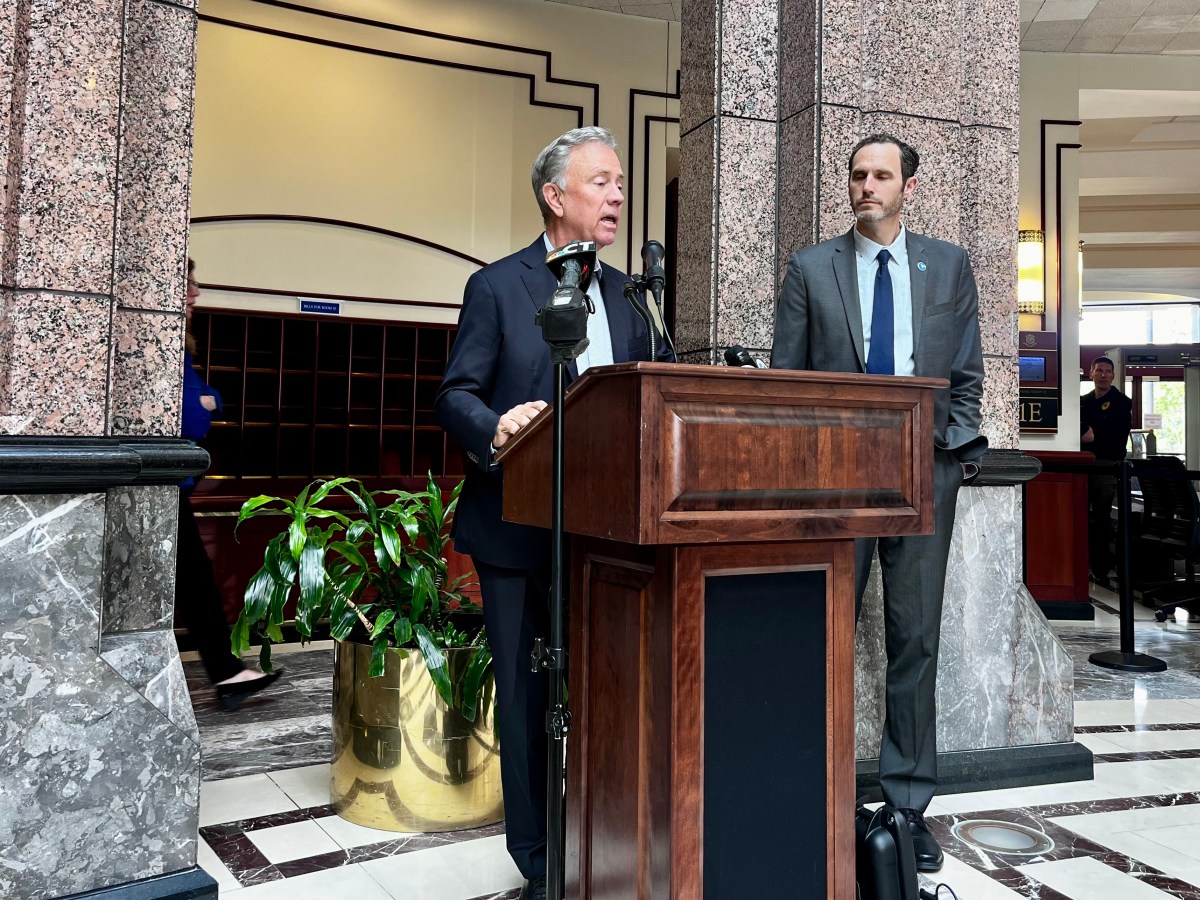
Lamont pledges to extend state employee retirement benefits
The State Employees Bargaining Agent Coalition notified rank-and-file members of the tentative understanding Thursday morning.

Posted inMoney
CT enjoys robust pension investment returns
CT’s 15.1% return ranked in the top 23% of returns achieved by major public pension funds over the past fiscal year.

Posted inHuman Services, Money
Report: About 570,000 CT households struggle with poverty
Household poverty shrank modestly from 2023 to 2024, based on United Way’s ALICE measure, but the organization fears poverty is now worsening.
Posted inMoney
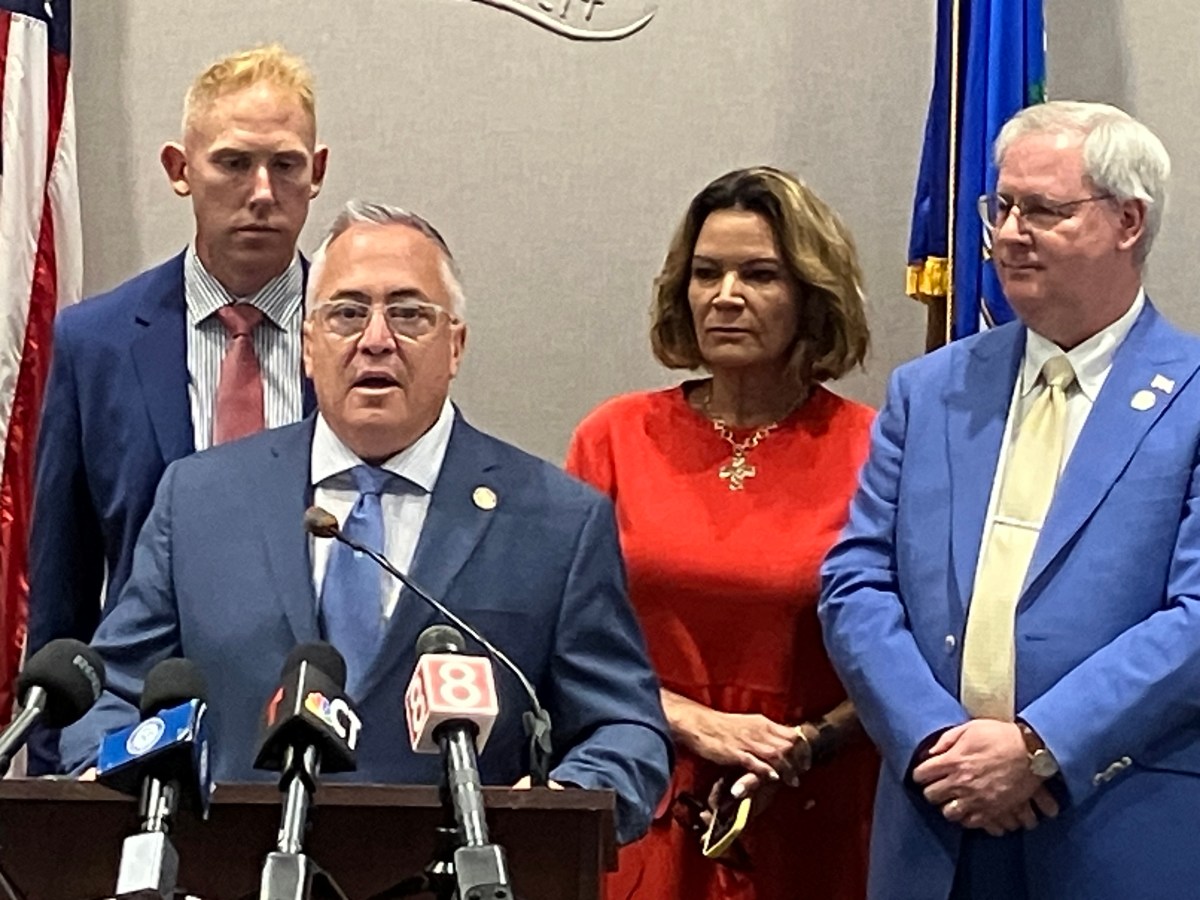
GOP legislators renew call for major CT tax relief
GOP lawmakers renewed its call for major tax relief, but Democrats say Republicans would weaken efforts to shrink CT’s big pension debt.

Posted inEducation, Money
Scanlon: CT fiscal guardrail reform could help address special education crisis
Comptroller Sean Scanlon said Tuesday that CT can help address a special education funding crisis and still shrink its pension debt.
Posted inMoney
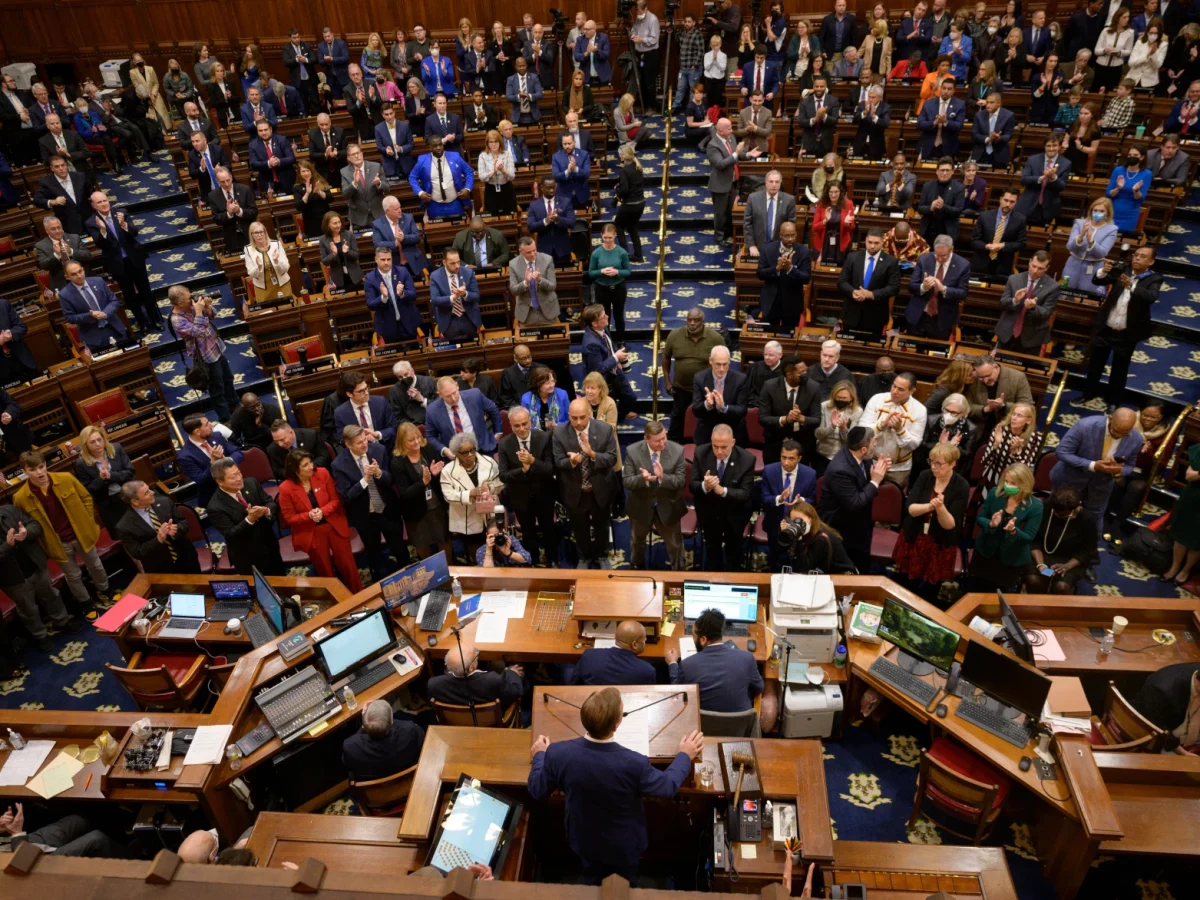
Citizens’ group pledges big ideas to reform CT property tax
The Citizens’ Assembly hoping to reform Connecticut’s property tax system teased big ideas and a robust political debate.

Posted inPolitics
Ryan Fazio claims Lamont ‘destroyed’ fiscal caps. But did he?
While Lamont has engaged in workarounds, he says the routine has led to savings, cut pension debt and offset federal cuts to vital services.