



There is a cadre of families and children that for decades has not been able to benefit from a regular education. The evidence will support the position that the present Pre-K-12 structure of our schools has exhausted its ability to meet the needs of these children. That their needs are as well defined, and unique as those which were the bases for the enactment CGS 10-76, the special education law. A response equal in intensity, is required to remedy their plight.
CT Viewpoints
We welcome informed and responsible commentary about local, state and national public policy from all Connecticut residents and organizations. Submit one here.

Posted inCT Viewpoints
Metro-North must adopt better maintenance practices
Gov. Ned Lamont’s 30-30-30 plan represents a long-needed, concrete goal for a well-operated New Haven Line. The travel times called for therein —30 minutes from New Haven to Stamford and 30 minutes further to Grand Central — are attainable using the right-of-way the state already has. The 30-30-30 plan has the virtue of replacing amorphous “state of good repair” programs that have no accountability attached to them. However, the governor’s vision will go nowhere as long as the management of the railroad under the Connecticut Department of Transportation and its contractor Metro-North Railroad lags behind global best practices.

Posted inCT Viewpoints
We need a transportation funding compromise
There is unanimous agreement that Connecticut’s infrastructure is in terrible shape: 300+ bridges are rated structurally deficient (their average age is 69 years vs. an expected life of 50 years; the average age of all state bridges is 53 and four are 100+). Today, trains must slow to a crawl to cross the worst bridges to lessen stress.
Posted inCT Viewpoints
New timetable, slower trains

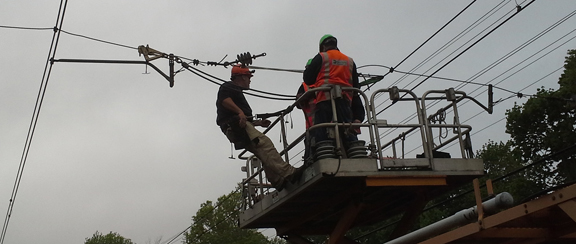
Rail commuters on Metro-North got a Spring Surprise recently: a new timetable with slower running times. Rush hour trains now leave earlier and arrive later than before, adding anywhere from one to ten minutes to published running times, depending on the length of the trip. But hey! What happened to that 30-30-30 plan for faster trains? Why are the trains running slower, not faster? In a word: repairs.

Posted inCT Viewpoints
Women are an integral part of CSCU leadership

We write in response to a number of recent CT Viewpoints op-eds, including one claiming that women are not holding leadership positions at the community colleges. Simply put, this is wholly untrue.

Posted inCT Viewpoints
Tolls needed to keep Connecticut’s economy rolling
A spirited public debate is underway over whether Connecticut should re-institute highway tolls as a means of funding much-needed improvements to our aging transportation infrastructure. Good people on both sides of the issue are passionate about their position and rightfully so. That is how our democracy works best.

Posted inCT Viewpoints
New FOI exemption poses a problem
The state Senate Thursday approved legislation that, if enacted into law, would protect the identities of family violence under the Freedom of Information Act, exempting their names from public scrutiny when police reports are disclosed. The legislation builds on existing exemptions for victims of sexual assault or risk of injury to a minor. But proposed language creates a problem when two parties are charged with family violence offenses.

Posted inCT Viewpoints
Where is Gov. Lamont on community college consolidation?
Where’s the governor? In office for 100 days, we’ve heard from the him on tolls, legalizing marijuana, the economy, and the Board of Trustees shakeup at the University of Connecticut — though it has fewer than half the number of students attending community colleges and the other state universities. But no word on community college consolidation.

Posted inCT Viewpoints
Clean Slate law would allow full family healing
For billions across the world, and many of us here in Connecticut, Passover and Easter are opportunities to pause our hectic schedules and re-center our connections to our faiths and to our communities. As Passover and Easter week near their ends, we hope we can all carry that re-connection with our values back into the world around us.

Posted inCT Viewpoints
Fixing Connecticut
Connecticut has a serious problem. As America’s economy booms, Connecticut continues to suffer. Its financial woes have become cannon fodder for national news media and have legislatures around the country warning their members: “Don’t become like Connecticut. It had it all and is now losing it all.”

Posted inCT Viewpoints
The U.S. needs an Arctic policy
The wild west faded into myth long ago. While we continue to grapple with the aftermath and moral implications of Manifest Destiny on both the western lands of the U.S. and the original inhabitants of it, many long for the opportunity to encounter a similar spot on earth and, perhaps, do better by it. The Arctic, long our wild north, currently peaking the interest of the oil and logistics industries, presents us with just such an opportunity.

Posted inCT Viewpoints
A crisis in confidence in the Board of Regents
In the last two months, 11 academic senates or faculty and staff governing bodies have voted to endorse an online petition opposing the BOR’s plan for the consolidation of Connecticut’s community colleges — or have passed their own statement opposing consolidation. Nine out of 12 of the state’s community colleges have done so. They have done so, it should be noted, emphatically.

Posted inCT Viewpoints, Talking Transportation
Love notes from commuters — NOT
As I hope you can tell, I love writing this column. As New York Times columnist Thom Friedman once said, a commentator should be both in the heating business and the lighting business… getting people fired up while providing factual support for his arguments. Well, the “heat” runs both ways, as the comments I receive each week constantly remind me.

Posted inCT Viewpoints
Where have all the women college presidents gone?
For many years the 12 community colleges in Connecticut had the most diverse leadership at the presidential level of any of the higher education institutions in the state. In addition to several presidents who were from underrepresented groups, in 2015 eight out of the 12 community presidents were women, thus reflecting the student population of the colleges which is in its majority female.
Posted inCT Viewpoints
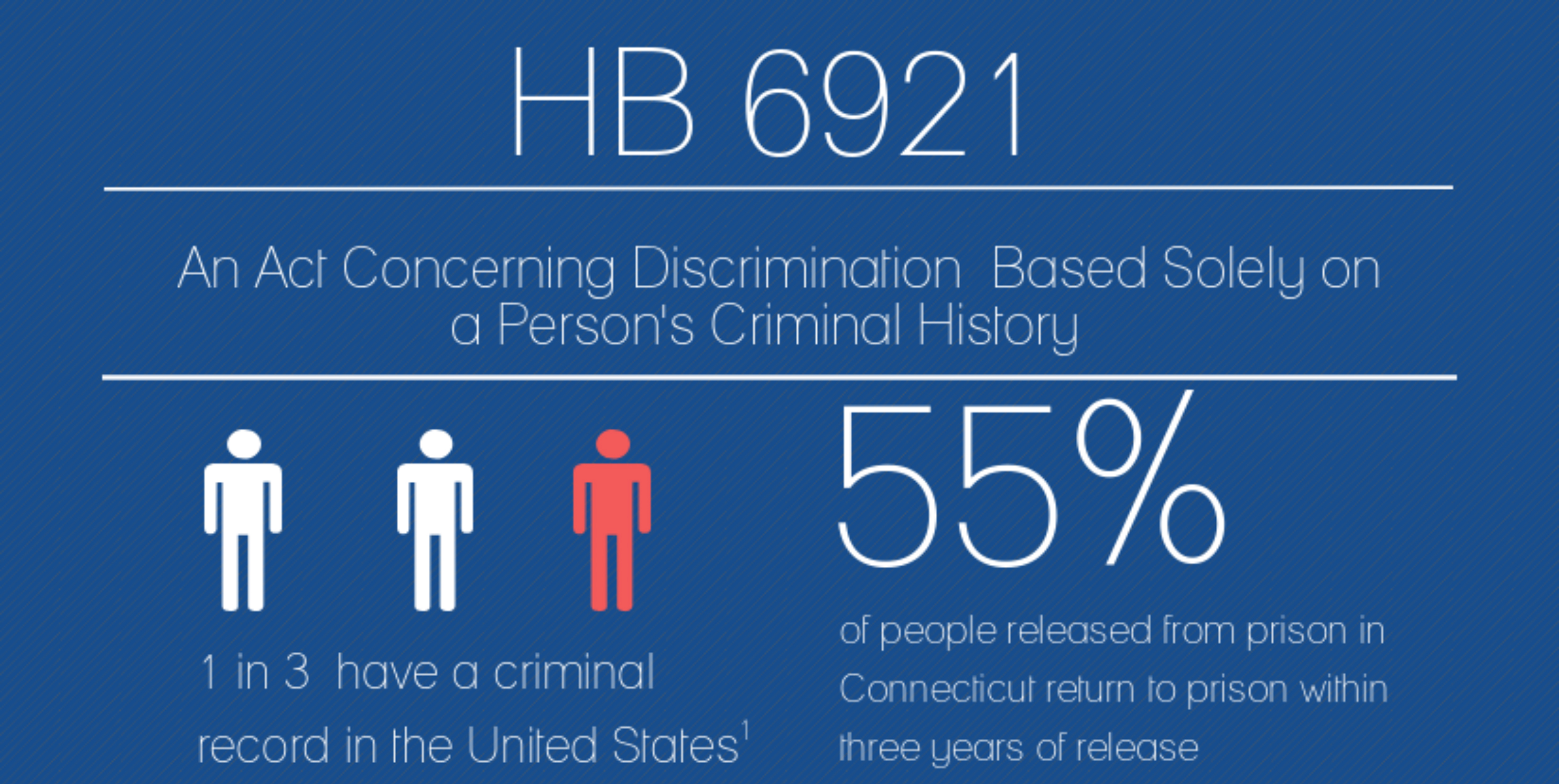
Fixing a broken criminal justice system: HB 6921
Criminal justice reform is no longer a controversial issue in the United States with recent polling suggesting that over 90 percent of Americans believe that the current criminal justice system is broken. The poll also concluded that almost three quarters of the population would like to see a decrease in the prison population size. This past December, Congress passed the First Step Act, which as the name suggests, did very little to challenge the status quo.