


Starting Jan. 1, the state will begin requiring home care workers to use a new electronic system for reporting the time they spend caring for certain clients – a change forecast to save the state millions of dollars. But home care providers worry problems could leave them unable to make payroll. And one major agency says it will refuse to use the new system.

Arielle Levin Becker
Arielle Levin Becker covered health care for The Connecticut Mirror. She previously worked for The Hartford Courant, most recently as its health reporter, and has also covered small towns, courts and education in Connecticut and New Jersey. She was a finalist in 2009 for the prestigious Livingston Award for Young Journalists, a recipient of a Knight Science Journalism Fellowship and the third-place winner in 2013 for an in-depth piece on caregivers from the National Association of Health Journalists. She is a 2004 graduate of Yale University.

Posted inHealth
Hospitals worry Medicaid, Obamacare changes could bring pain
With the potential for major changes in federal health care policy looming, hospital leaders are watching closely, worried especially that cuts to Medicaid could bring a big financial hit and that a repeal of Obamacare could raise the number of uninsured Connecticut residents.

Posted inHealth
Pharmacists offer overdose-reversing drug, but say demand muted
Some customers thank Ed Schreiner for making naloxone available at his pharmacy. The bin with brochures about the drug, which can reverse the effects of an opioid overdose, is often empty. But since last year, only about a dozen people have asked Schreiner to prescribe the drug. Other pharmacists said they’ve been similarly surprised by the low demand, given the state’s ongoing opioid crisis.
Posted inHealth
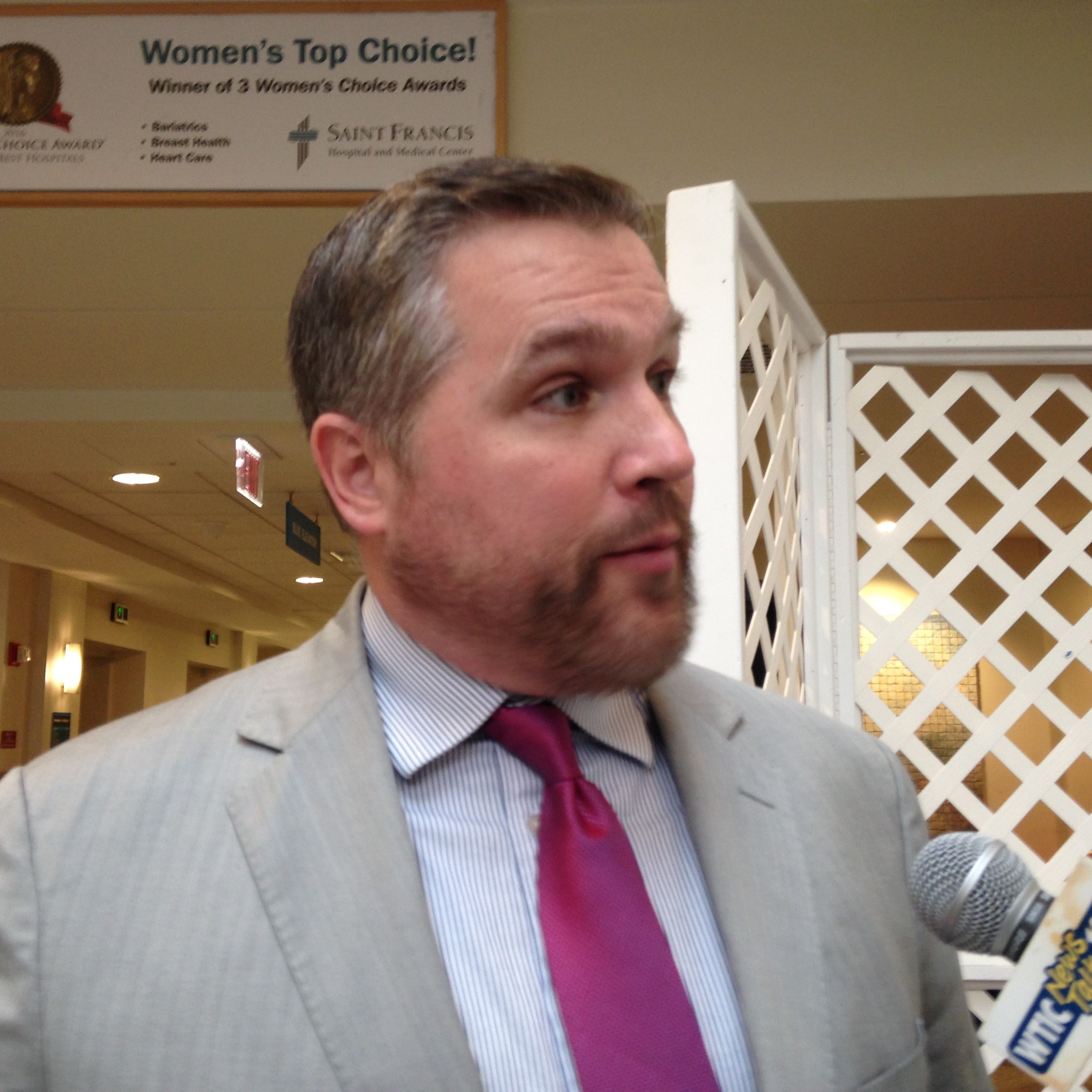
St. Francis to test marijuana as alternative to opioids
The study will be the first state-approved research on medical marijuana, part of a law passed this spring that grants immunity under state law to those participating in approved studies.

Posted inHealth
CT Obamacare sign-up deadline extended to Saturday
Updated 1:35 p.m.
Thursday had been the deadline for people to sign up for private insurance plans that would begin covering them Jan. 1. The exchange is extending that deadline to Dec. 17 at midnight.
Posted inHealth
522,000 CT adults have a pre-existing condition, analysis says
Nearly one in four Connecticut adults have a health condition that probably would make them unable to buy insurance through the individual market without protections for people with pre-existing conditions, such as those created by Obamacare, according to an analysis released Monday by the Kaiser Family Foundation.

Posted inHealth, Money
39 percent of parents affected by HUSKY cut still in program
Four months after a major change in Medicaid eligibility for poor parents, 39 percent of those initially expected to lose Medicaid coverage are still in the program and 16 percent have coverage through the state’s health insurance exchange. The health care coverage status of another 42 percent is unknown.

Posted inHealth
Advocates give legislators a ‘mental health 101’
The dozen or so legislators who showed up heard personal stories and policy pitches. They got some advice and joking sympathy. It was one of the many ways lobbyists and advocates will try to make an impression on legislators in advance of next year’s session.

Posted inHealth
Insurance Department will seek to liquidate HealthyCT
The Connecticut Insurance Department plans to seek a court order to liquidate insurer HealthyCT at the end of the year, after an appointed overseer’s report that the nonprofit company – created with federal funds made available through Obamacare – is insolvent.

Posted inHealth
With Obamacare’s future uncertain, CT exchange contemplates strategies
One person likened it to looking at a “foggy crystal ball.” Another spoke of changing a tire on a car that’s still moving. But others cautioned against speculating and emphasized the fact that, so far, nothing about the Affordable Care Act has changed.

Posted inHealth
Developmental Services Commissioner to step down
Department of Developmental Services Commissioner Morna Murray plans to leave the job early next year — a time of significant changes for the department serving thousands of people with intellectual or developmental disabilities.

Posted inHealth
A lot at stake for Connecticut as Trump, GOP eye Medicaid changes
Medicaid is Connecticut’s largest source of federal funding and the largest single line item in the state budget. It covers close to one in five state residents – more than 750,000 poor children, adults and people with disabilities. A major change in federal Medicaid funding is a big worry for the state’s budget director.

Posted inHealth
‘We’re in limbo:’ For many in CT, Obamacare’s uncertain future is personal
The presidential election put Cindy Jalbert’s plans in limbo. She has type 1 diabetes and had been counting on the ability to buy insurance even though she has a pre-existing condition – something made possible through Obamacare. The uncertainty about the health law’s future has personal implications for many Connecticut residents. Some worry about the future of benefits they have come to rely on, while others are hopeful about the prospect of improving what they see as shortcomings in the health law.

Posted inEducation, Health, Money
State agencies offer more painful possibilities for budget cuts

State agencies have offered the governor’s budget office options as it prepares a 2017-18 state budget proposal. Among those just made public: Some DMV offices could close. Housing subsidies for those with AIDS could be cut. And hundreds more state jobs could be eliminated by privatizing services for people with intellectual or developmental disabilities.

Posted inHealth
Average Obamacare prices drop for those with subsidies, rise for others
Exchange customers who signed up for 2017 coverage and get federal help discounting their premiums will save a couple of dollars each month compared to what they pay now. But for those who don’t qualify for financial aid, costs are rising an average of $76, and for some, that’s after switching to plans with less coverage.