


Patients can face significantly higher bills if they receive care from doctors who don’t take their insurance, and a study suggests that could happen in nearly one in four ER visits.

Arielle Levin Becker
Arielle Levin Becker covered health care for The Connecticut Mirror. She previously worked for The Hartford Courant, most recently as its health reporter, and has also covered small towns, courts and education in Connecticut and New Jersey. She was a finalist in 2009 for the prestigious Livingston Award for Young Journalists, a recipient of a Knight Science Journalism Fellowship and the third-place winner in 2013 for an in-depth piece on caregivers from the National Association of Health Journalists. She is a 2004 graduate of Yale University.

Posted inHealth, Money
Same data, opposite conclusions: Did Medicaid cuts limit access to radiology?
When the state cut Medicaid payment rates for radiologists by 42.5 percent last year, doctors and patient advocates warned it would get harder for poor patients to get mammograms and other imaging services. A year and a half later, the state Medicaid agency says that hasn’t happened. But radiologists say it’s not that simple.

Posted inHealth
With Obamacare’s future in doubt, officials urge people to keep signing up
Come January, the nation will have a president and Congress that have pledged repeatedly to repeal Obamacare. But in the meantime, there’s a sign-up period going on for people to buy coverage through the insurance exchanges created by the health law. So what happens now?

Posted inPolitics
Clinton carries CT but not the nation amid voter angst

While Connecticut voters backed Hillary Clinton in a losing effort against Donald J. Trump Tuesday, one of the most contentious presidential races in modern history polarized residents on both sides of the debate. Many of the state’s voters reflected national polls showing they weren’t excited about either presidential contender, and – in some cases – repulsed by both.

Posted inHealth, Money
‘There’s a lot of anxiety:’ Mental health system braces for more cuts
So far, the impact of cuts to the state’s mental health system has been mixed, those involved say. Some agencies have absorbed reductions, while others have reduced hours, cut staff or closed programs. But nearly all expect that the cuts they’ve already faced are just a start.

Posted inHealth
CT exchange officials considering big changes to stay viable
Among the ideas Access Health CT will explore: Allow insurers to offer plans with narrow provider networks, restrict coverage for people who sign up after the enrollment deadline, and consider eliminating the lowest-cost, high-deductible bronze plans.

Posted inHealth
Panel endorses strategies to curb health costs, redesign care system
The recommendations are aimed at curbing health care costs, but some members of the state’s Health Care Cabinet wondered if they will be too expensive. Another key recommendation faces opposition from one of the agencies that would be charged with implementing it.

Posted inHealth, Money
Hospitals ask feds to declare CT Medicaid rates, hospital tax illegal
Citing a host of job and program cuts and funding levels that threaten hospital viability and patients’ access to care, Connecticut hospitals have asked the federal government to declare that the state is violating federal law by paying inadequate rates for treating Medicaid patients and imposing a $556 million tax on the industry.

Posted inEducation, Health
Study: Opioid hospitalizations for kids nearly doubled in 15 years
The hospitalization rate grew especially quickly among toddlers and preschool-aged children, surprising researchers.

Posted inHealth
What you need to know for the 2017 Obamacare open enrollment
If you buy health insurance on your own, or plan to, your chance to sign up for 2017 coverage starts next week. Here’s what you need to know, whether you’re new to the process or buying again.

Posted inHealth
ConnectiCare opens first health insurance store in Manchester
The store, in a 6,000-square-foot former brew pub space, is the first run by a health insurance company in Connecticut, but there’s precedent in other states.

Posted inHealth
CT stepping up efforts to treat trauma in the very young
A baby crying inconsolably. A toddler stealing food. They’re signs of trauma, but often, even those who work with young children don’t recognize them. Can a new effort change that?
Posted inHealth
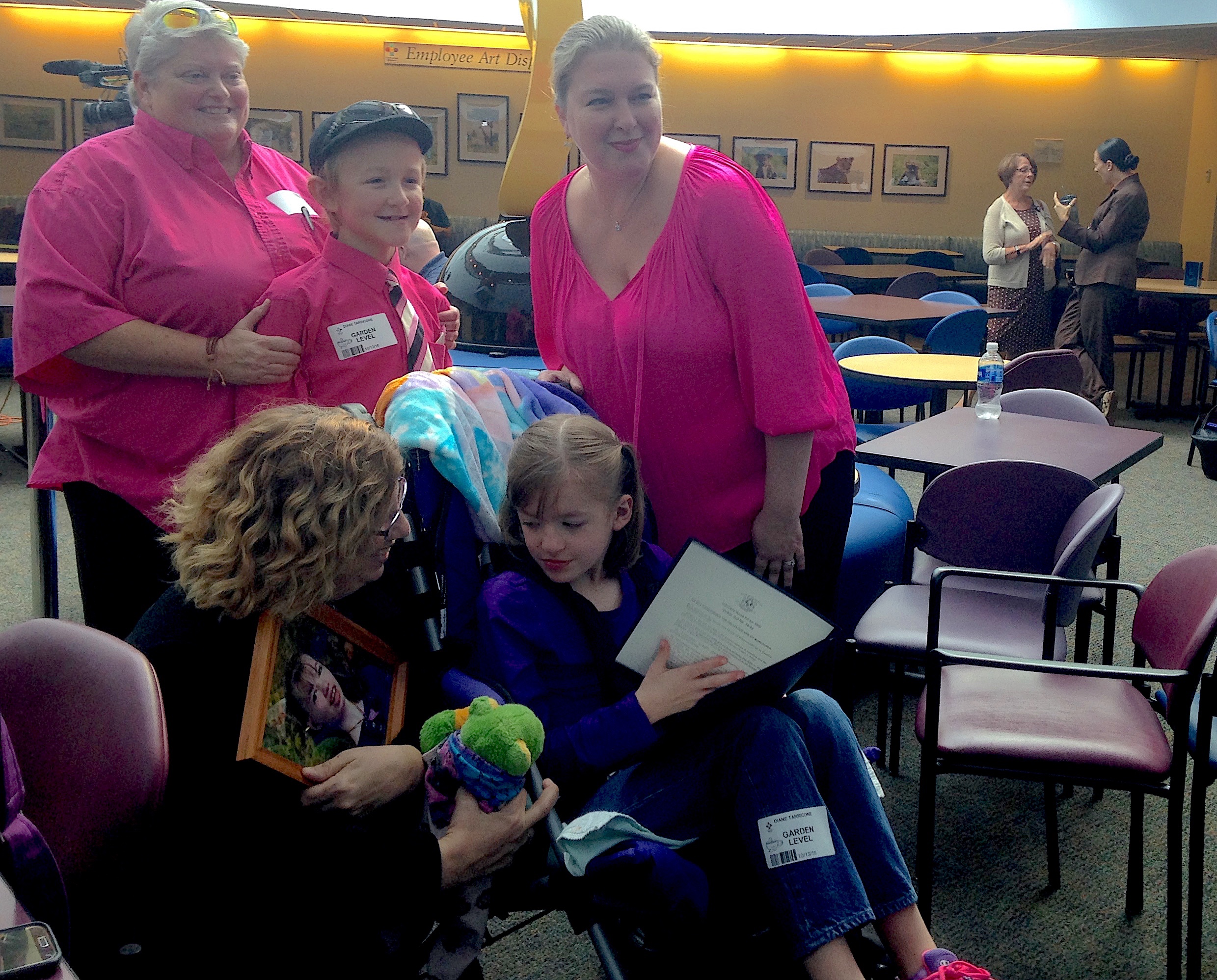
After law change, children begin receiving medical marijuana
Parents pushed for the new law in hopes medical marijuana could help alleviate their children’s debilitating seizures. Now they’re trying it.
Posted inHealth, Money
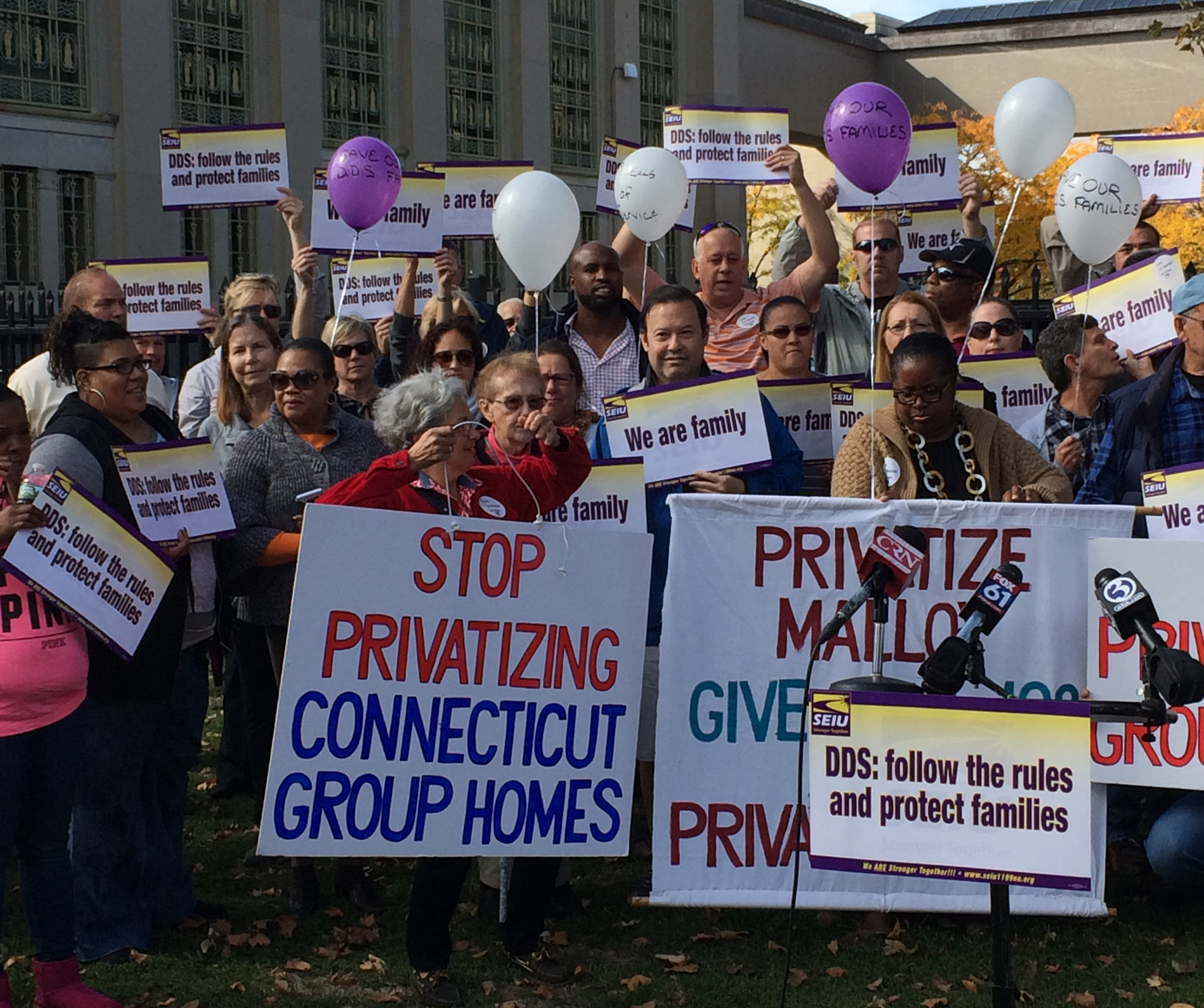
State employee unions suing to block group home privatization
State employee unions plan to ask a judge to block the privatization of group homes for people with intellectual or developmental disabilities, saying the layoffs caused by those changes violate Connecticut law

Posted inHealth
DSS’s long-awaited computer fix finally arrives, starting today
The mainframe computer system underpinning operations at the state Department of Social Services is so old, there are few people left who know how to fix it. It’s been blamed for stymieing the agency’s ability to handle programs that serve nearly 1 million people. As its replacement launches in part of the state today, officials say some growing pains are expected.