
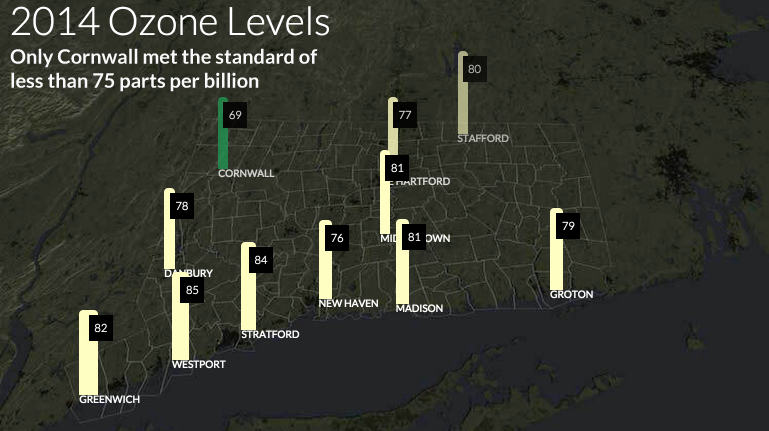

As the EPA readies new air pollution standards, Connecticut not only doesn’t meet the old ones, it has some of the worst air in the country — and it’s been getting worse.

Jan Ellen Spiegel
Jan Ellen is CT Mirror's regular freelance Environment and Energy Reporter. As a freelance reporter, her stories have also appeared in The New York Times, The Boston Globe, Yale Climate Connections, and elsewhere. She is a former editor at The Hartford Courant, where she handled national politics including coverage of the controversial 2000 and 2004 presidential elections. She was an editor at the Gazette in Colorado Springs and spent more than 20 years as a TV and radio producer at CBS News and CNN in New York and in the Boston broadcast market. In 2013 she was the recipient of a Knight Journalism Fellowship at MIT on energy and climate. She graduated from the University of Michigan and attended Boston University’s graduate film program.

Posted inEnergy & Environment
Utility regulators make a pitch for independence from DEEP
Nearly four years after Connecticut’s independent utility regulatory body became part of the Department of Energy and Environmental Protection, the regulators are asking for their independence back.

Posted inEnergy & Environment
CT creeps toward electric grid 2.0
Connecticut is starting a process to modernize the state’s electric grid to make it cleaner, leaner and more adaptable to new methods of power generation and distribution. Exploring how to do that will be a major focus for the state Department of Energy and Environmental Protection, beginning early next year.

Posted inEnergy & Environment
A decade brings dramatic change to Connecticut wildlife
As Connecticut undertakes the 10-year update to its Wildlife Action Plan, it faces challenges not even imagined a decade ago — most notably, the dramatic effects of climate change.

Posted inEnergy & Environment
Electric vehicle use creeps along; proponents urge a bigger push
With only 1,300 plug-in electric vehicles in the state, there’s growing sentiment that Connecticut hasn’t done enough to encourage their purchase, and that added incentives are needed to get more of them on the road.
Posted inEnergy & Environment
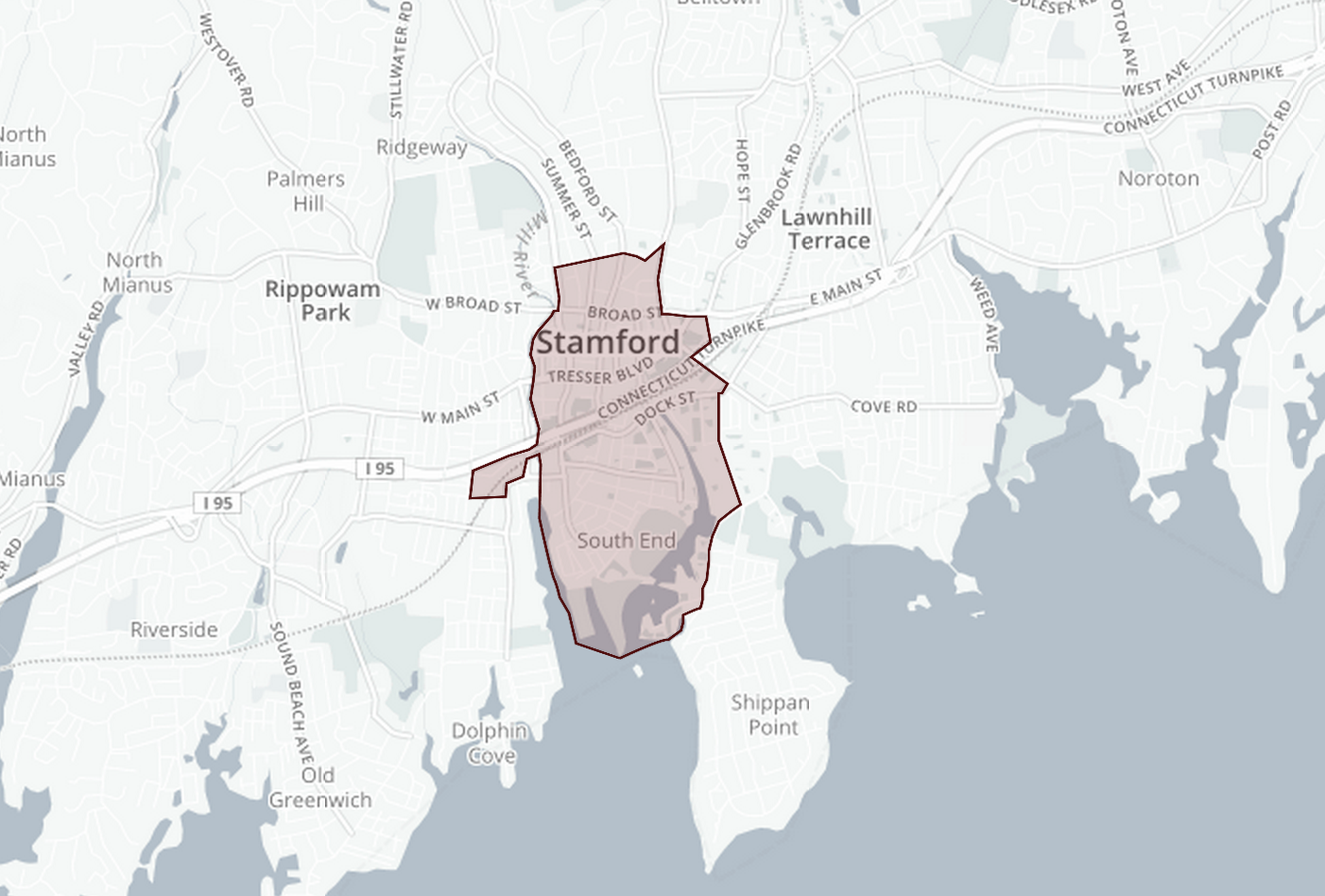
Stamford joins pioneering energy-saving program
Stamford has become the sixth city in the nation and the first in New England to join a national program called the 2030 Districts. It’s designed to reduce urban greenhouse gas emissions without relying on government. It’s entirely voluntary and there are no penalties if goals aren’t met.
Posted inEnergy & Environment, Politics
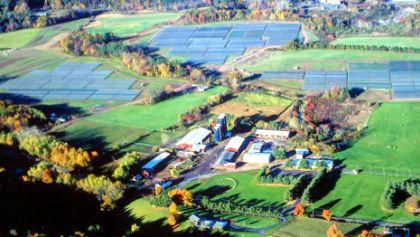
Energy stance: Malloy embraces activism, Foley the market
Gov. Dan Malloy takes his mantra of “cheaper, cleaner, more reliable” energy to the voters, while his Republican challenger, Tom Foley, emphasizes relying on market forces and evolving technology to bring down energy costs.
Posted inEnergy & Environment
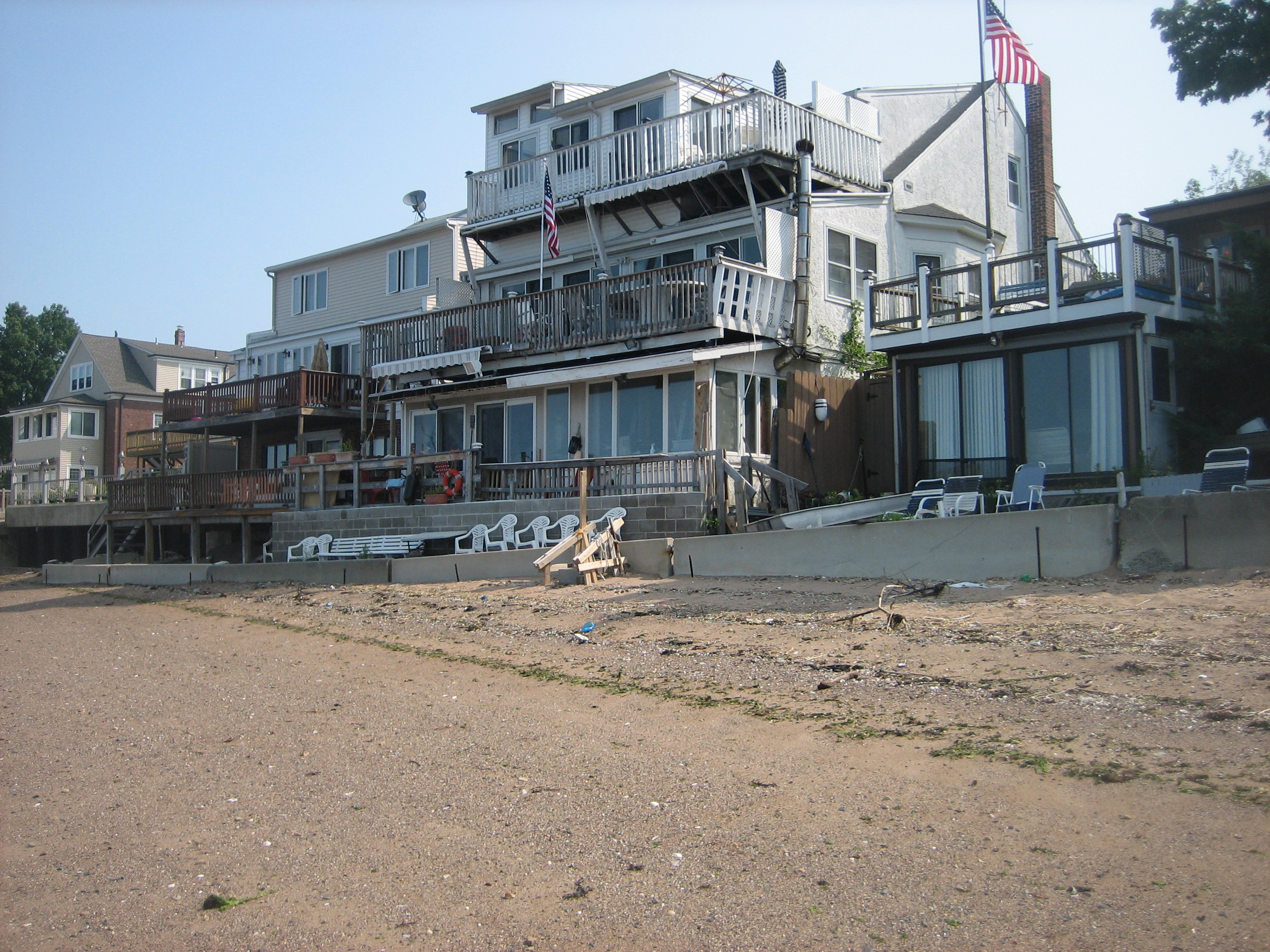
Connecticut shoreline Sandy grants raise questions
NEW HAVEN – Nearly two years after storm Sandy sacked the Connecticut coast, federal funds for recovery are still being parceled out. But issues surrounding a couple of Connecticut shoreline grants raise questions about how the money is being allocated and whether it ever will be used.
Posted inEnergy & Environment
More extreme rain for Connecticut, and no way to drain it
Due to the ongoing use of badly outdated data, much of the drainage installed in Connecticut in the last several decades may be too small to handle the volume of water brought by an increase in the number and severity of storms being experienced in the Northeast.
Posted inEnergy & Environment
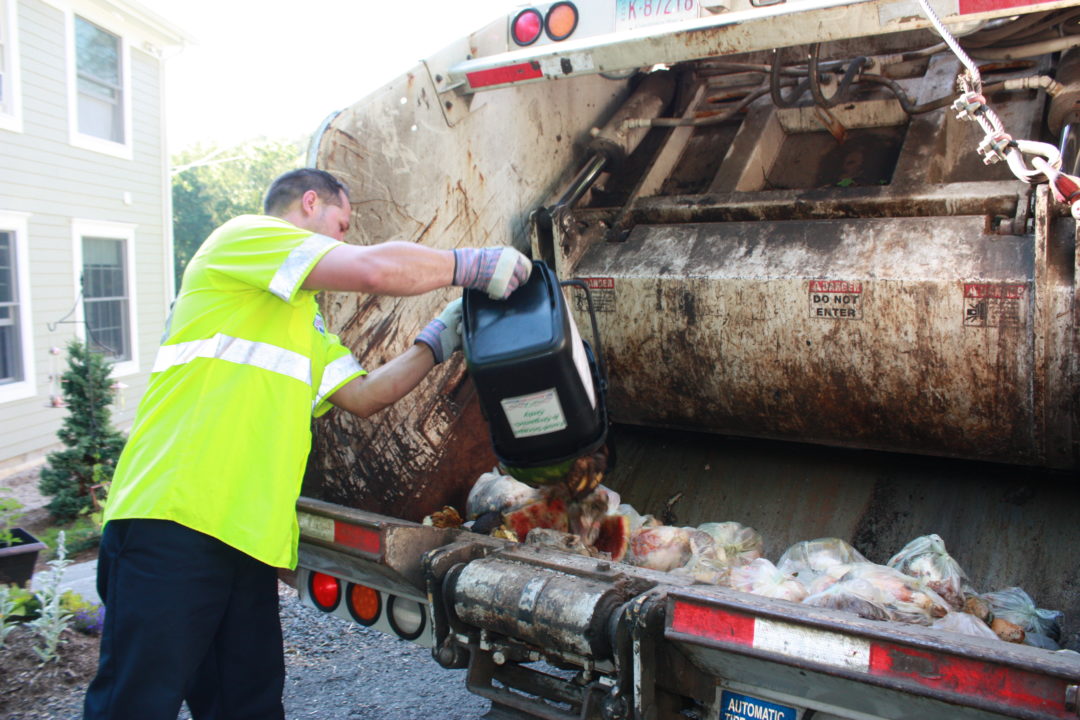
Food waste recycling remains a tough task in Connecticut
A food waste recycling pilot program in Bridgewater is the latest effort to help Connecticut wrench itself off the 25 percent recycling rate it has been stuck on for years. But it’s been slow going for such efforts, with many factors working against the initiative.
Posted inEnergy & Environment
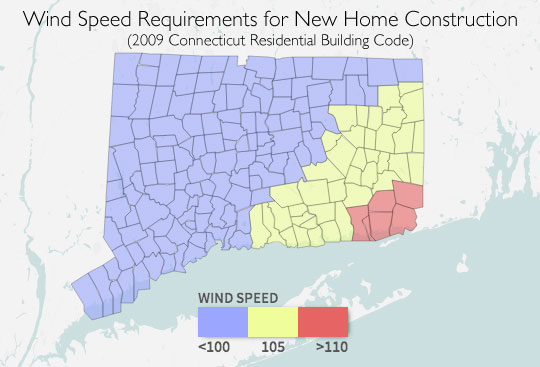
Wind becoming a new Connecticut shoreline storm concern
With so much focus on preventing shoreline flooding in storms like Irene in Sandy, some worry we are ignoring another problem: wind.

Posted inEnergy & Environment
Can Connecticut keep its fuel cell edge?
Connecticut’s fuel cell industry is considered the best in the world. But extreme developments in the last several months are once again raising the question of whether the state still has its edge when it comes to the expanding global reach of the fuel cell business.
Posted inEnergy & Environment
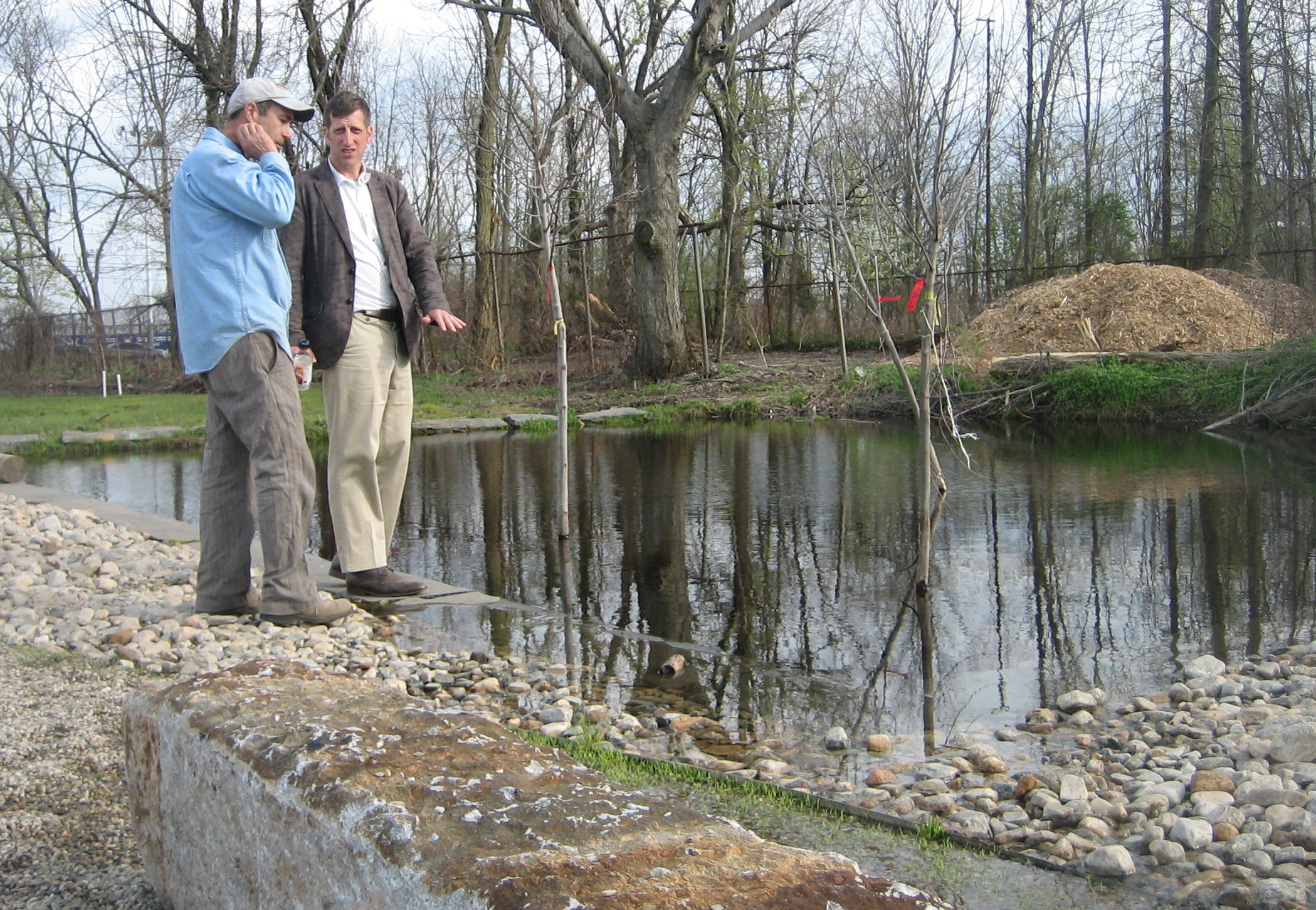
For Alex Felson, opportunity knocks on Connecticut coast
Alex Felson, a landscape architect and urban ecologist at Yale, has found an opportunity to address climate and community issues on the battered, flooded and otherwise jeopardized Connecticut shoreline.

Posted inEnergy & Environment
A good Connecticut winter for eagles, trees and stink bugs, not necessarily bats
The cold, snowy winter followed by a wet, chilly spring have had consequences for Connecticut’s wildlife, plants and insects. Some consequences are predictable, but more often those consequences are unexpected, counter-intuitive — and even good.

Posted inEnergy & Environment
Success NOT guaranteed for unique Stratford reef project
An artificial reef project that uses huge concrete objects called Reef Balls is an attempt to stop erosion on the shoreline in Stratford. The problem is, no one is sure whether the experiment — a first for Connecticut — will work.