


As the state invests in a multi-billion-dollar plan to upgrade the rail line, there are those who say the impact of climate change isn’t being considered carefully enough. They worry the plan will entrench the line in locations vulnerable to storms and flooding. But others say it’s too expensive to move the line, and there are other ways to mitigate the impact. First of two stories.

Jan Ellen Spiegel
Jan Ellen is CT Mirror's regular freelance Environment and Energy Reporter. As a freelance reporter, her stories have also appeared in The New York Times, The Boston Globe, Yale Climate Connections, and elsewhere. She is a former editor at The Hartford Courant, where she handled national politics including coverage of the controversial 2000 and 2004 presidential elections. She was an editor at the Gazette in Colorado Springs and spent more than 20 years as a TV and radio producer at CBS News and CNN in New York and in the Boston broadcast market. In 2013 she was the recipient of a Knight Journalism Fellowship at MIT on energy and climate. She graduated from the University of Michigan and attended Boston University’s graduate film program.

Posted inMoney
Track the budget: Compare the spending and revenue proposals


The new state budget takes effect today. Here’s a look at the key spending cuts and tax increases, and a look at how they were developed.

Posted inEducation, Energy & Environment, Health, Money, Politics
Health, labor, environment bills revived in special session

A wide range of legislative priorities that failed to clear both chambers of the General Assembly before the June 3 end of the regular session won final approval early Tuesday as part of a massive budget implementation bill. The 686-page everything-but-the-kitchen-sink bill also includes several controversial new provisions. Here’s what’s in it.

Posted inEnergy & Environment
Session tally: Energy and environment hits, misses and almosts
For those pursuing energy and environmental initiatives, this legislative session was already heading toward half-a-loaf results before the budget impasse erupted. In the end there were big wins, big losses and everything in between.

Posted inEnergy & Environment
CT to make a start on electric vehicle incentives
In the face of tight state finances, Gov. Dannel P. Malloy is about to unveil financial incentives for electric vehicle purchases and leases using money from outside the state budget. Malloy will announce that $1 million from the Northeast Utilities/NSTAR merger settlement fund will be used to help jump-start a sluggish EV market in Connecticut.

Posted inEnergy & Environment
Eversource and UI electric rates heading for big drop in July
Electric rates charged by Connecticut’s two utilities are headed for major reductions for the six months beginning July 1. Eversource Energy standard offer rates for residential customers will drop by more than one-third, and United Illuminating rates will drop nearly one-third.
Posted inEnergy & Environment
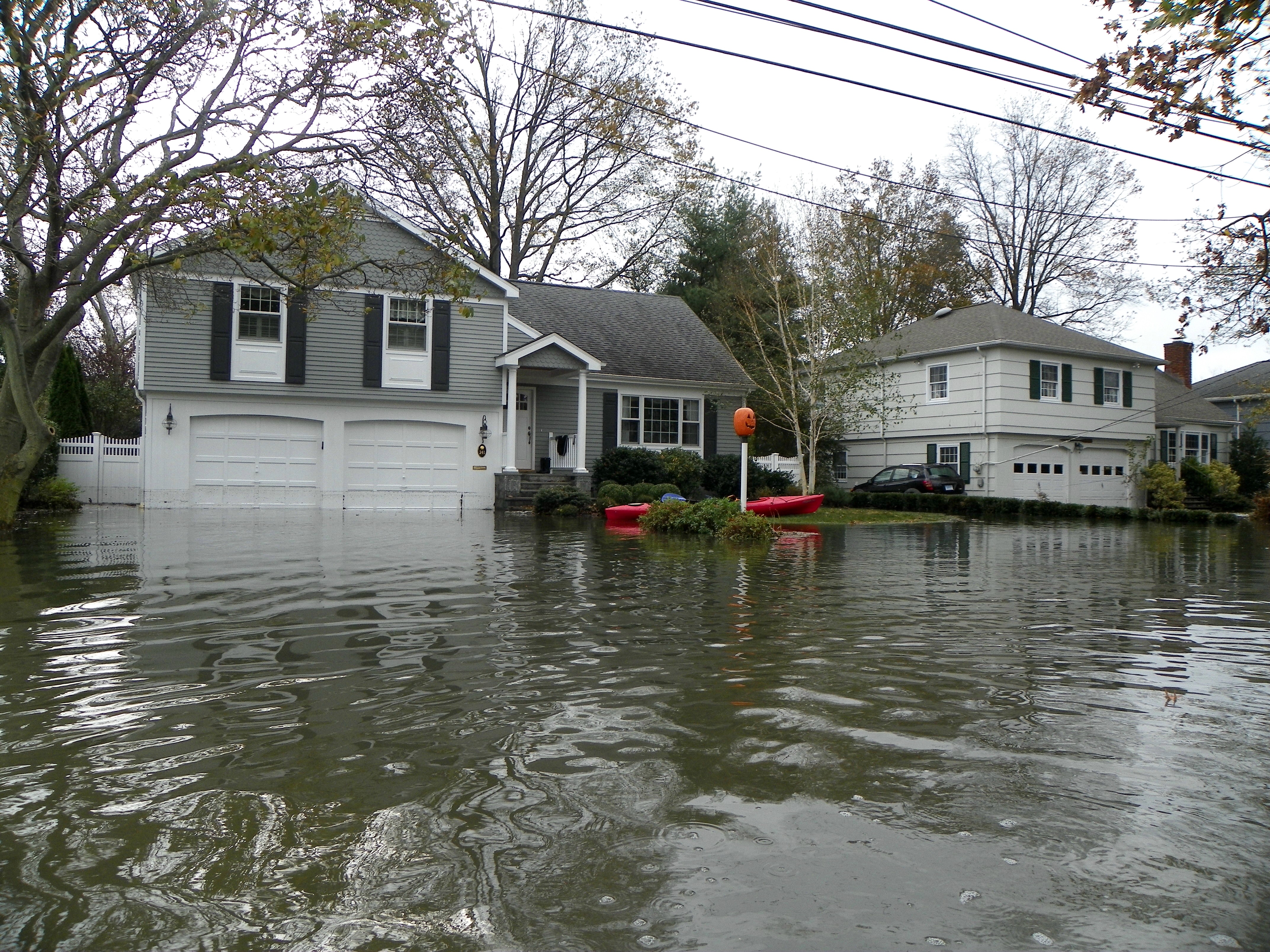
Flood insurance hikes arriving at a waterfront near you
Just over a year after shoreline politicians along with a panicked real estate industry and homeowners fought successfully to roll back scheduled dramatic increases in National Flood Insurance Program rates, most of them are back in only slightly modified form. As policies renew, shoreline homeowners are likely to face a new round of sticker shock, their penalty for living in flood zones.

Posted inEnergy & Environment, Money
On conservation’s front lines, districts facing budget cuts
The five little-known Connecticut Conservation Districts help municipalities and the public with soil and water conservation problems and projects they can’t handle themselves. Gov. Dannel P. Malloy’s proposed budget would end all $300,000 in state funding for the districts — money they say is necessary to run their offices and leverage larger sums in the form of grants.
Posted inMoney
Track the budget: Taxes and fees
The new state budget takes effect today. Here are the key spending cuts and tax increases, and a look at the process that led to them.

Posted inEnergy & Environment
Shared solar tries again to light up Connecticut
For the second year in a row, legislation to allow shared-solar installations to be built in Connecticut is facing a rough road. While some want to go slowly with only a couple of pilot projects, others want to plunge right in based on the models and success shared solar is having around the country. The goal for advocates is to avoid last year’s result, which was nothing.

Posted inEnergy & Environment
Connecticut looking for new ways to fund its parks
Faced with a $2 million dollar cut to the Connecticut parks budget, the legislature is considering a new funding model. With 140 state parks and forests, the state is poised to join a trend among states of cobbling together park funding from an array of sources.
Posted inEnergy & Environment
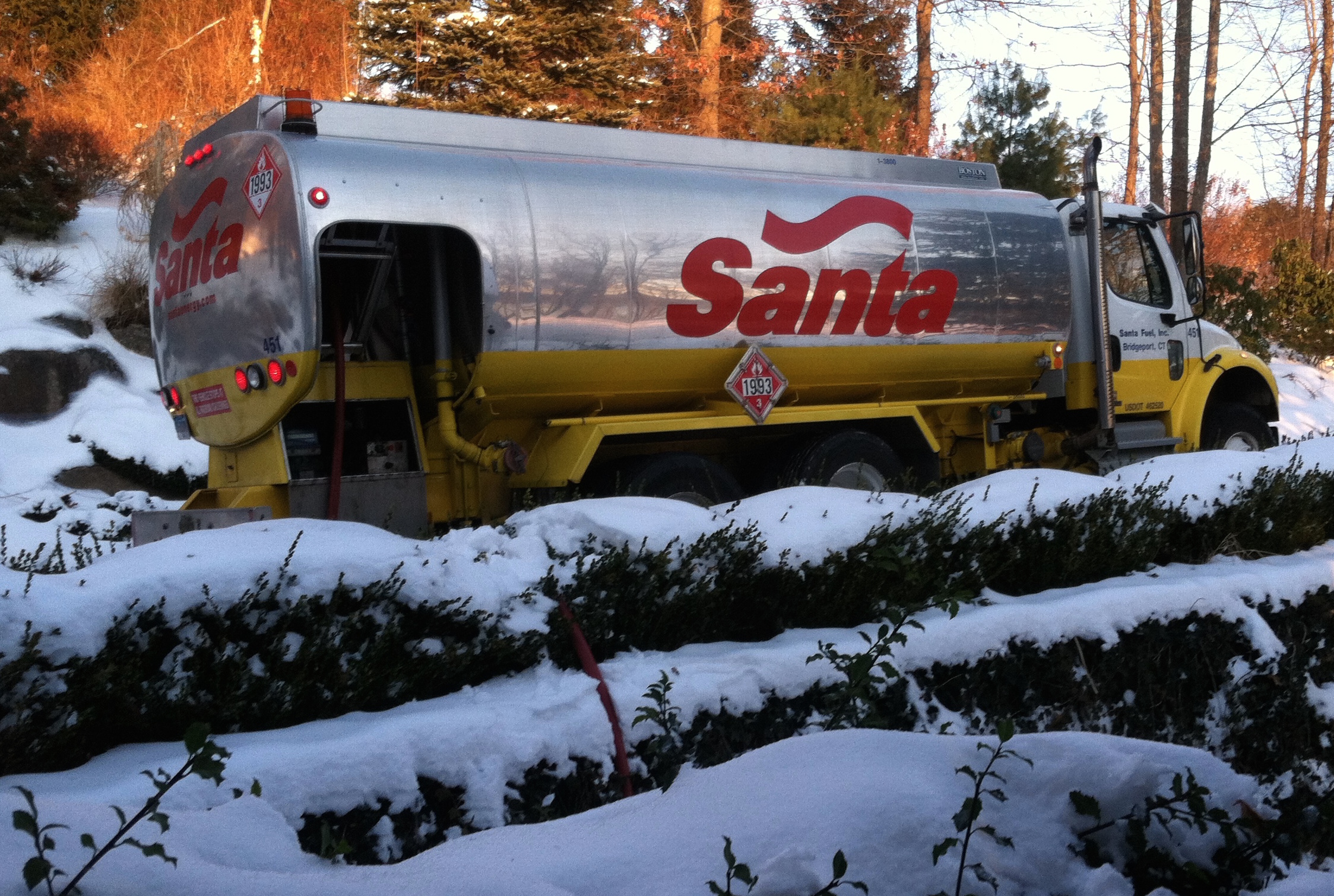
Connecticut oil dealers battle cold, snow, prices and policy
A cold winter and low oil prices help a little as Connecticut oil dealers fight to remain relevant in the face of state policy that encourages people to switch from oil to gas heat.

Posted inEnergy & Environment
Power and prices weather the winter
Despite record low temperatures and snow, this winter has not triggered the same electric power problems and high prices the region suffered through the last two winters.

Posted inEnergy & Environment
A storm rages over CT’s stormwater
Managing the water that flows into the thousands upon thousands of storm drains around the state — an otherwise standard municipal function — has become something close to a standoff between the Department of Energy and Environmental Protection and a battalion of those municipalities.
Posted inEnergy & Environment
Snow plus salt equals Connecticut controversy
The salt treatments used in Connecticut to get snow and ice off the roads are spurring debate over what they may or may not be doing to vehicles and the environment. But everyone agrees they do a good job clearing the roads.