
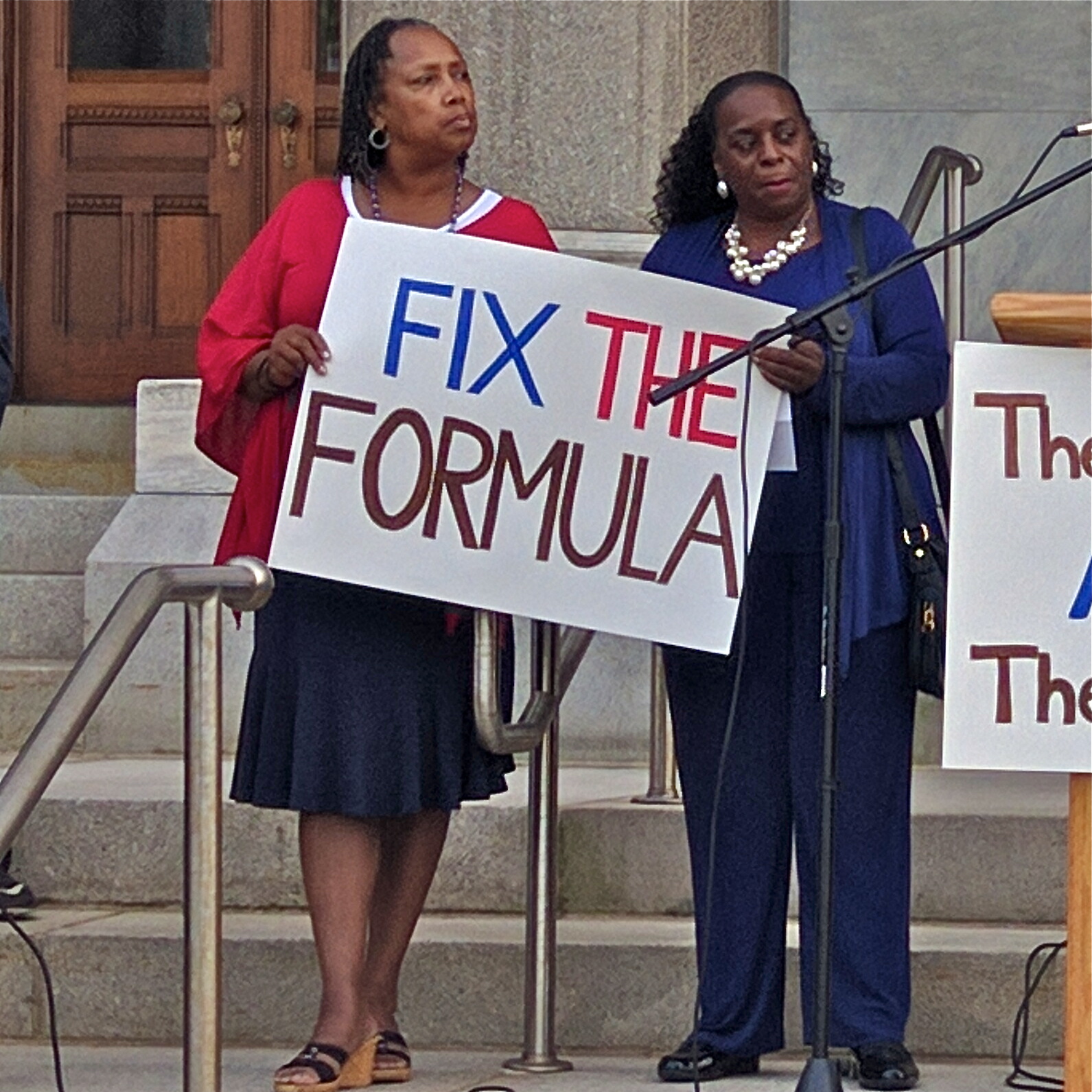

How the state funds public schools is so messy and complicated that dozens of parents, educators, legislators, the governor, and a Superior Court judge have characterized the setup as broken. However, some of the criticism that regularly surfaces is based on skewed perceptions of reality.
Deep Dive

Posted inCities & Towns
In Meriden, there is action near the station as development ramps up

Officials hope the trend toward transit-oriented development, or TOD, will lessen traffic congestion, reduce pollution and create dense and lively town centers that can attract bright young workers – the ones the General Electrics and Aetnas say they want.

Posted inEducation
English learners: Other places are showing what works
School districts across the country that have committed to reaping the benefits of dual-language instruction have found ways to make big gains in the face of obstacles, both perceived and real.

Posted inEducation
English learners: A jumble of strategies produces distressing results
A number of weaknesses in the approach the state and school districts across Connecticut have taken to educating the rapidly increasing number of English learners has produced distressing outcomes on nearly every benchmark – including academic achievement gaps between English learners and their peers that are among the worst in the nation. Second of three stories.

Posted inEducation
English learners: Struggling CT schools ignore a proven path
Connecticut has largely failed to embrace the one model for English learners that research consistently shows works best by far. It’s being adopted and expanded elsewhere. First of three stories.
Posted inHealth
With demand already up, free clinics anticipate more need

Two days after a new free clinic opened in Stamford, “The phones haven’t stopped ringing and people are walking in, looking to make appointments,” the executive director said.
Posted inHealth
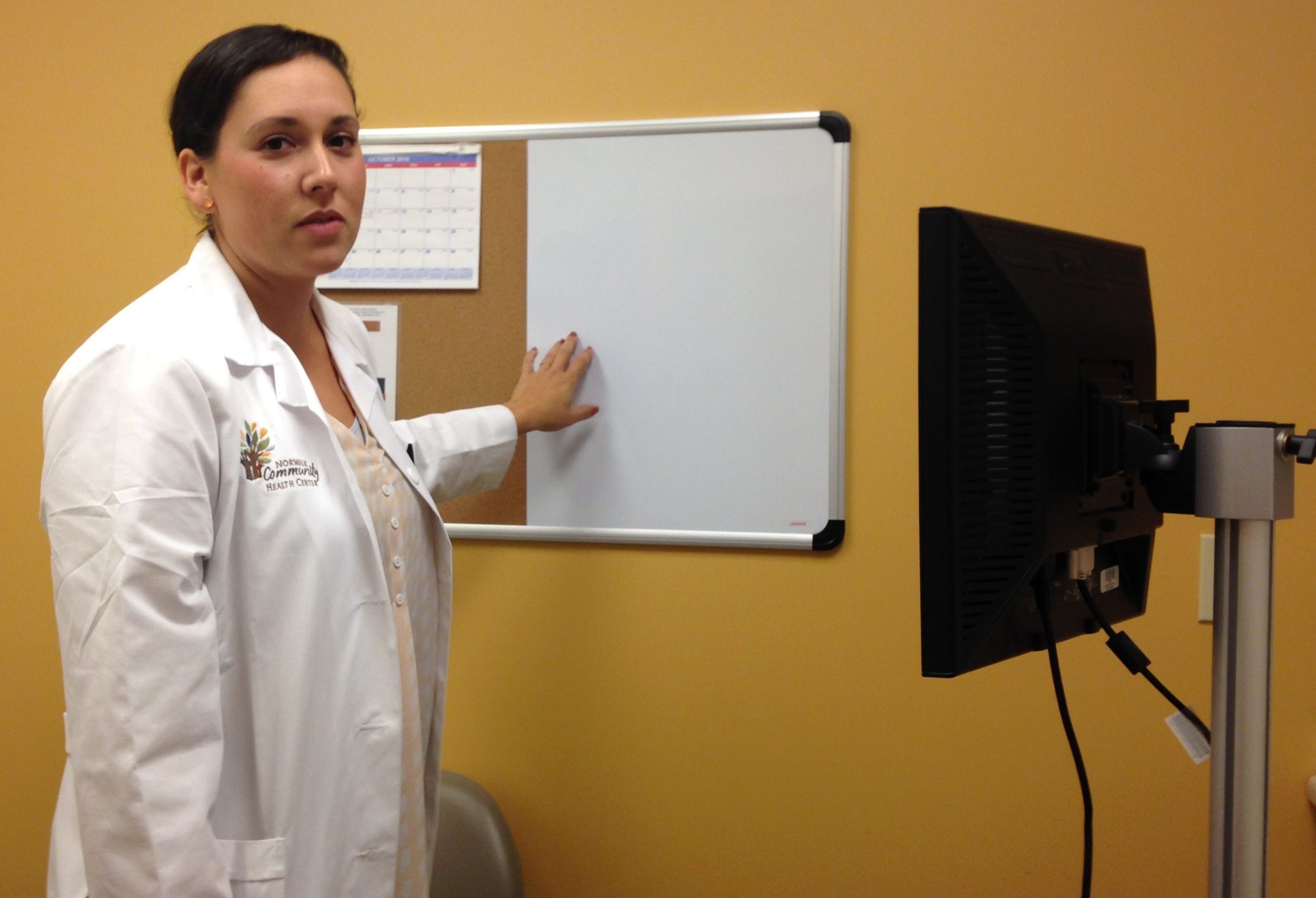
A health center tries a new way to deliver care, starting with longer appointments
Norwalk Community Health Center’s pilot program is small. But in shifting how care is delivered for patients with complex needs, it has implications for how the center treats all of its patients. It’s also an example of what a major, ongoing change in health care delivery could look like, a shift that could, ultimately, affect all patients in Connecticut.
Posted inHealth, Money
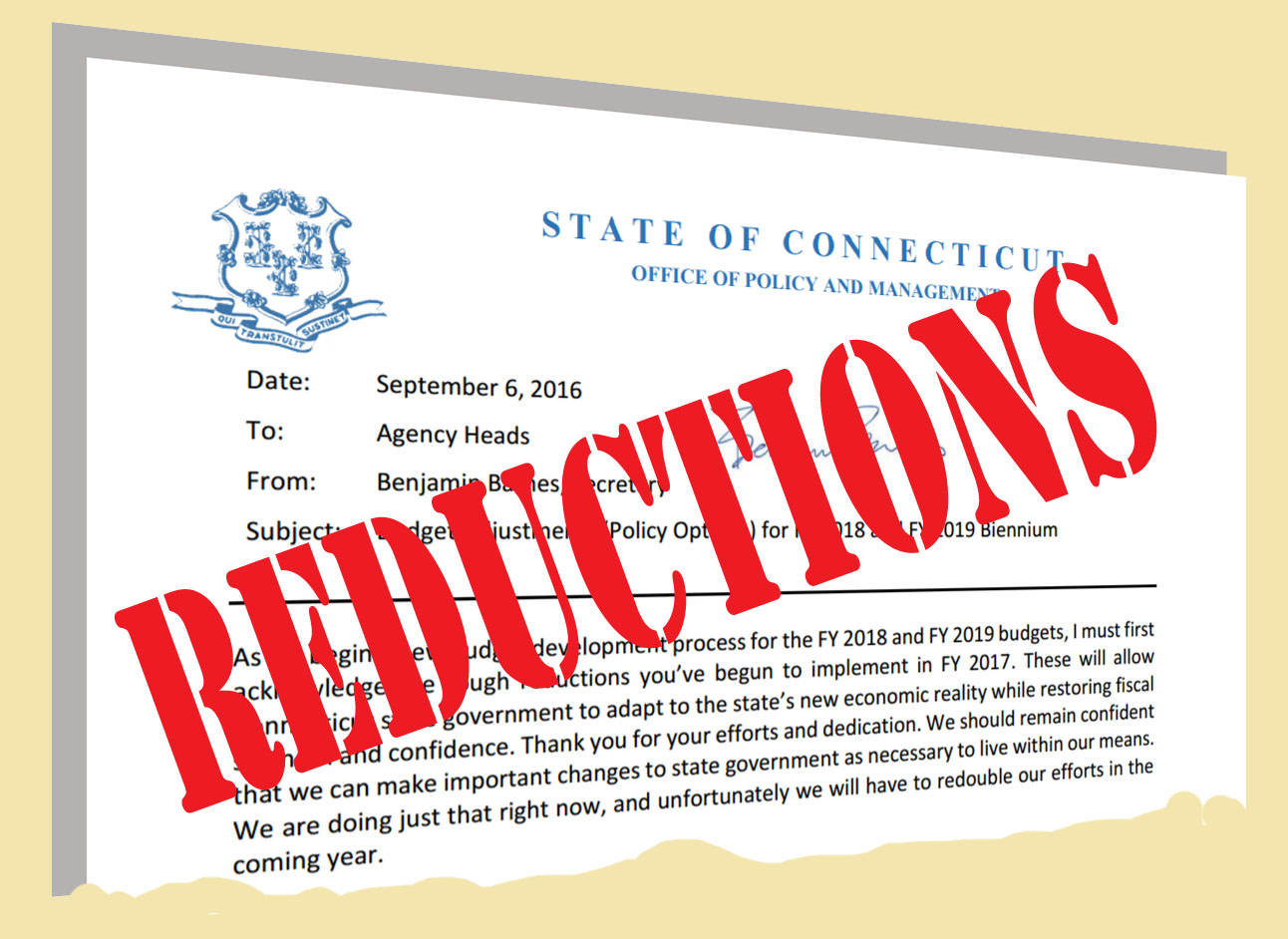
‘There’s a lot of anxiety:’ Mental health system braces for more cuts
So far, the impact of cuts to the state’s mental health system has been mixed, those involved say. Some agencies have absorbed reductions, while others have reduced hours, cut staff or closed programs. But nearly all expect that the cuts they’ve already faced are just a start.

Posted inHealth
Can an apartment cut health care costs of homeless ‘super users’?
Connecticut is part of a national demonstration program aimed at finding a new way to address the needs of homeless health care “super users.” It’s designed to test the questions: Can housing and support be the answer? Can it save money? And can it be sustainable?
Posted inHealth, Money, Politics
Hospitals say state puts them between a rock and a hard place
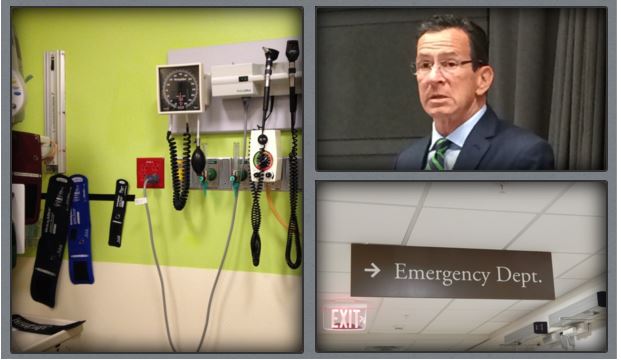
As hospital officials describe it, state policy is pushing them in two opposing directions. Higher state taxes and funding cuts have added to the factors pushing independent community hospitals to join larger health systems, they say. But at the same time, legislators concerned about the growth of large health systems have been pushing for new restrictions on changes in hospital ownership, which hospital officials say makes it harder for them to adapt.
Posted inMoney, Politics
Labor in the crosshairs as budget crunch worsens

Connecticut’s labor leaders insist the writing is on the wall. Barring a dramatic new development, they say, state employees will be asked to grant wage and benefit concessions for the third time in seven years. But that doesn’t mean workers are ready to endorse more givebacks.

Posted inHealth, Politics
Pediatricians back new push to allow medical marijuana for some kids
A proposal to allow minors with certain medical conditions to use marijuana for palliative purposes is back before legislators this year, this time with the backing of onetime opponents: pediatricians.

Posted inEducation, Justice
Youth incarceration down; obstacles remain for some discharges
Changes in sentencing policies for young offenders mean fewer inmates than ever are living at the Connecticut Juvenile Training School, though several youths on any given day remain locked up because there is nowhere else for them to go.

Posted inEducation
Ojakian hopes to calm the storm at CSCU, yet make merger work
The career public employee with a reputation for lowering the temperature in heated situations hopes that quality will help him resolve the underlying fiscal, labor and educational issues that plagued his predecessors.

Posted inHealth
Post-Newtown program helps children get mental health care
Addressing mental health issues has become an increasingly large part of pediatric practice, but few pediatricians said they could meet their patients’ behavioral health needs or easily access a psychiatrist to help. A program created in the wake of the Sandy Hook school shooting aims to change that by funding teams of psychiatrists to consult with pediatricians. It was used more than 5,000 times in its first year.