


A proposal to allow minors with certain medical conditions to use marijuana for palliative purposes is back before legislators this year, this time with the backing of onetime opponents: pediatricians.
Deeper Look
Posted inEducation
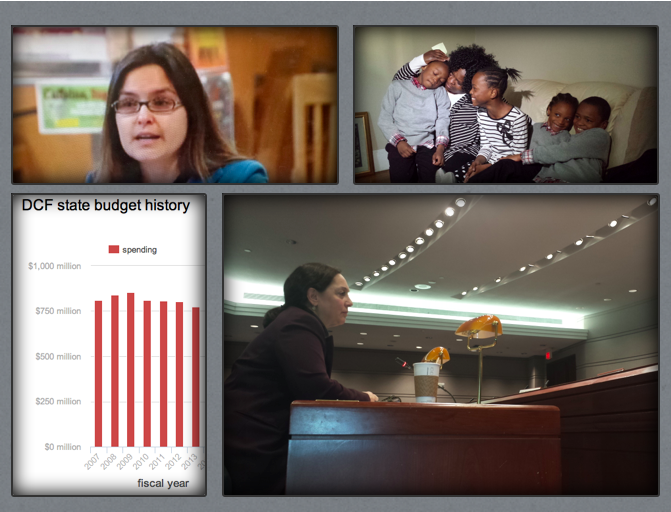
Cutting DCF: Right-sizing or wrong-headed?

The Department of Children and Families says it has been able to absorb large budget cuts and better serve vulnerable children by placing more of them with family members and fewer with strangers in expensive group homes. But critics say the agency hasn’t been allowed to redirect enough of those savings into community support to improve outcomes. And more cuts loom.

Posted inEducation
Staffing problems hamper failing schools, educators testify
Connecticut’s lowest-performing schools need great teachers and other support staff in order to improve, but education leaders from Bridgeport, East Hartford, New Britain and Windham have told a Superior Court judge that they lose waves of their best teachers each year, have trouble hiring replacements, and have too few teachers and other support staff to keep their students from falling further behind.

Posted inEducation, Justice
Closing CT’s juvenile jail: Opportunities and obstacles ahead
With Connecticut’s controversial jail for young offenders slated to close within two-and-a-half years, state leaders have begun to contemplate what an alternative juvenile justice system should encompass.

Posted inEducation
School funding on trial: 5 things to know
A trial has begun in Hartford that is taking a deep dive into the conditions in the state’s lowest-performing schools. Here are some important things to know as the five-month proceeding unfolds.

Posted inEducation
On trial: Is educational opportunity sufficient everywhere in CT?
Opening arguments begin today in a trial five-month trial to ultimately determine whether the education being provided in Connecticut’s lowest-achieving school districts fulfills the state’s constitutional obligation.

Posted inEducation
Educating students during an expulsion: Tutoring, alternative schools or nothing?
A new lawsuit claims that expelled students are placed in “hostile” alternative education settings where they get little instruction, the work is too easy, and no grades or feedback are provided.
Posted inEducation
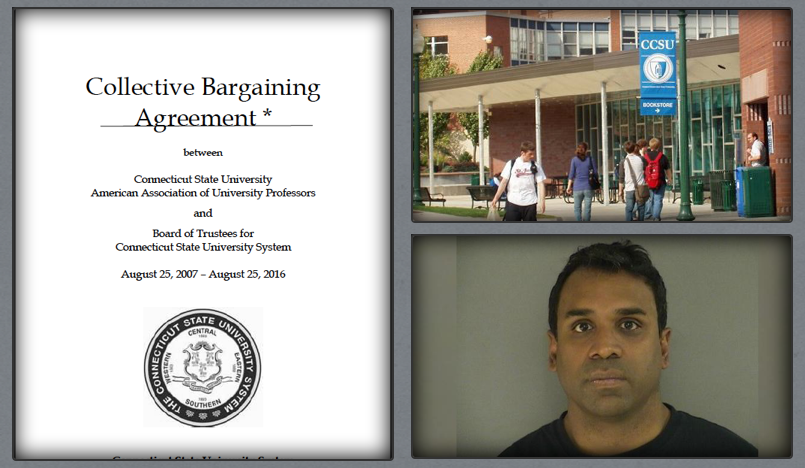
As professor racks up convictions, CSCU unable to consider them in employment decisions
What’s a college president to do with a professor who keeps getting arrested in his spare time? And if a professor is disciplined in connection with his job, should students and the public be able to find out? At the regional Connecticut State Universities, the answers to those questions will soon be sorted out.

Posted inEducation, Justice
Youth incarceration down; obstacles remain for some discharges
Changes in sentencing policies for young offenders mean fewer inmates than ever are living at the Connecticut Juvenile Training School, though several youths on any given day remain locked up because there is nowhere else for them to go.

Posted inEducation
Ojakian hopes to calm the storm at CSCU, yet make merger work
The career public employee with a reputation for lowering the temperature in heated situations hopes that quality will help him resolve the underlying fiscal, labor and educational issues that plagued his predecessors.

Posted inHealth
Post-Newtown program helps children get mental health care
Addressing mental health issues has become an increasingly large part of pediatric practice, but few pediatricians said they could meet their patients’ behavioral health needs or easily access a psychiatrist to help. A program created in the wake of the Sandy Hook school shooting aims to change that by funding teams of psychiatrists to consult with pediatricians. It was used more than 5,000 times in its first year.

Posted inEnergy & Environment
Herbicide finding intensifies battle over GMO labeling

More than two years after passing the nation’s first law requiring labels on most foods containing genetically engineered components, there are still no labels for Genetically Modified Organisms – GMOs – in Connecticut or anywhere else in the U.S. But GMO labeling advocates now have some new ammunition for a counter-offensive.

Posted inEducation
School desegregation: Will focus shift from magnets to suburbs?
As Connecticut spends billions to build and run 42 racially integrated magnet schools in an effort to meet a court desegregation order, the state has failed to substantially grow a far less expensive alternative by enrolling city students in suburban schools.

Posted inEducation, Justice
CSCU seeks funding to offer college degrees to inmates
The state’s largest public college system is asking the federal government to fund degree-granting programs in nine of the state’s prisons. The programs would help inmates successfully return to society and boost falling enrollment at the state’s community colleges.
Posted inEducation
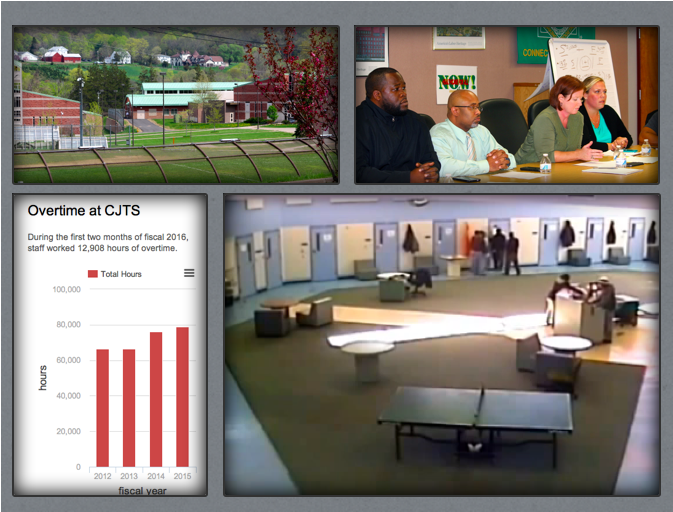
Long hours for many staff at juvenile jails
A heavy reliance on overtime at the state-run juvenile jails raises a number of questions, including whether it is cost-effective and whether it over-stresses staff, making them less effective in managing difficult situations with inmates.