

With no single solution capable of restoring Connecticut’s fiscal health, the state probably will need a multi-faceted solution that will spark fierce opposition among all constituent groups. Third in a series.
Deeper Look

Posted inEducation, Health, Money, Politics
A legacy of debt: Connecticut standing on its own fiscal cliff
The budget that Gov. Dannel P. Malloy will present to the legislature Feb. 8, in an attempt to close $3 billion in deficits over the next two years, is only a portent of a far greater, long-term challenge facing the state. First in a series.
Posted inHealth
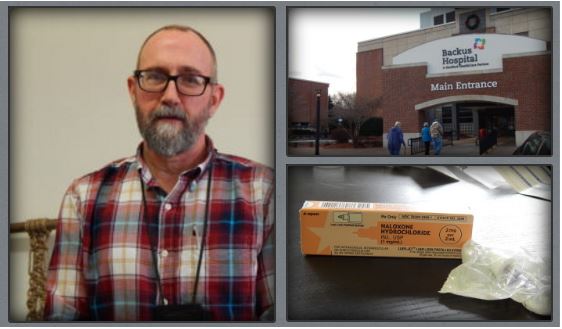
After the save: A drug can reverse an overdose. Then what?

The drug naloxone can reverse an opioid overdose. Experts say it’s a vital tool, but in many ways, a short-term one: Naloxone saves lives, but it doesn’t necessarily change them. Now, a pilot program in one emergency room aims to connect people who have been revived after overdoses to longer-term recovery help.
Posted inHealth
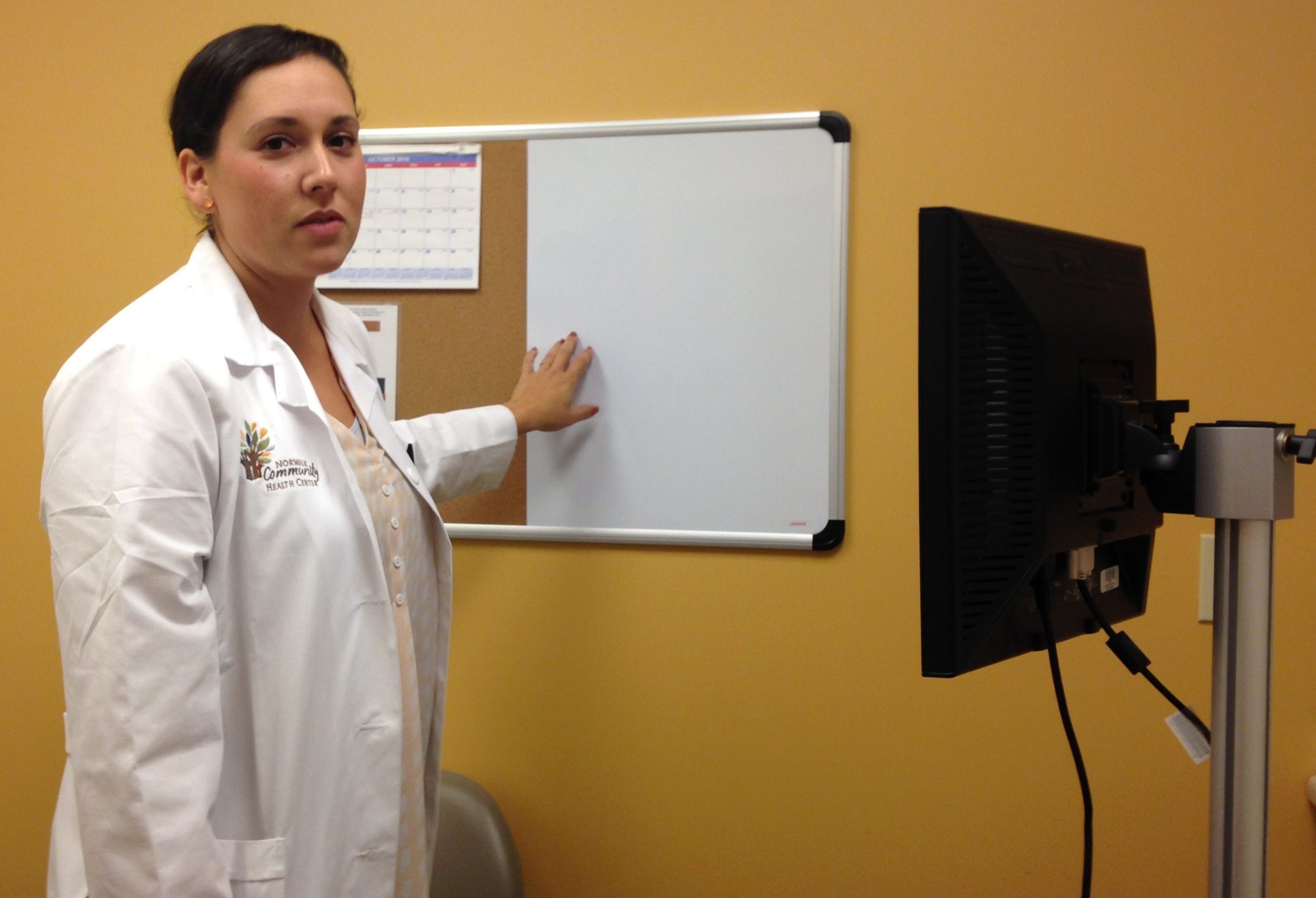
A health center tries a new way to deliver care, starting with longer appointments
Norwalk Community Health Center’s pilot program is small. But in shifting how care is delivered for patients with complex needs, it has implications for how the center treats all of its patients. It’s also an example of what a major, ongoing change in health care delivery could look like, a shift that could, ultimately, affect all patients in Connecticut.

Posted inCities & Towns, Energy & Environment, Transportation
Movement to complete state’s trails gaining momentum

For more than two decades, most of the new multi-use trails built in the state were almost entirely the work of local volunteers. In the past five years, however, Gov. Dannel P. Malloy and his transportation commissioner, James Redeker, have turned that narrative on its head. The state is now including non-motorized trails in its planning efforts and making major investments in them.
Posted inEducation, Justice
Troubled schools on trial: Will a scathing court decision lead to action?

While changing the way the state distributes school aid among towns may draw substantial support from legislators and the governor, they have shown little interest in, or have outright rejected, changing other polices a Superior Court judge found unconstitutional. Last of seven stories.

Posted inEducation, Justice
Troubled schools on trial: Special education driving costs and controversies
The rate at which students are identified for special education varies drastically across school districts, and school officials differ on whether that’s because districts are over- or under-indentifying students. But they agree the rising cost to educate these students has outpaced inflation and crowds out other supports for students. The state judge presiding over a recent school funding trial blamed the state for not enforcing clear mandates on who is entitled to special education. Sixth of seven stories.

Posted inEducation, Justice
Troubled schools on trial: What does a high school diploma prove?
A seeming paradox – rising graduation rates coupled with low standardized test scores and high demand for remedial courses in college – was among the reasons that a Hartford Superior Court judge ruled that the state fails to provide students with the education the state constitution says they are entitled to. Fifth of seven stories.

Posted inEducation
Troubled schools on trial: Who’s in charge? State vs. local control
Introducing bold reforms or enforcing standards to aid struggling students in poor districts have largely stalled at the state Capitol or the State Department of Education amid conflict over policy, local control or whether resources are adequate. Fourth of seven stories.

Posted inEducation, Justice
Troubled schools on trial: Building boom, pensions lock in big costs statewide
School construction costs, coupled with well over $1 billion the state must contribute each year toward teachers’ pensions, mean about 40 percent of the state’s annual education spending is locked in for years to come. Third of seven stories.
Posted inEducation, Justice
Troubled schools on trial: A broken formula for state aid
To fix the formula, legislators would have to decide whether there is inequity in how state aid is distributed to towns, simply a lack of money, or both. Any major change would mean huge fiscal consequences and political battles. Second of seven stories.

Posted inEducation, Justice
Troubled schools on trial: When poverty permeates the classroom
“The state of education in some towns is alarming,” wrote the judge presiding over a recent five-month trial on state funding of failing schools. Whether the state is doing enough to educate children in poverty was at the core of the case, which explored the struggles of students in the state’s lowest-performing schools. First of seven stories.

Posted inHealth
CT stepping up efforts to treat trauma in the very young
A baby crying inconsolably. A toddler stealing food. They’re signs of trauma, but often, even those who work with young children don’t recognize them. Can a new effort change that?

Posted inHealth
After law change, children begin receiving medical marijuana
Parents pushed for the new law in hopes medical marijuana could help alleviate their children’s debilitating seizures. Now they’re trying it.

Posted inEnergy & Environment
Above the waves, Connecticut fishermen struggle to hang on

Shifting fish species have Connecticut fishermen in an emotional dispute over how the U.S. fishing system operates. They’re calling, if not downright begging, for immediate changes to fish allocations to save the state’s fishing industry from what many believe is its inevitable ruin. But others in the scientific and environmental communities are saying – maybe not so fast.