


The Senate chairwoman of the legislature’s Sportsmen’s Caucus conceded Wednesday she’s uncertain how much can be done to fix the situation, given state government’s ongoing fiscal woes.
Energy and Environment

Posted inEnergy & Environment, Money
As DEEP cuts budget and park hours, it gets a surprising new role

The state Department of Energy and Environmental Protection announced cutbacks Friday at state beaches, parks and campgrounds. Left out of the announcement was a significant wrinkle: As the department struggles to manage its various assets with less money, it is being handed a significant new responsibility – managing the Old State House in Hartford.

Posted inEnergy & Environment, Money
Green Bank raid upsets business, environmental communities

The raid on the Green Bank and other clean energy programs to help plug the state’s huge budget deficit is bringing together groups often at odds. Environmentalists and business interests, including the state’s most prominent business lobby, agree the raid is a bad idea.
Posted inEnergy & Environment
CT Senate passes bill to stabilize revenues in nuclear industry
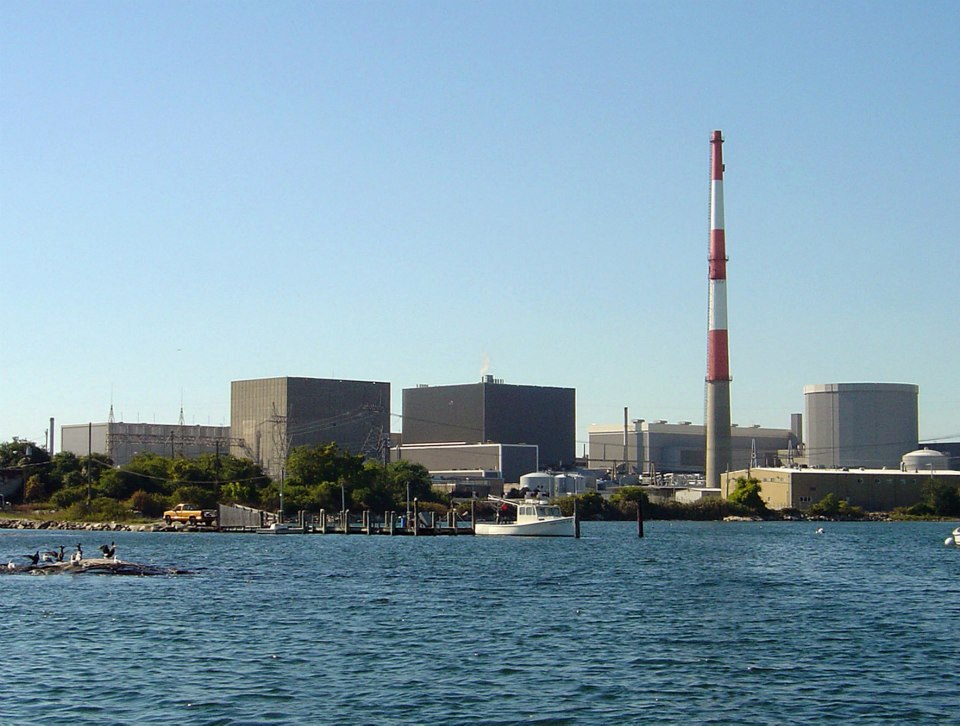
A national campaign by the nuclear industry to stabilize profits in a volatile energy market scored a victory Friday night with the unanimous passage of bipartisan legislation changing the rules for procuring electricity in Connecticut, a state heavily reliant on nuclear power.

Posted inEnergy & Environment, Politics
Recycling food waste in Connecticut: Slow as molasses
Five years after legislative initiatives designed to do something about the large amount of food waste in Connecticut’s trash, very little has been implemented, and the food waste problem is getting bigger. A lot bigger.
Posted inEnergy & Environment
CT lawmakers hoping federal study will block Plum Island sale

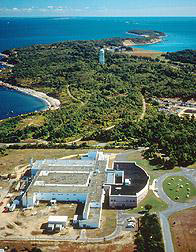
WASHINGTON — Connecticut lawmakers are hoping a study they helped commission will stop the federal government from selling Plum Island, 840 acres of land in Long Island Sound where the federal government used to study dangerous animal diseases.

Posted inEnergy & Environment, Politics
Nuclear power’s regulatory campaign comes to Connecticut
Evan Bayh, the former governor of a coal-burning, nuclear-free state, arrived in Hartford as the smiling face of the nuclear power industry Thursday, making a soft sell for Connecticut to consider ways to keep its Millstone station economically viable.
Posted inEnergy & Environment, Politics
Nuclear power’s future in Connecticut is on the table
The economic viability of the Millstone nuclear station in Waterford, the largest power plant in New England and a crucial factor in Connecticut’s commitment to reduce greenhouse gases, is about to become a major issue in Hartford.

Posted inEnergy & Environment
A shifting ground for artificial turf in Connecticut
A number of cancer cases around the country among young athletes who played on artificial turf fields made with a crumb rubber filler have spurred calls for further research into the safety of the fields.

Posted inEnergy & Environment
Shared solar program in Connecticut stalled over who pays for what
Connecticut’s shared solar pilot program has already missed its first deadline and faces even more delays. In the meantime, arguments over how to pay for clean energy are bubbling up again.
Posted inEnergy & Environment
Massive rail plan leaves Connecticut hopeful but mystified
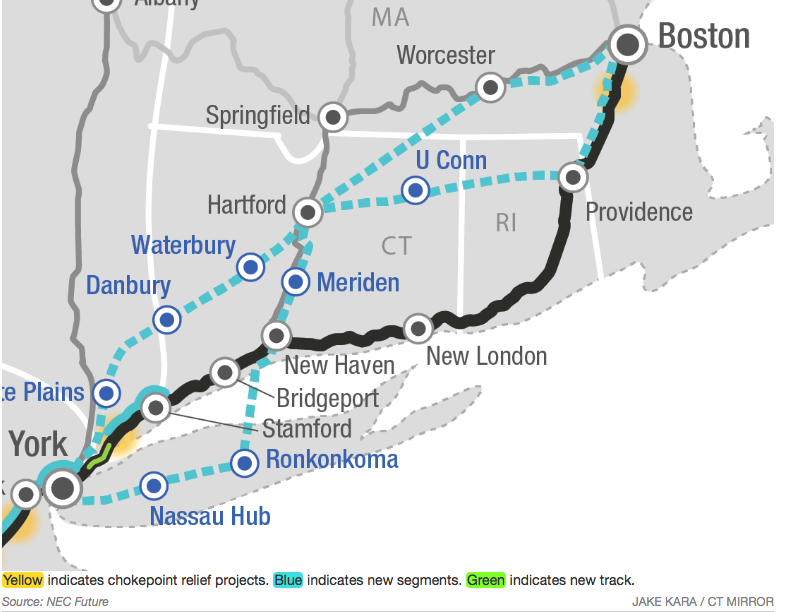
Proposals to reinvent the Northeast Corridor rail system could impact Connecticut more than any other state. But a lack of detail in the plans is causing exasperation even among those who have been pushing for rail improvements for decades, and it has environmentalists worrying whether losses will outweigh the benefits.
Posted inEnergy & Environment
EPA’s Gina McCarthy stops by with a Paris postcard
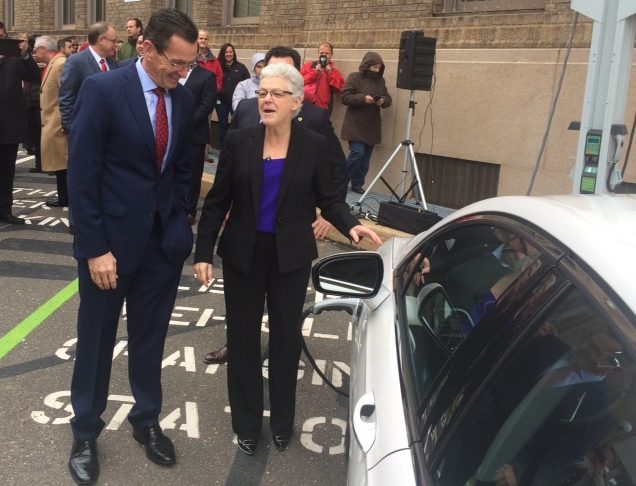
Gina McCarthy, the environmental regulator who worked in New England for Govs. Mitt Romney and M. Jodi Rell before leading the charge for President Obama on climate change, returned to Hartford on Friday for a post-Paris curtain call. She said the deal will create markets for clean energy.
Posted inEnergy & Environment
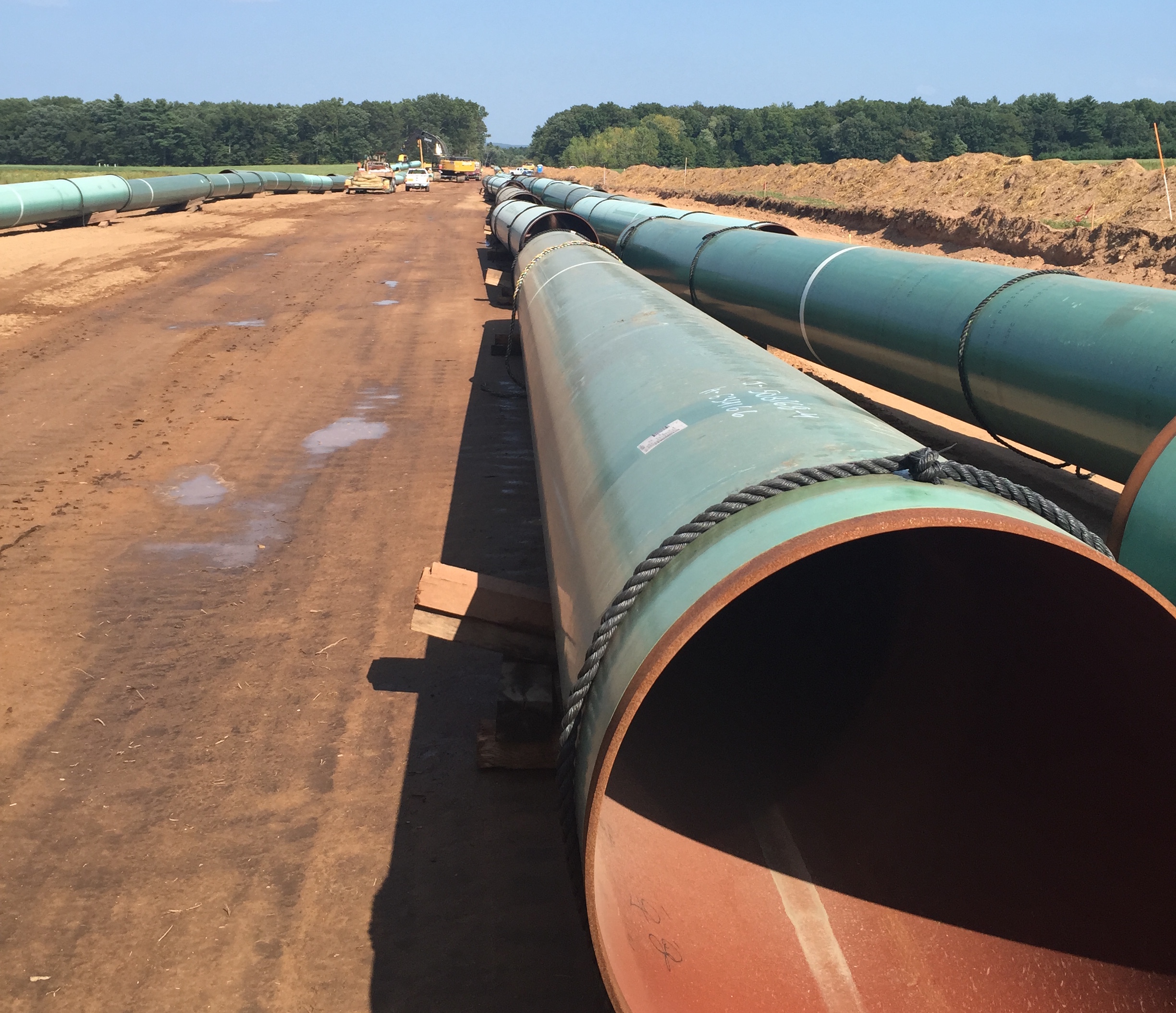
Winter power, gas supplies, new pipelines – a volatile mix in CT
Another winter, another warning from the folks who run the power grid that natural gas shortages could cause power problems. The warning once again focuses all eyes on natural gas pipelines – viewed as either a big answer to the region’s power difficulties or a big problem, depending on whom you talk to.

Posted inEnergy & Environment
Bridgeport election sparks anxiety over big environmental plans
BRIDGEPORT — With Mayor Bill Finch leaving office soon, there is concern for the incomplete environmental projects in his BGreeen 2020 initiative. Some worry that Mayor-elect Joseph P. Ganim, who campaigned on cutting taxes, could choose to pull the plug on some of the projects – especially those that involve city money.

Posted inEnergy & Environment
Herbicide finding intensifies battle over GMO labeling
More than two years after passing the nation’s first law requiring labels on most foods containing genetically engineered components, there are still no labels for Genetically Modified Organisms – GMOs – in Connecticut or anywhere else in the U.S. But GMO labeling advocates now have some new ammunition for a counter-offensive.