


WASHINGTON – For years Connecticut companies, large and small, have benefitted from a federally backed bank that helps them sell their goods overseas — but a bitter fight over whether the Export Import Bank is taxpayer-funded corporate welfare has put its future in question.
Energy and Environment

Posted inEnergy & Environment
Shared solar tries again to light up Connecticut

For the second year in a row, legislation to allow shared-solar installations to be built in Connecticut is facing a rough road. While some want to go slowly with only a couple of pilot projects, others want to plunge right in based on the models and success shared solar is having around the country. The goal for advocates is to avoid last year’s result, which was nothing.

Posted inEnergy & Environment
Connecticut looking for new ways to fund its parks
Faced with a $2 million dollar cut to the Connecticut parks budget, the legislature is considering a new funding model. With 140 state parks and forests, the state is poised to join a trend among states of cobbling together park funding from an array of sources.
Posted inEnergy & Environment
Connecticut legislators set energy agenda for 2015

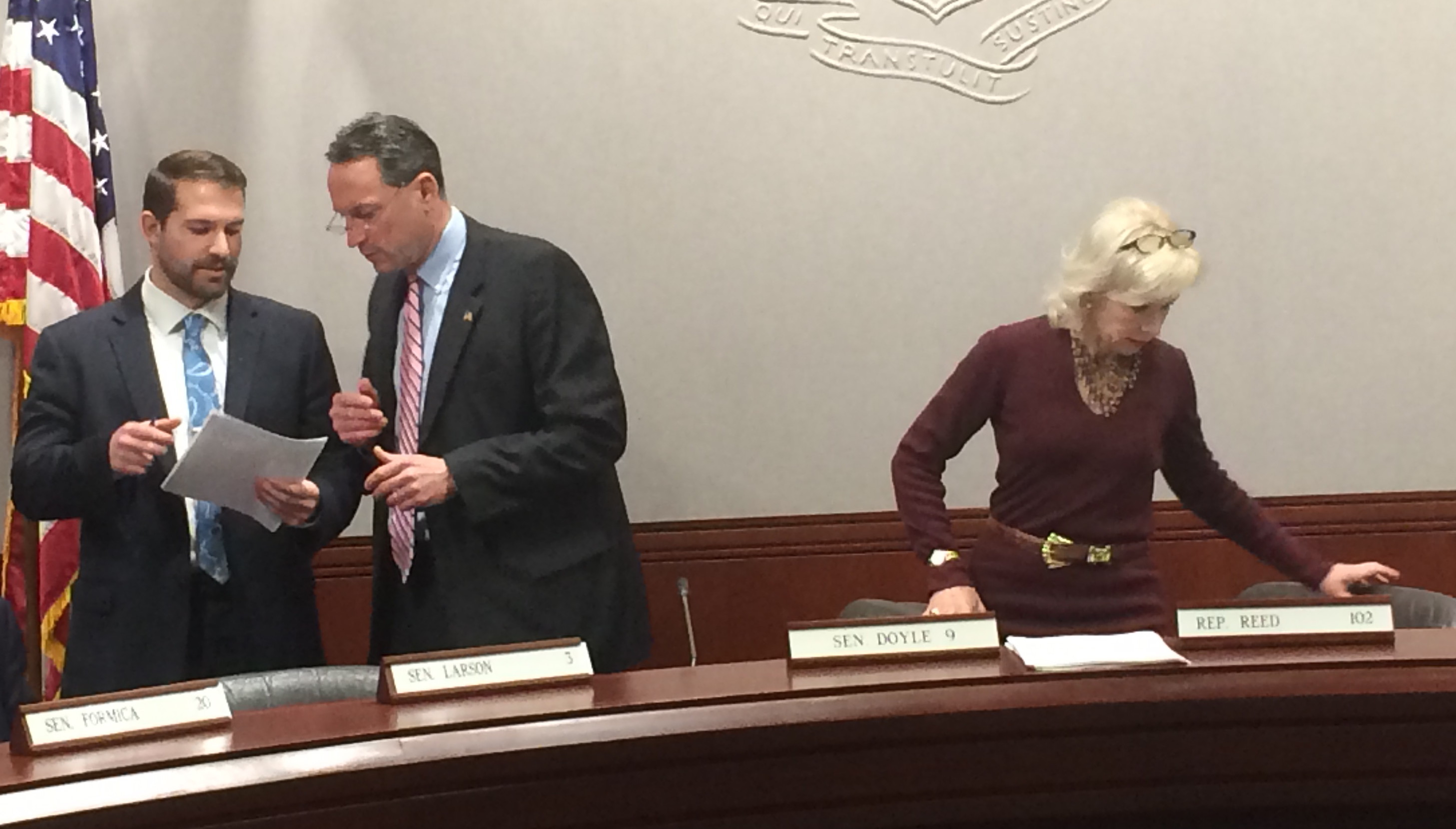
With a packed audience of lobbyists waiting and watching, a legislative committee approved three dozen bills Tuesday that define the General Assembly’s relatively modest ambitions on energy policy in 2015. The more significant bills would ban variable electric rates for residential customers, cap the fixed-costs portion of electric bills and authorize state officials to explore expanding the supply of natural gas in Connecticut.
Posted inEnergy & Environment
Connecticut oil dealers battle cold, snow, prices and policy
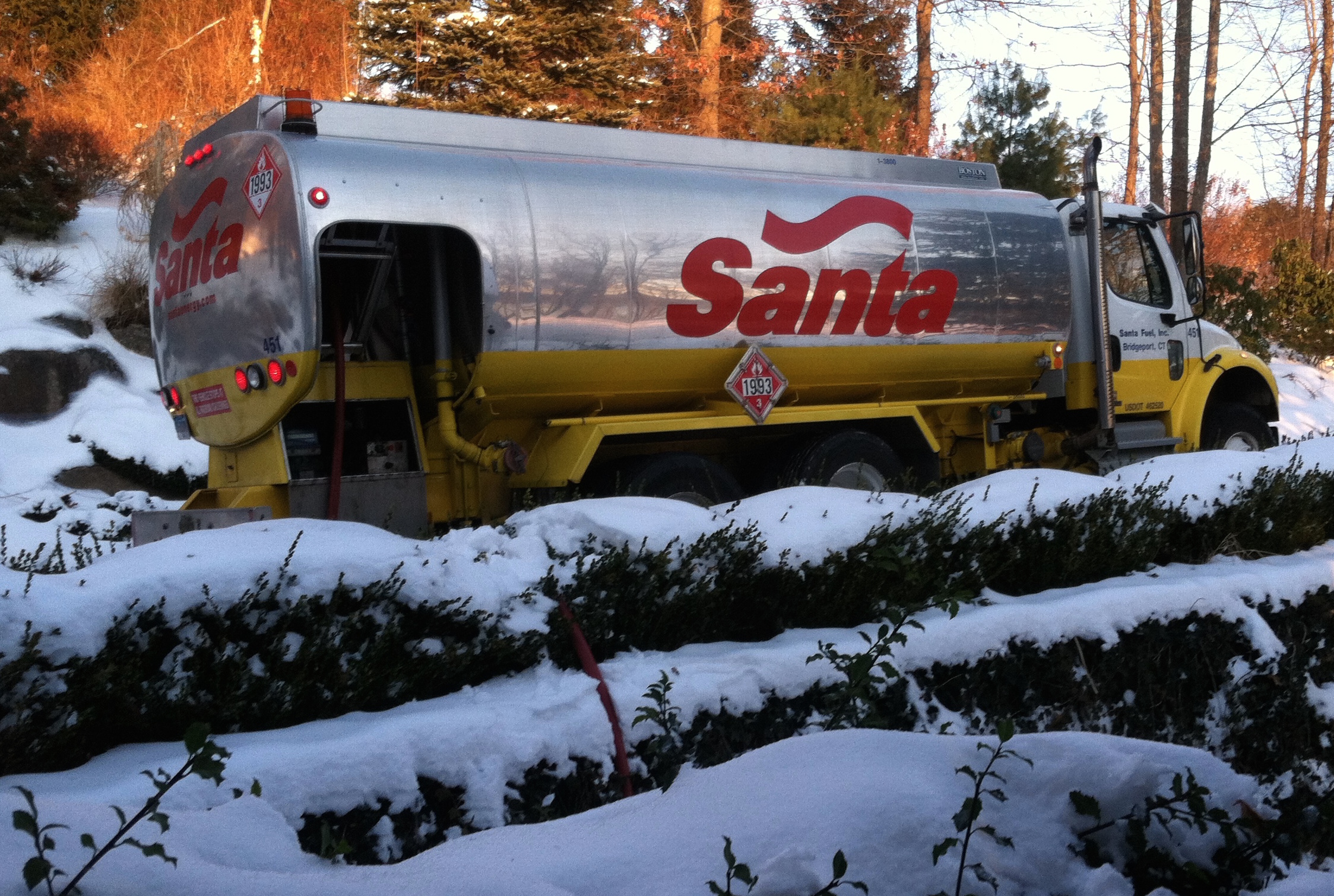
A cold winter and low oil prices help a little as Connecticut oil dealers fight to remain relevant in the face of state policy that encourages people to switch from oil to gas heat.

Posted inEnergy & Environment
Power and prices weather the winter
Despite record low temperatures and snow, this winter has not triggered the same electric power problems and high prices the region suffered through the last two winters.

Posted inEnergy & Environment
A storm rages over CT’s stormwater
Managing the water that flows into the thousands upon thousands of storm drains around the state — an otherwise standard municipal function — has become something close to a standoff between the Department of Energy and Environmental Protection and a battalion of those municipalities.

Posted inMoney
About face: Legislators push ban on variable electric rates
A new push to ban variable electric rates is a tacit admission by key legislators that a 2014 consumer protection law was insufficient to protect customers against bait-and-switch marketing by some of the electric retailers who compete with United Illuminating and Connecticut Light & Power, now known as Eversource Energy.
Posted inEnergy & Environment
Snow plus salt equals Connecticut controversy
The salt treatments used in Connecticut to get snow and ice off the roads are spurring debate over what they may or may not be doing to vehicles and the environment. But everyone agrees they do a good job clearing the roads.
Posted inEnergy & Environment
Connecticut’s summer air some of the worst on East Coast
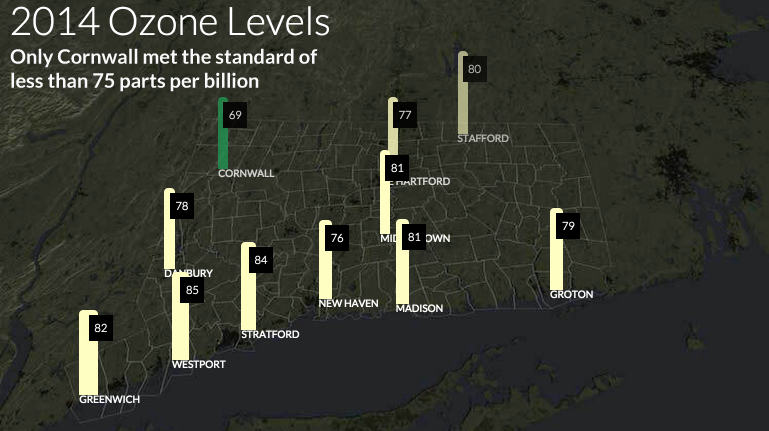
As the EPA readies new air pollution standards, Connecticut not only doesn’t meet the old ones, it has some of the worst air in the country — and it’s been getting worse.

Posted inEnergy & Environment
Utility regulators make a pitch for independence from DEEP
Nearly four years after Connecticut’s independent utility regulatory body became part of the Department of Energy and Environmental Protection, the regulators are asking for their independence back.

Posted inEnergy & Environment
CT creeps toward electric grid 2.0
Connecticut is starting a process to modernize the state’s electric grid to make it cleaner, leaner and more adaptable to new methods of power generation and distribution. Exploring how to do that will be a major focus for the state Department of Energy and Environmental Protection, beginning early next year.

Posted inEnergy & Environment
A decade brings dramatic change to Connecticut wildlife
As Connecticut undertakes the 10-year update to its Wildlife Action Plan, it faces challenges not even imagined a decade ago — most notably, the dramatic effects of climate change.

Posted inEnergy & Environment
Electric vehicle use creeps along; proponents urge a bigger push
With only 1,300 plug-in electric vehicles in the state, there’s growing sentiment that Connecticut hasn’t done enough to encourage their purchase, and that added incentives are needed to get more of them on the road.
Posted inPolitics
For a second time, Tom Foley works to close the deal
It’s a simple question that executive search committees ask. The query is meant to test whether the desire to be a chief executive can be crystallized into a single concrete act: OK, let’s say you have the job, what do you do first? It’s a question Tom Foley has no answer for. Second of a two-day series.