

The complexity of health insurance and lagging levels of insurance literacy have long been a concern. But many experts say the problem is particularly urgent now that the federal health law has expanded coverage to millions more people, including many who have limited experience with insurance and some who speak limited English. Second story in an occasional series on major issues shaping health care in the wake of the Affordable Care Act.
Health
Stories about health care access and affordability in CT, as well as abortion, COVID, health equity and disparities, health systems and social determinants of health.
Dive Deeper: Abortion · Access Health CT · COVID-19 · CT Rural Hospitals

Posted inHealth
CT removes age limit for infertility treatment coverage mandate
Health insurance plans sold in Connecticut will no longer be allowed to limit coverage of medically necessary infertility treatment to people under 40, according to new guidance issued by the Connecticut Insurance Department Thursday.

Posted inHealth, Politics
Law enforcement access to CT drug monitoring data raises privacy concern

WASHINGTON — Connecticut’s Prescription Monitoring Program aims to stop the misuse of opioids and other dangerous drugs and save lives. But some are concerned these programs have given law enforcement officers access to private information about prescription drugs in your medicine cabinet.

Posted inHealth
Feds say state should give back up to $24 million in Medicaid money
In response, the state Department of Social Services agreed to repay $957,943 to the federal government. But the agency said it does not believe that it should refund the other $23 million.
Posted inHealth
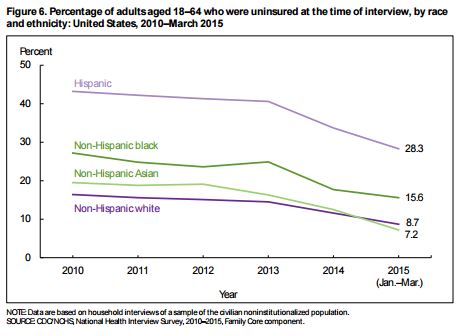
New England uninsured rate less than half the national average
Among New England states, 4.3 percent of residents were uninsured at the time they were interviewed, compared to a national average of 9.2 percent, according to the National Health Interview Survey.

Posted inHealth
The next big push: Getting people health care, not just insurance
Since the federal health law’s major provisions rolled out last year, much of the attention has been on getting people signed up for coverage. But increasingly, the focus is turning to what comes next: making sure those who gained coverage use it to improve their health, and ensuring that the health care system adapts to meet their needs. First story in an occasional series on major issues facing health care.
Posted inHealth
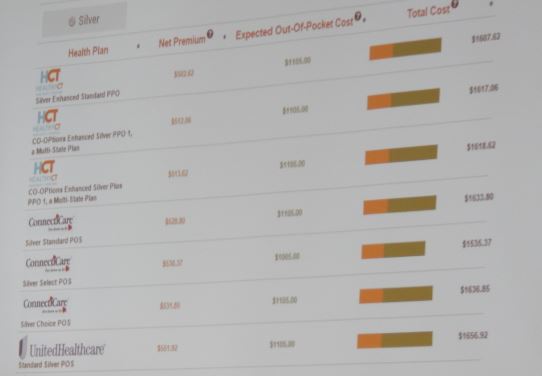
In insurance, premium isn’t the full price. Can a tool help shoppers?
Many people shopping for health plans look for the lowest monthly cost. But experts say that’s not necessarily the best buy. Connecticut’s insurance exchange is trying to reinforce that with a tool to help customers get a fuller picture of their potential costs.

Posted inEducation, Health
Most middle and high schools start too early, CDC study says
In Connecticut, fewer than 5 percent of middle and high schools started at 8:30 or later, one of the lowest rates in the country.

Posted inHealth
Cuts at Windham Hospital prompt worries about access to care
The hospital’s parent company says cuts are needed to keep the hospital open, but critics say the reductions being contemplated could undermine access to care in a part of the state with few hospitals and limited public transportation.

Posted inHealth, Politics
Murphy presses for mental health overhaul
WASHINGTON – Sen. Chris Murphy has teamed up with a Louisiana Republican to press for an overhaul of the nation’s mental health system at a time when Congress – stung by a rash of mass shootings by mentally unstable people – may be willing to consider changes.
Posted inHealth
Depression screening urged for pregnant women, new moms

A new proposal by the U.S. Preventive Services Task Force recommends that all women who are pregnant or within a year of giving birth be screened for depression.
Posted inHealth, Money, Politics
CT lawmakers push back on pharmaceutical issue in TPP
WASHINGTON – As negotiators for a massive Pacific Rim trade pact meet in Maui for a final round of talks, Connecticut lawmakers are pressing for changes they say will keep the price of key medicines affordable for patients who need them overseas and in the United States.

Posted inHealth
Trying to break the cycle that creates health care ‘super-users’
By grappling with a host of issues the medical system hasn’t traditionally handled, a Middletown-based team tries to help patients who use large amounts of health care resources that often have little impact on the psychiatric or social service needs that keep them coming back.

Posted inHealth
Insurer: Cost of cholesterol meds, other drugs driving rate hikes
High-cost specialty drugs, including a new class of cholesterol medications expected to come to market later this year, are key drivers of the need to raise health insurance premiums by nearly 10 percent, ConnectiCare’s chief actuary told regulators Monday

Posted inHealth
What does the Anthem-Cigna deal mean for consumers?
Experts say potential benefits of consolidation include economies of scale that can lead to reduced costs, while potential drawbacks include reduced competition that could have the opposite effect on prices.