


After watching state income tax receipts fall short of expectations for three years in a row, Gov. Dannel P. Malloy and the legislature could be on the cusp of some fiscal good fortune this spring – albeit something modest.
On the state revenue front, an early hint of good news
Posted inCT Viewpoints
Pulling plug on Connecticut’s aid-in-dying bill is not an acceptable response

The quiet death in committee of the so-called aid-in-dying bill is another instance of legislator’s ducking their responsibility to vote on and make their positions known on controversial issues. The “Too Difficult” sign is simply constraining our policy choices, locking us in a system that is not working.

Posted inEducation
UConn graduate assistants reach first accord with university
The University of Connecticut and its graduate assistants’ union have reached a tentative first-ever agreement on a three-year contract that grants the assistants nine percent pay raises over the next three years.

Posted inPolitics
A Connecticut prison is rededicated to sending men home

Serafettin Senel and Andrew Phillips are inmates at the Willard-Cybulski prison complex, one of Connecticut’s expensive monuments to the mistakes of men. Like 90 percent of everyone sentenced to prison, they eventually will go home. On Tuesday, they became symbols of a new effort to prepare them for that day.
Posted inHealth
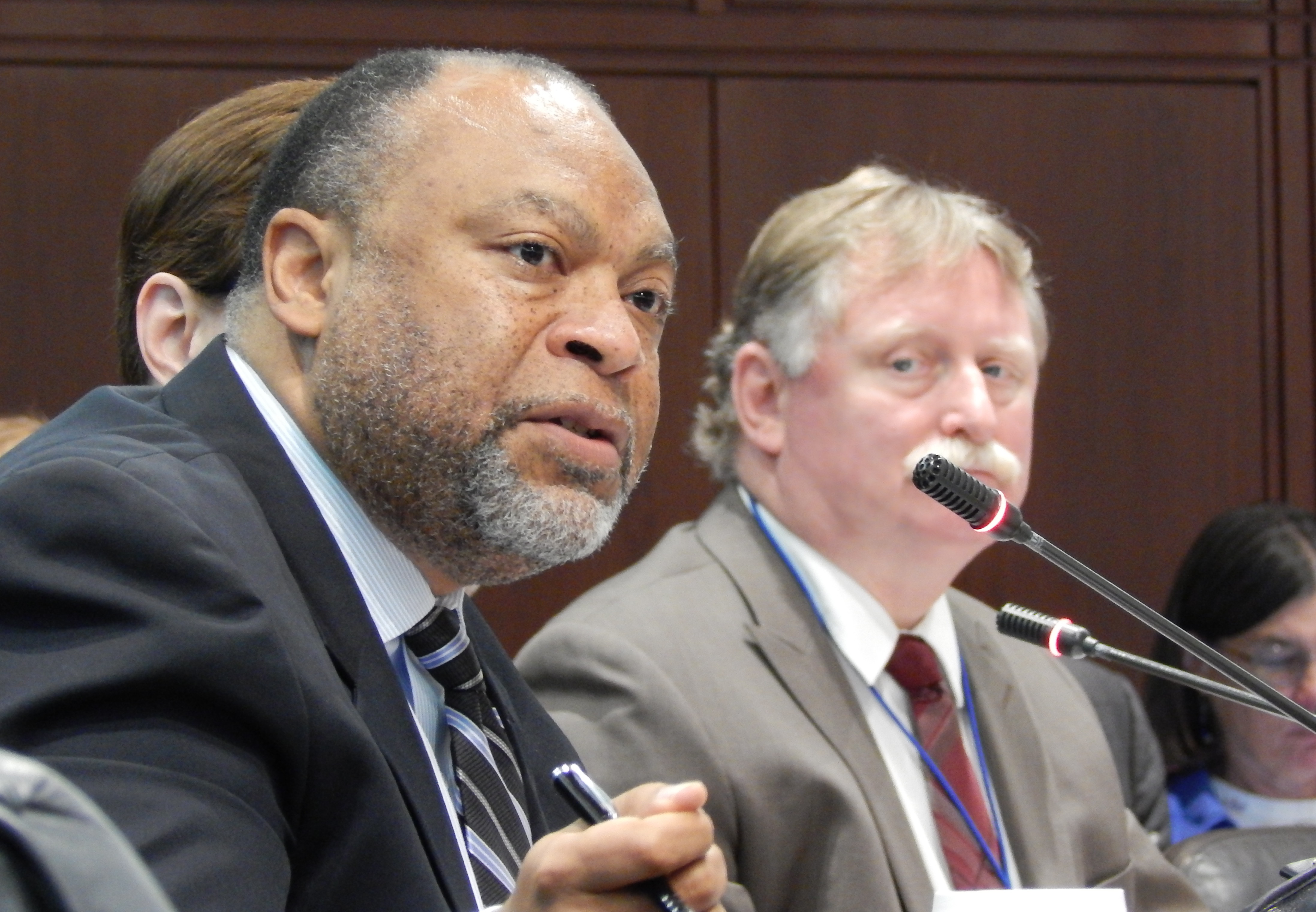
Still on hold: A solution for long DSS call-wait times

It took an average of 54 minutes for callers to reach a Department of Social Services worker by phone last month. That’s an improvement over February’s 70-minute average, and one of the lower average monthly wait times in the past year. But client advocates say it’s long past time things be improved in the phone system, which launched in July 2013 as part of a highly touted “modernization” initiative.
Posted inMoney
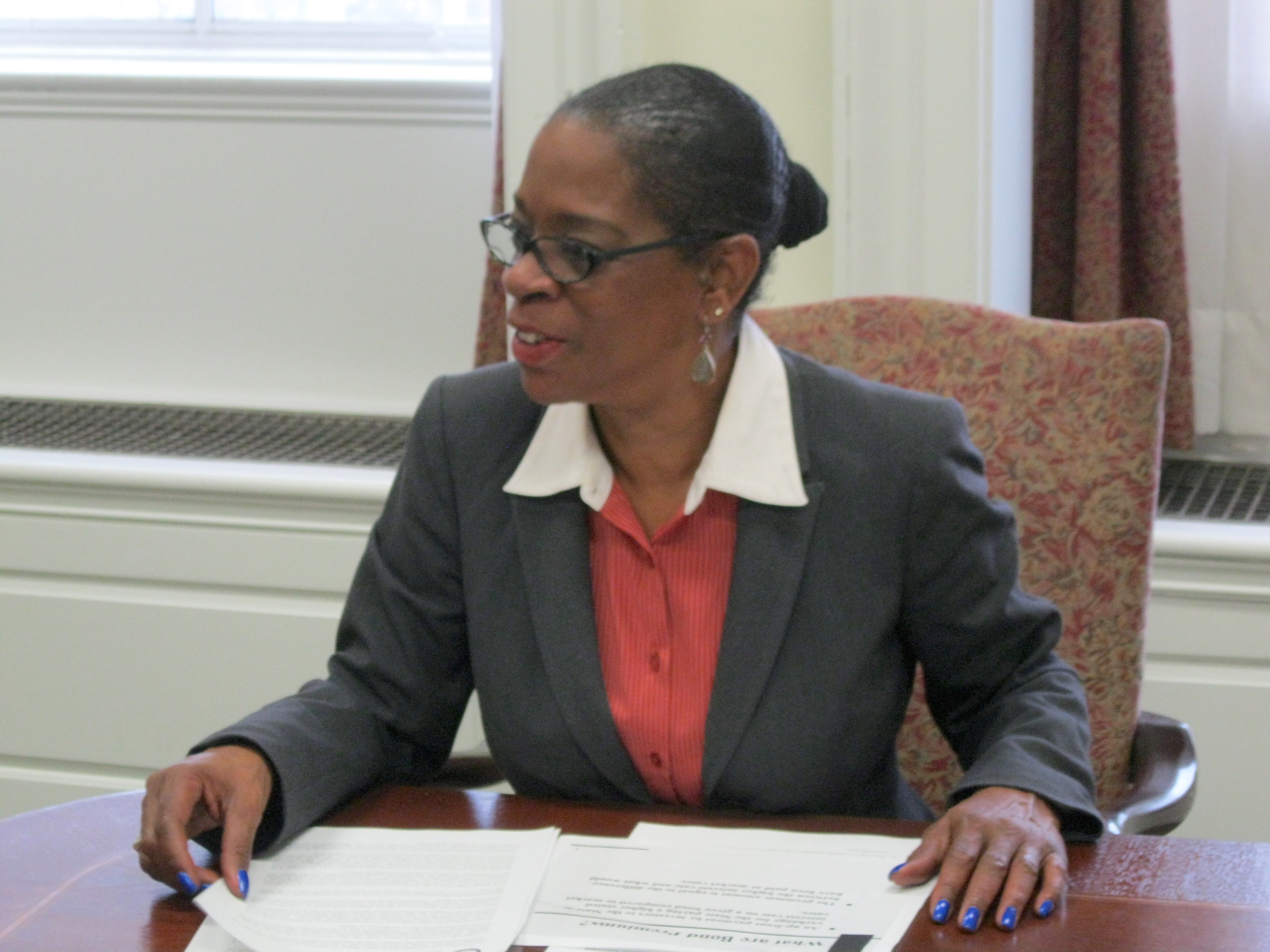
Nappier seeks middle ground with Malloy on bond premiums
State Treasurer Denise L. Nappier unveiled a compromise plan Monday to reform state bonding practices while also giving Gov. Dannel P. Malloy and the legislature some flexibility to use borrowed funds to balance the next two-year budget.

Posted inCT Viewpoints
Let’s not put Connecticut children on the medical marijuana bandwagon
We owe it to our children and youth to be careful not to jump on the “marijuana band wagon.” I urge the legislators of this state to exercise caution and prudence in moving forward with laws increasing our youth’s access to medical marijuana.
Posted inCT Viewpoints
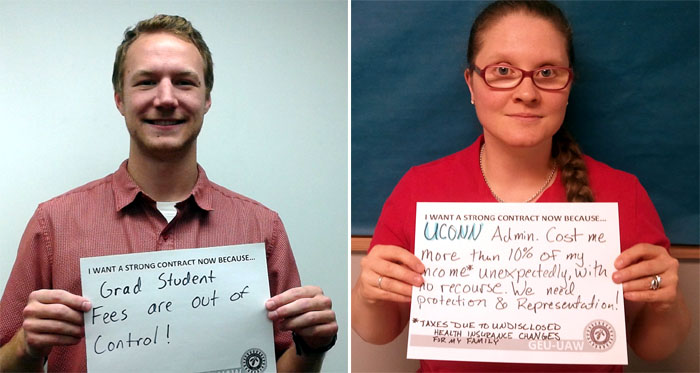
Frustrated UConn graduate assistants want fair contract, lower fees
If the University of Connecticut can afford to pay more in administration costs than almost any other university, surely it can afford to reduce graduate student fees to a level comparable with peer universities. Graduate students at UConn want a fair contract, including a fee reduction, so they can afford the local cost of living and continue to provide the university with the quality education and research we’ve all come to expect.
Posted inMoney
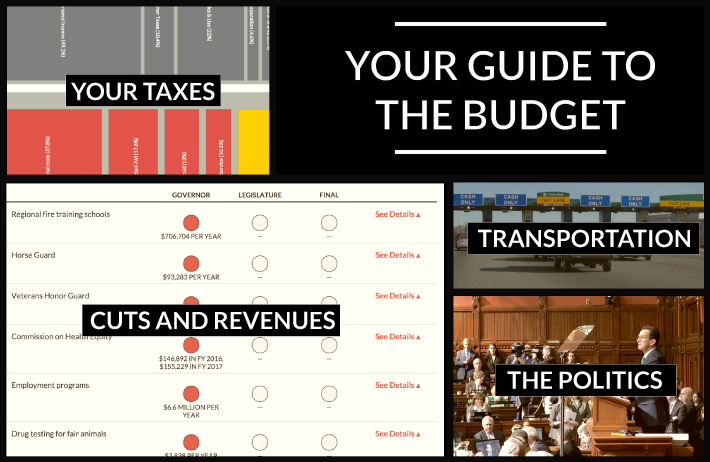
A guide to the budget: Where do your tax dollars go?
So what’s actually in the budget? Where do your tax dollars go? This guide will answer those questions for you.

Posted inPolitics
Obama administration moving new tribal recognition rules

WASHINGTON – The Obama administration is on the brink of making new federal tribal recognition rules – a move that could be a boon to several Connecticut tribes. Opponents, however, fearful of the ramifications of the new rules on casino operations and land claims, are making 11th-hour attempts to stop or slow the process.
Posted inPolitics
CT GOP lands Rubio to keynote Bush dinner in June
U.S. Sen. Marco Rubio of Florida, a recently declared candidate for the Republican nomination for president, will give Connecticut an early look at his campaign — at a dinner honoring the grandfather of a likely rival, Jeb Bush.
Posted inMoney
Jobless rate stays at 6.4% as Connecticut gains 4,000 jobs
Connecticut gained an estimated 4,000 non-farm jobs in March, with the jobless rate remaining unchanged at 6.4 percent, according to a report released Monday by the state Department of Labor.

Posted inMoney, Politics
Malloy’s fitful search for a ‘new normal’ on budgets
Gov. Dannel P. Malloy talks about his push for a “Second Chance Society” for ex-offenders and his intention to somehow coax the General Assembly into putting the state on a path to spend $100 billion on transportation over 30 years. But the reality of governing in the first months of his second term is less about big ideas than the prospect of a protracted and painful conversation with a restive General Assembly about what kind of government Connecticut can afford.
Posted inMoney, Politics
CT spending cap is unique and, some critics say, among the toughest
Like about half of the states in the nation, Connecticut has imposed a cap on the amount of money the state government can spend. But each state has approached the problem of controlling the spending habits of its governors and legislature differently, and Connecticut’s spending cap is unique in a number of ways.

Posted inCT Viewpoints
Protect Connecticut’s parks, not its politicians
As state legislators, my colleagues and I are charged with two basic tasks – forming sound public policy, and finding a way to pay for such policies in a responsible manner. Our continuing fiscal crisis, however, has once again caused good public policy to suffer at the expense of funding our government’s unsustainable spending habits.