



State utility regulators proposed the maximum penalty against Eversource for its failures after storm Isaias in August 2020.
PURA imposes maximum $30M fine on Eversource

Posted inEconomic Development
Tweed New Haven airport announces $70 million expansion

The $70 million privately funded expansion will include a new four-gate, 74,000 square-foot terminal and daily service from a new airline.

Posted inHealth, Investigations
Vaccine clinic shut down after surprise investigation

The state Department of Public Health suspended a Kent-based drug and alcohol rehabilitation center from holding vaccinations clinics in February after discovering a state representative was handling and preparing vials of vaccine at an unsanctioned clinic in Southbury.

Posted inHousing
How one bike ride inspired a case that could upend CT’s zoning laws

Woodbridge officials are weighing whether to allow multi-family housing after attorneys applied to convert a single-family home.

Posted inPolitics
Democrats, Republicans split on absentee ballot access

Once again, easing absentee ballot access is a wedge issue in Connecticut.

Posted inCT Viewpoints
Legacy costs are handicapping UConn and UConn Health Center
The state’s unfunded pension and healthcare liabilities being charged to UConn and UConn Health is a critical problem. These legacy costs, not created or controlled by UConn or UConn Health, will cost these state institutions a combined total of $283 million in the next three years.
Posted inCT Viewpoints
In a pandemic social workers offer municipalities answers to service needs

As COVID– 19 restrictions are lifted and residents begin to re-engage in their communities, a host of social service needs, especially mental health, will stretch municipal services. At this point in the pandemic, municipalities more than ever need professional social workers who, as essential workers, are trained to deliver the highest quality service.

Posted inCT Viewpoints
Bill 6532 addressing mental health and housing needs could be fine-tuned
The recent introduction of CT HB 6532 in February 2021: An Act Appropriating State Funds for Mental Health Services and Housing is greatly appreciated by nurses advocating for better mental services for patients. The bill will allot funds to address the expansion of residential services for young adults, hire additional housing coordinators, and expand respite services, along with other short-term stabilization of patients with mental health issues.

Posted inCT Viewpoints
Connecticut should accelerate energy storage deployment to benefit consumers and the environment
The Connecticut General Assembly is considering legislation – Senate Bill 952 – to ensure deployment of 1,000 megawatts of energy storage capacity by the end of 2030 – enough to power about 1 million homes.
To capture the benefits of energy storage and ensure Connecticut stays on track to meet its 2040 clean energy goals, we believe the pending bill should be modified to accelerate the deployment deadline and require all storage resources be competitively sourced.
Posted inPolitics
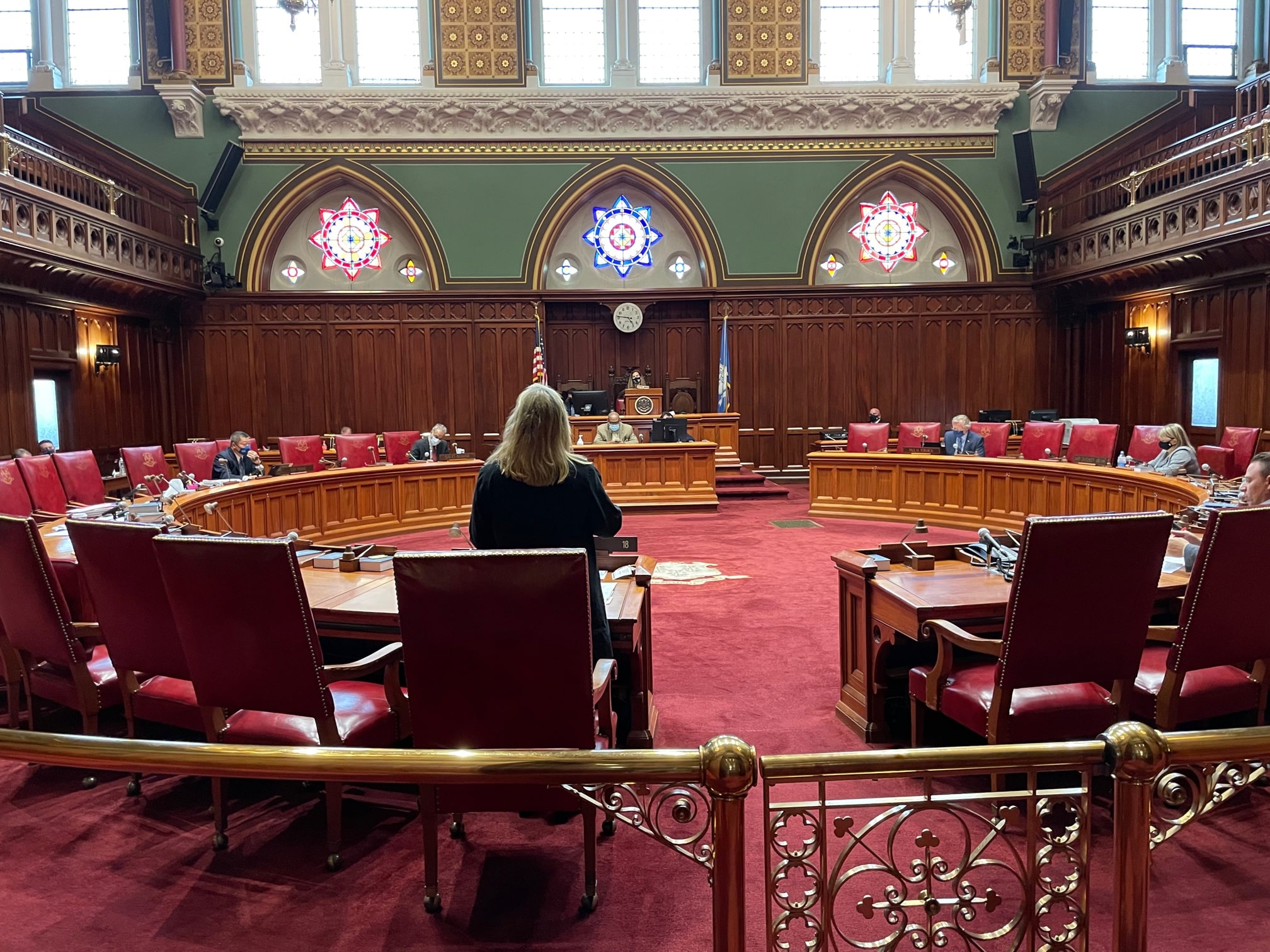
Senate advances bill banning deceptive advertising by faith-based pregnancy centers

The proposal gives the Attorney General’s Office the power to seek a court order to stop faith-based institutions from handing out misleading information about abortions and other women’s services.
Posted inPolitics
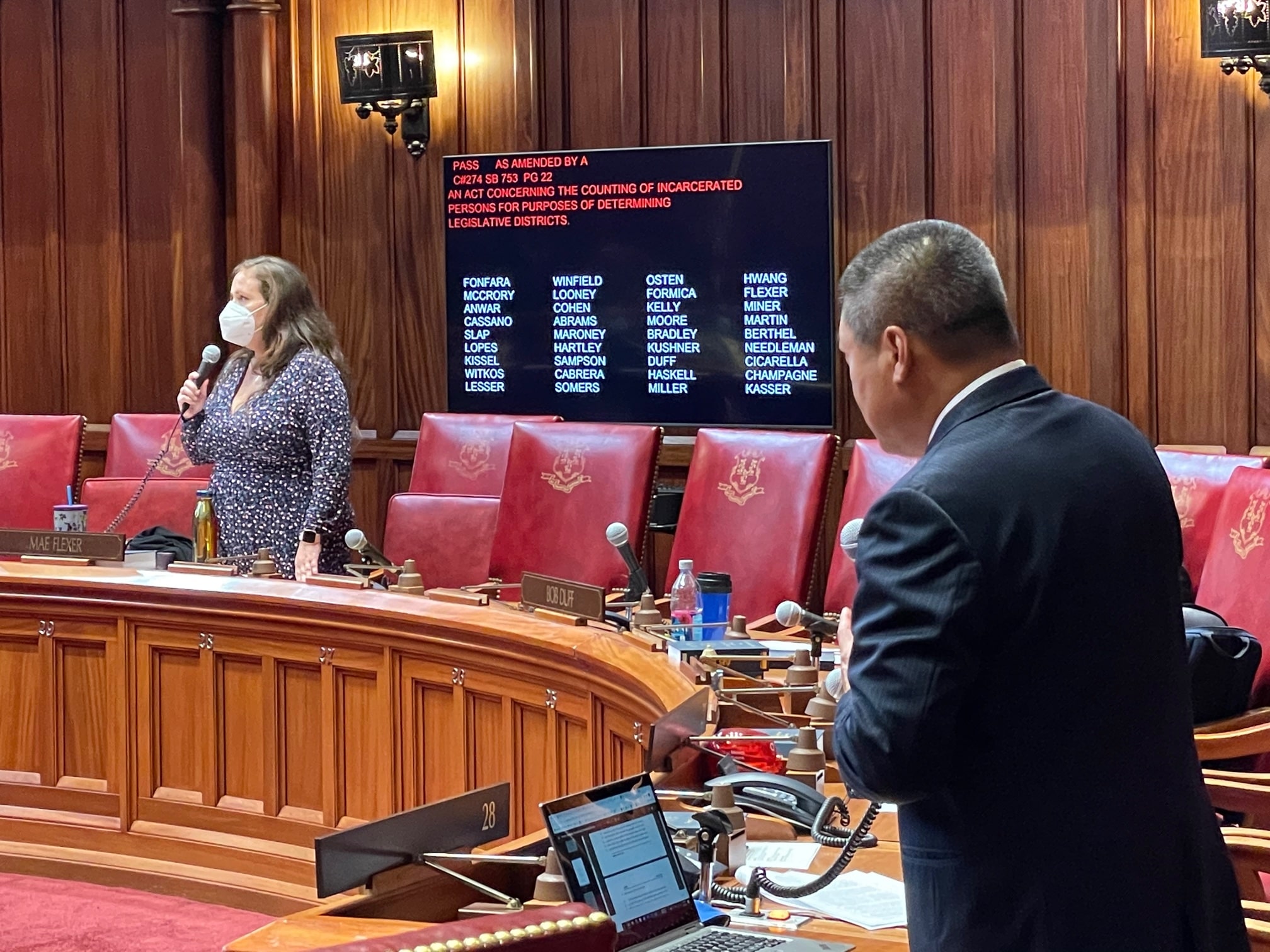
Senate votes to end prison gerrymandering

The bill passed nearly unanimously. The lone dissenting vote came from the lawmaker with the most prisons in his legislative district.

Posted inEducation
Fewer CT high school grads are taking remedial courses in state colleges

The number of CT high school grads in remedial courses at state colleges and universities dropped from 2010 to 2016.

Posted inCT Viewpoints
Hotel housing for homeless teaches an important lesson for future
Moving individuals into the hotels helped reduce the spread of the coronavirus among those experiencing homelessness, as hotel rooms provided space to distance from others. But, perhaps more importantly, this intervention provided access to privacy and stability that was previously out of reach for many new residents of the hotels, as well as important lessons to inform future housing policy and practice.

Posted inCT Viewpoints
HB 6671: Finally a step toward ending legal abuse in the juvenile justice system
The United States incarcerates young people at a rate higher than any other country with about 44,000 youths locked up behind bars. In Connecticut alone, 747 youths are detained awaiting trial, a majority of them minorities. Minors need their own lawyers in this system.

Posted inCT Viewpoints
It’s just not kindergarten without a garden
Now is the time for our state to invest in collaborative efforts that bring the education and agriculture sectors together for the benefit of our communities. Support is growing in the state legislature for the CT Grown for CT Kids Program. This bill would fund projects and programs that promote farm to school activities, potentially increasing the economic vitality of local farmers while improving the health and wellness of our children.