



My best friend from high school and I were both accepted to Ivy League schools. We declined. We both received substantial scholarships, so it wasn’t the money. But we felt more comfortable attending schools close to our rural Pennsylvania homes with both family and friends nearby. But more important, we did not feel that attending an Ivy League school would make any difference in our lives. And we were right. Both us did fine in our respective careers. But 45 years later, America has changed and getting into an elite school has become an obsession for America’s wealthy and upper middle class.
Cheating to enter elite schools is about social status

Posted inJustice
A tenant blacklist, compiled by algorithm

A federal judge in Connecticut is allowing a challenge of a practice on the cutting edge of housing discrimination: The outsourcing of tenant screening to companies that effectively blacklist rental applicants using computerized assessments of criminal records.

Posted inHealth
How a repeal of the Affordable Care Act could affect Connecticut

Lawmakers in Connecticut called the possibility of an ACA repeal “stunningly irresponsible” on Thursday.

Posted inPolitics
Lamont seeks help with tolls, other priorities, in D.C.

Tolls and transportation, alternative energy, and minority teacher recruitment were all on the governor’s plate during a visit this week to Washington.

Posted inPolitics
GOP defends plan to avoid tolls as Lamont administration calls for compromise

The gulf between Gov. Ned Lamont and GOP lawmakers on tolls grew even wider Thursday as Republicans called any long-term funding plan that includes the “toll monster” a non-starter.
Posted inNews
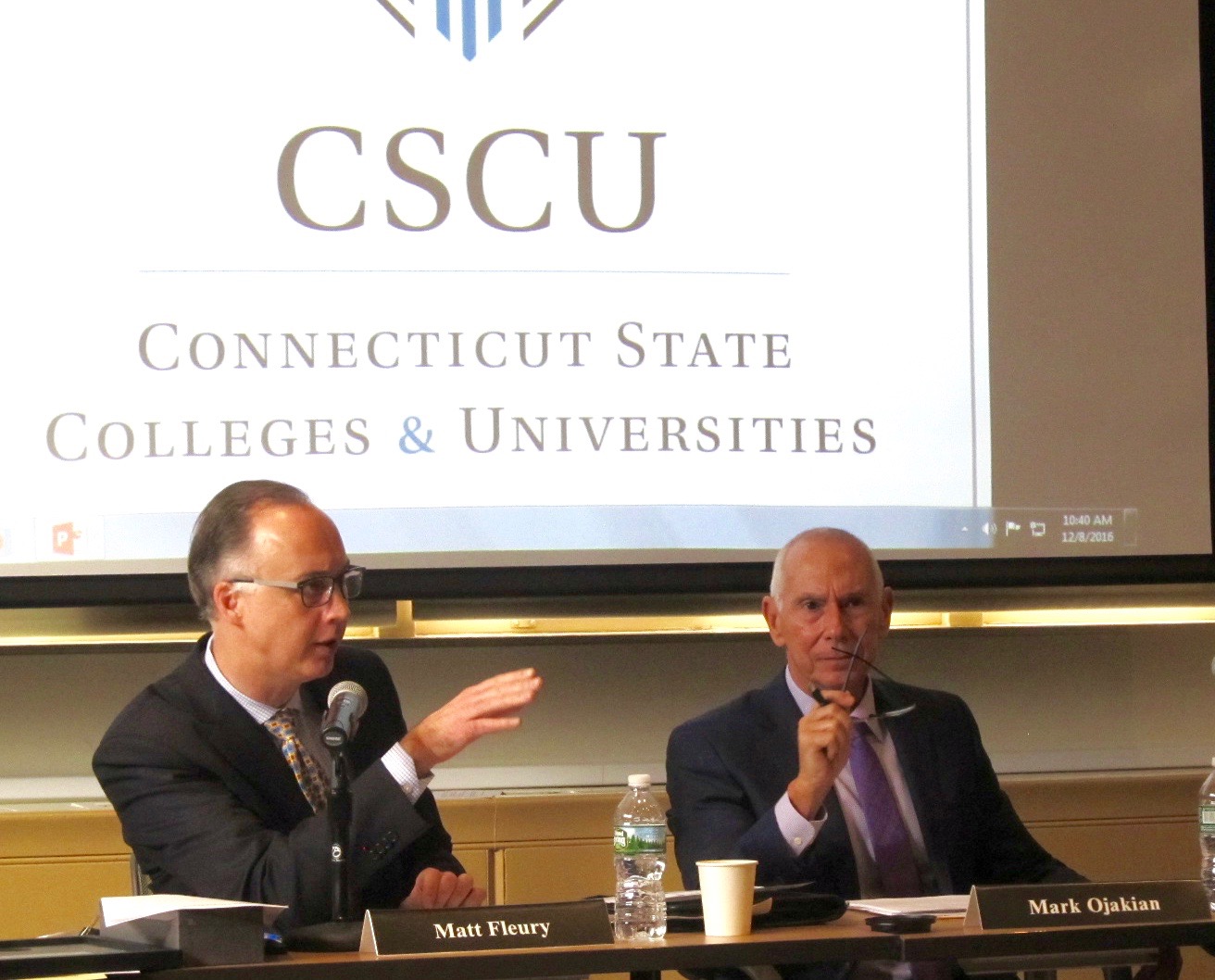
Regents raise tuition 5% at four regional universities

Even with the 5 percent increase in tuition, the state’s four universities face a $20 million shortfall.

Posted inEducation
Herbst, other UConn officials, racked up $214,000 of unused vacation time above policy limit
Herbst says she will forfeit the 54 days she accrued above the 60-day limit, but she is still eligible to receive $156,279 for the rest of the unused vacation time when she leaves state service.

Posted inCT Viewpoints
Connecticut needs aid-in-dying laws

This month, I joined my fellow Connecticut residents testifying in support of the state’s proposed medical aid-in-dying legislation now being considered by the General Assembly. The bill would allow terminally ill people with a prognosis of six months or less to live, the option to take medication to die peacefully in their sleep. My message to the committee was simple. This issue is about giving peoplethe ability to make decisions about how they will face the final days. Across the country, states are passing similar laws.

Posted inEconomic Development
A Time For Cities

For the next several months a remarkable partnership of media organizations will take a close look at Connecticut cities. We call it The Cities Project.
Posted inCT Viewpoints
Let the General Assembly decide on aid in dying
Last week, there was a public hearing about House Bill 5898 – An Act Concerning Medical Aid in Dying for Terminally Ill Patients. Now, the members of the Public Health Committee will decide whether this proposal will be allowed to be discussed and voted on by the entire General Assembly. Although legislation which would allow terminally ill patients the option to choose medical aid in dying has been proposed many times in the past 20 years, no bill has ever made it out of committee.

Posted inCT Viewpoints
Governor, special ed school children are not ‘costly burdens’
As part of his transition plan Gov. Ned Lamont, the Education Committee and the Planning & Development Committee have drafted numerous bills regarding regionalization of our schools. Although language has been updated to the Governor’s Bill 874 to remove the words “redistricting” and “consolidation” to “sharing” and “collaboration” the bill still imposes deadlines for data collection of all of our districts and does not specify whether the decisions of this Commission on Shared School Services will be subject to a vote by the legislature or will be written into law with no input from those who it will directly affect. All of this is a particular threat to those of us with children in special education.

Posted inPolitics
CT Latinos travel to D.C. as part of their political education
Graduates of the Latino Leadership Academy finish their political mentoring in the U.S. Capitol.
Posted inMoney
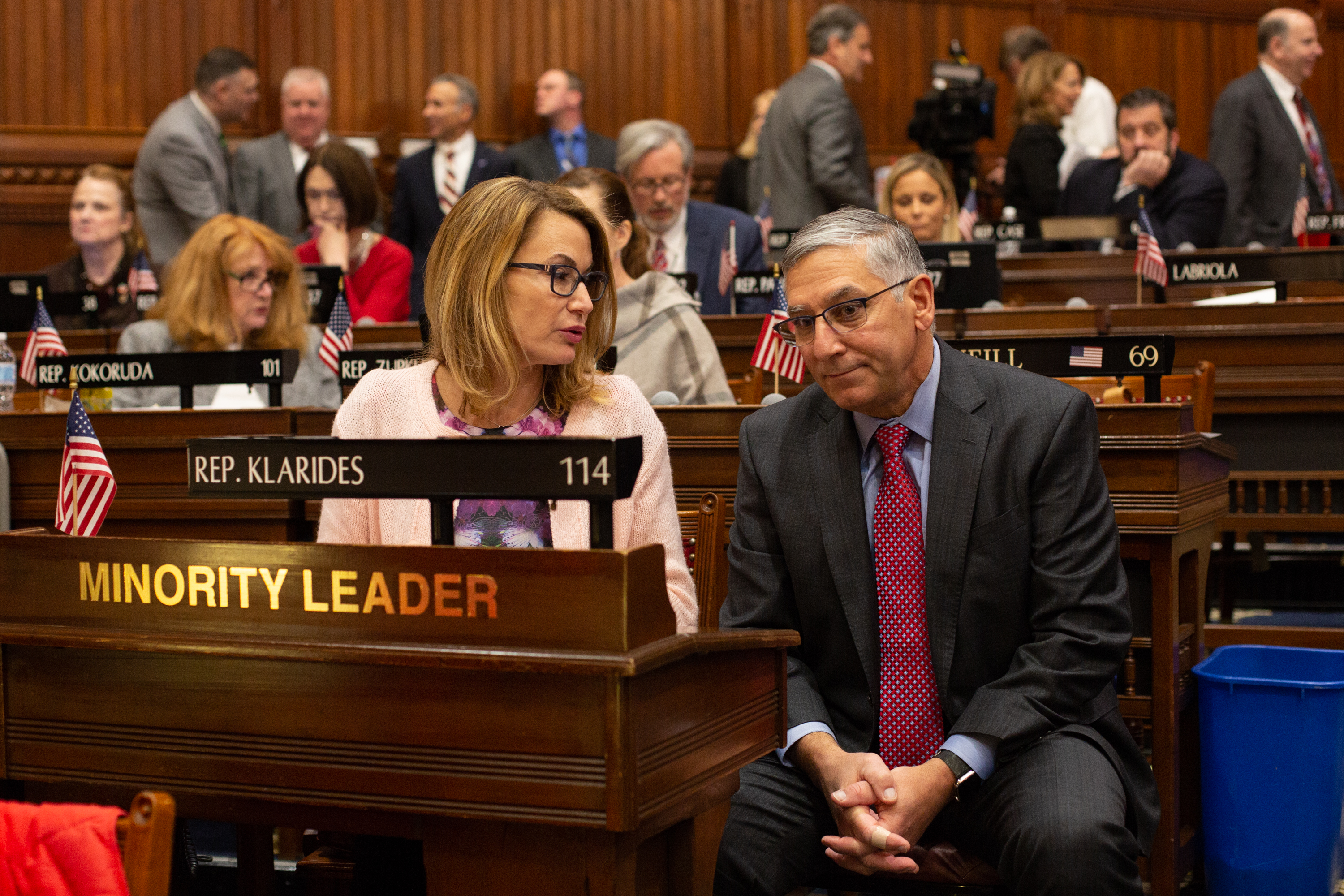
Legislature approves pay hikes for assistant AGs
The General Assembly approved arbitrated pay raises of 5.5 percent per year for a small bargaining units representing assistant attorneys general. The raises, approved largely by majority Democrats over Republican objections, sparked yet another debate whether Connecticut’s collective bargaining system is broken as the state struggles with one budget crisis after another.

Posted inPolitics
Senate confirms David Lehman at economic development
The Connecticut Senate voted overwhelmingly Wednesday to confirm the nomination of David Lehman as commissioner of economic and community development, ending nearly a two-month debate over Lehman history as a Goldman Sachs partner,

Posted inPolitics
Labor, business and the courtship of Ned Lamont
Lamont has sided with the rich on taxes and the working poor on the minimum wage. This has left his friends in progressive politics to wonder at times what values lay at his core.